Overview
In the heart of Weimar, Germany, lies the Historical Cemetery, a site that transcends mere burial grounds to reflect the city’s deep cultural and historical significance. Weimar, known as the epicenter of German classical literature and philosophy, is often associated with figures such as Goethe and Schiller, who not only shaped the literary landscape of their time but also left an indelible mark on the European cultural heritage. The Historical Cemetery serves as a poignant reminder of this legacy, housing the remains of many prominent intellectuals, artists, and political figures who contributed to the rich tapestry of German history.
The cemetery is not merely a resting place; it is a site of reflection, where visitors can engage with the lives and stories of those who have shaped the world through their work and ideas. Its tranquil atmosphere, marked by lush greenery and well-maintained pathways, invites visitors to stroll and contemplate the significance of the lives that once thrived in this vibrant city. As you explore the grounds, you will encounter a blend of artistic memorials and historical markers that tell the stories of the individuals buried here, offering a deeper understanding of Weimar’s cultural fabric.
For those looking to immerse themselves in the heritage of Weimar, a visit to the Historical Cemetery is an essential experience that promises not only a connection to the past but also an appreciation of the enduring impact of those who have come before us.
History and Significance
The Historical Cemetery in Weimar is steeped in cultural importance, reflecting the city’s role as a significant center of German thought and creativity. Weimar emerged as a focal point during the German Enlightenment and later became a hub for the Romantic movement. The cemetery is the final resting place for many influential figures who were integral to these movements, including poets, philosophers, and playwrights.
The site serves as a memorial not only to these illustrious individuals but also to the ideas and movements they represented. The presence of notable graves adds to the cemetery’s significance, allowing visitors to pay their respects to thinkers whose works have shaped modern philosophy, literature, and art. This includes luminaries such as Johann Wolfgang von Goethe and Friedrich Schiller, who are celebrated for their contributions to German literature and their influence on subsequent generations of writers and thinkers.
The cemetery is also a reflection of the historical context in which these figures lived. It has witnessed the evolution of Weimar from a small town to a cultural capital, particularly during the time of the Weimar Republic, a period of profound social and political change in Germany. The cemetery’s role in commemorating the lives of those who experienced these transformations underscores its importance as a historical site.
Visiting the Historical Cemetery allows one to engage with the legacy of these figures, providing insights into their lives and the broader historical narrative of Weimar. As you walk among the graves, you not only honor their memory but also connect with the essence of a city that has played a pivotal role in the cultural history of Germany and beyond.
Architecture and Features
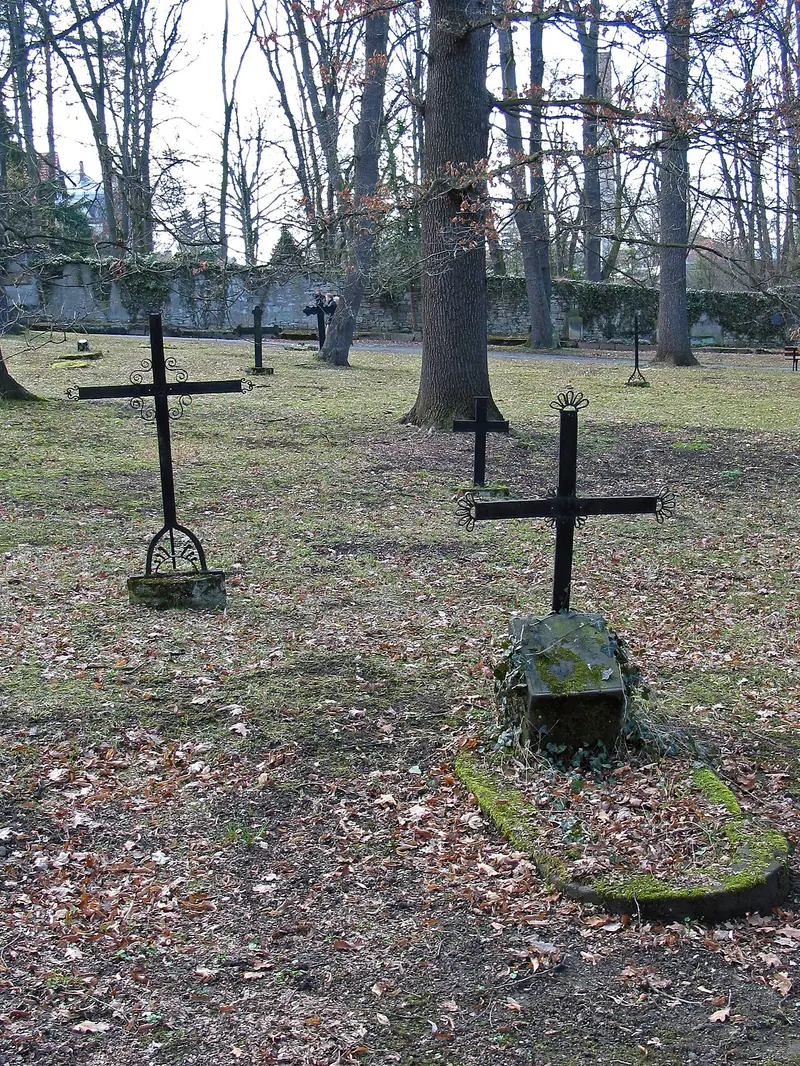
The Historical Cemetery is characterized by its serene landscape and thoughtfully designed memorials that reflect different artistic styles and periods. The layout of the cemetery is carefully organized, with winding pathways that invite contemplative exploration. As you stroll through the grounds, you will encounter a variety of gravestones and monuments, each with its unique design and story.
One of the notable architectural features of the cemetery is the diverse range of tombstones, which vary in style from simple, understated markers to elaborate sculptures and mausoleums. This variety showcases the artistic sensibilities of different eras and the personal tastes of those interred. The gravestones often bear intricate carvings, inscriptions, and symbols, providing a glimpse into the lives and beliefs of the individuals they commemorate.
The cemetery is also home to several memorials dedicated to particular groups or movements, reflecting the broader historical narratives that have shaped Weimar. These memorials serve as poignant reminders of the individuals who have made significant contributions to society, ensuring that their legacies endure even beyond their lifetimes.
The lush greenery surrounding the graves enhances the cemetery’s tranquil atmosphere, creating a peaceful environment that encourages reflection. Seasonal changes bring different colors and textures to the landscape, making each visit a unique experience. The combination of natural beauty and historical significance makes the Historical Cemetery a compelling place to explore the intersection of art, culture, and memory.
Visiting Information
Visiting the Historical Cemetery in Weimar offers a chance to connect with the city’s rich heritage. To make the most of your visit, consider the following information:
Accessing the cemetery is convenient, with various transport options available. Public transportation services in Weimar can get you close to the cemetery, and walking is an enjoyable way to experience the city. The cemetery itself is designed for easy navigation, making it accessible for all visitors.
Check the official website for current information on hours and prices, as these can vary depending on the season or special events. While the cemetery is generally open to the public, specific guidelines may apply at different times of the year.
Visitors typically spend around one to two hours exploring the cemetery, allowing ample time to appreciate the memorials and reflect on the lives of those interred. The best times to visit are during the spring and autumn months when the weather is mild and the surrounding landscape is particularly beautiful.
As you explore the site, expect a peaceful atmosphere, perfect for contemplation and appreciation of the historical significance that the cemetery holds. Whether you are a history enthusiast, a literature lover, or simply seeking a serene environment, the Historical Cemetery offers an enriching experience.
Nearby Attractions
While visiting the Historical Cemetery, consider exploring some of the nearby attractions that showcase Weimar’s cultural heritage:
Goethe National Museum: Located just a short distance from the cemetery, this museum is dedicated to the life and works of Johann Wolfgang von Goethe. It offers insights into his literary contributions and the era in which he lived.
Schiller Museum: Another important figure in German literature, Friedrich Schiller, has a museum dedicated to his life and works, providing visitors with a deeper understanding of his influence on German culture.
Bauhaus Museum: Weimar is known as the birthplace of the Bauhaus movement, and this museum highlights the innovative design and architecture that emerged from this influential school.
Weimar Palace: This historic palace features beautiful gardens and offers a glimpse into the opulent lifestyle of the nobility in Weimar’s past.
Park an der Ilm: A picturesque park that provides a lovely setting for a leisurely stroll, this park is also home to several historic structures and is a wonderful place to relax after visiting the cemetery.
Insider Tips
To enhance your experience at the Historical Cemetery, consider these insider tips:
Photography: Capture the beauty of the cemetery and its memorials, but be respectful of the solemn atmosphere. Early morning or late afternoon light can provide excellent conditions for photography.
Crowd Avoidance: To enjoy a quieter experience, visit during weekdays or early in the morning. This allows for a more contemplative atmosphere without the distractions of larger crowds.
Guided Exploration: If available, consider joining a guided tour to gain deeper insights into the lives of those buried at the cemetery and the historical context of the site.
Practical Information
When planning your visit to the Historical Cemetery, keep the following practical considerations in mind:
What to Bring: Comfortable walking shoes are recommended, as you will be exploring the grounds extensively. A camera can help capture the site’s beauty, and a notebook might be useful if you wish to jot down thoughts or reflections.
Seasonal Considerations: The best times to visit are during the spring and autumn months when the weather is typically mild. Winters can be cold, and summer may bring larger crowds, so plan accordingly.
Respectful Attire: As a cemetery is a place of remembrance, dressing modestly is advised to honor the solemnity of the site.
Frequently Asked Questions
How long should I spend visiting?
Most visitors typically spend between one to two hours exploring the cemetery, allowing enough time to appreciate the memorials and reflect on the lives of those interred.
Is photography allowed?
Photography is generally permitted, but be mindful of the atmosphere and the privacy of other visitors. Early morning or late afternoon light can help capture the beauty of the site.
Are there guided tours?
Check the official website for information on any guided tours that may be available, as these can provide deeper insights into the history and significance of the cemetery.
What’s the best time to visit?
The best times to visit are during the spring and autumn when the weather is mild and the surroundings are particularly beautiful.
Is it wheelchair accessible?
The cemetery is designed for easy navigation, but specific accessibility features may vary. It is advisable to check the official website for detailed information regarding wheelchair access.
Can I buy tickets online?
Check the official website for current information on ticketing options, as this may vary.
Are there restrooms and cafes?
Facilities such as restrooms and cafes may not be available on-site. Plan accordingly by checking local amenities nearby.
What should I wear?
Dress modestly and comfortably, keeping in mind that you will be walking and exploring the cemetery.
In summary, the Historical Cemetery in Weimar provides a unique opportunity to connect with the past and reflect on the lives of remarkable figures who have influenced culture and thought. A visit here is an enriching experience that deepens your understanding of Weimar’s historical and cultural significance.



