Overview
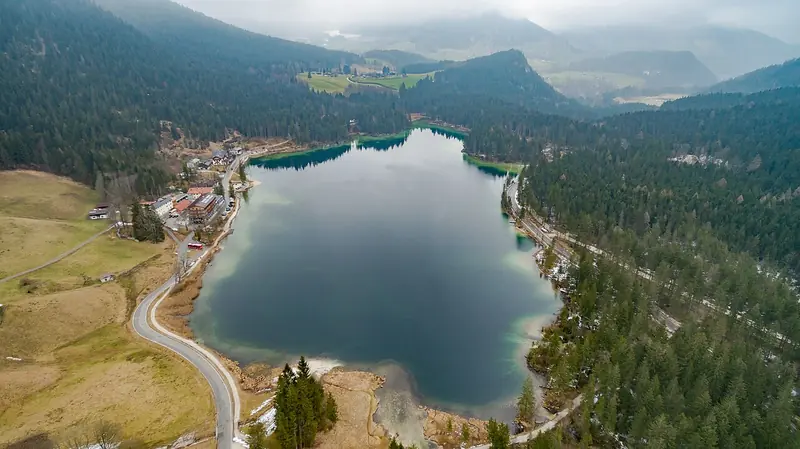
Hintersee, located in the picturesque region of Bavaria, Germany, is a stunning lake that captures the essence of natural beauty. This serene body of water is part of the Ramsauer Ache, a river known for its enchanting surroundings and clear waters. Visitors to Hintersee are greeted by a tranquil atmosphere, perfect for relaxation or outdoor activities. The lake’s setting amidst the Bavarian Alps adds to its allure, making it a popular destination for nature enthusiasts and photographers alike.
The significance of Hintersee goes beyond its stunning visuals; it is a vital ecological area that supports diverse flora and fauna. The lake serves as an important habitat for various species, contributing to the region’s biodiversity. Whether you are seeking adventure on the water, a peaceful day of hiking, or simply a spot to unwind surrounded by nature, Hintersee promises an experience that resonates with the natural landscape of Bavaria.
History and Significance
While specific historical details about Hintersee are limited, the area surrounding the lake has been shaped by centuries of human interaction with nature. The cultural significance of lakes like Hintersee in Bavaria cannot be understated; they have been a source of inspiration for artists, poets, and locals alike. The natural beauty of the region has played a role in the cultural identity of the Bavarian people, fostering a deep appreciation for the environment.
The Ramsauer Ache, which flows into Hintersee, has historically served as a vital waterway for the surrounding communities. The lake and river system has been integral for recreation, fishing, and as a natural resource. The area also attracts visitors who are interested in the rich traditions of Bavarian culture, making Hintersee a site of both natural and cultural importance.
In addition, the lake is part of the broader landscape that includes hiking trails, which have been used for generations. These paths not only provide access to the lake but also connect visitors with the rich tapestry of wildlife and plant life that flourishes in the region. The harmonious coexistence of nature and human activity at Hintersee highlights the importance of conservation and environmental stewardship in preserving such natural sites for future generations.
Architecture and Features
Hintersee is primarily known for its natural features rather than any man-made architecture. The lake itself is characterized by its crystal-clear waters, which reflect the surrounding mountains, creating a stunning visual effect. The shoreline is lined with lush greenery, offering a habitat for various birds and wildlife. The area around the lake is accessible through well-maintained trails, making it easy for visitors to explore the scenic surroundings.
One of the notable features of Hintersee is the unique formations of trees that rise from the water’s edge. These trees, often silhouetted against the backdrop of the mountains, provide fantastic opportunities for photography, especially during sunrise and sunset when the lighting transforms the landscape. The lake’s tranquil surface often serves as a mirror, enhancing the beauty of the reflections of the surrounding peaks.
Additionally, the Ramsauer Ache, which feeds into Hintersee, adds to the dynamic environment. The river’s gentle flow creates a serene ambiance that invites visitors to pause and appreciate the sounds of nature. Overall, the natural architecture of Hintersee is a harmonious blend of water, earth, and sky, providing a peaceful retreat for those who seek to connect with the outdoors.
Visiting Information
Hintersee is accessible by various means of transportation, making it a convenient destination for travelers. The nearest major towns are Ramsau bei Berchtesgaden and Berchtesgaden, both of which offer public transport options. Visitors can reach the lake via local buses or by car, with parking available nearby. It is advisable to check the official website for current information on transport options and any seasonal considerations.
When planning a visit, expect to spend several hours exploring the area. The lake is perfect for leisurely strolls along the shore, hiking along the trails, or even picnicking with family and friends. The trails around the lake vary in difficulty, catering to both casual walkers and more experienced hikers.
The best times to visit Hintersee are during the spring and early autumn months when the weather is mild, and the surrounding flora is vibrant. However, each season offers its own unique charm, from the lush greenery of summer to the tranquil snowscapes in winter. It’s advisable to check the official website for hours and any potential admission fees that may apply.
Nearby Attractions
When visiting Hintersee, there are several nearby attractions that can enhance your experience:
- Ramsau bei Berchtesgaden: A quaint village that serves as a gateway to the Berchtesgaden National Park, known for its stunning landscapes and hiking opportunities.
- Berchtesgaden National Park: A vast natural reserve that offers a variety of outdoor activities, including hiking, climbing, and wildlife watching.
- Kehlsteinhaus (Eagle’s Nest): A historical mountaintop retreat that offers panoramic views and insight into World War II history.
- Watzmann Mountain: One of the most iconic peaks in Bavaria, popular among climbers and hikers for its challenging trails and dramatic scenery.
- Salzbergwerk Berchtesgaden: An underground salt mine that provides guided tours, showcasing the historical significance of salt mining in the region.
Insider Tips
For those looking to capture the essence of Hintersee through photography, early mornings or late afternoons provide the best lighting conditions. The calm waters during these times create stunning reflections of the surrounding mountains and trees. Additionally, consider visiting on weekdays or during off-peak seasons to avoid the larger crowds that typically gather during weekends and holidays.
If you wish to explore the hiking trails around the lake, wear comfortable shoes and bring a backpack with water and snacks. This will allow you to fully enjoy your time in nature without needing to return to the car frequently.
Practical Information
When planning your visit to Hintersee, it’s wise to bring essentials such as water, snacks, and sunscreen, especially during the warmer months. A camera or smartphone is also recommended to capture the scenic beauty of the lake and its surroundings.
Seasonal considerations are important; in winter, ensure you have appropriate clothing for colder temperatures, and in summer, be prepared for warmer weather. The area can also experience sudden weather changes, so layering your clothing is advisable.
The lake’s natural setting makes it a great spot for a picnic, so consider bringing a blanket to relax by the water’s edge. Additionally, be mindful of the environment and follow any guidelines regarding waste disposal to help preserve the beauty of Hintersee.
Frequently Asked Questions
How long should I spend visiting?
A visit to Hintersee typically takes several hours, allowing time for walking, relaxing, and enjoying the scenery. If you plan to hike the surrounding trails, consider dedicating an entire day.
Is photography allowed?
Yes, photography is encouraged at Hintersee, and the landscape offers numerous opportunities for capturing stunning images, especially at sunrise and sunset.
Are there guided tours?
While there may not be specific guided tours of Hintersee, local tour companies in the nearby towns may offer excursions that include the lake as part of a larger itinerary.
What’s the best time to visit?
The best times to visit Hintersee are during the spring and early autumn months for mild weather and beautiful scenery, though each season has its charm.
Is it wheelchair accessible?
Certain areas around the lake may be accessible, but it is advisable to check specific access points and trails before your visit.
Can I buy tickets online?
Check the official website for current information regarding any admission fees or ticket purchasing options.
Are there restrooms and cafes?
Facilities may be limited, so it’s a good idea to check for available amenities before your visit. Nearby towns may offer more comprehensive facilities.
What should I wear?
Wear comfortable clothing and sturdy shoes suitable for walking or hiking. Layering is recommended to accommodate potential changes in weather.



