Overview
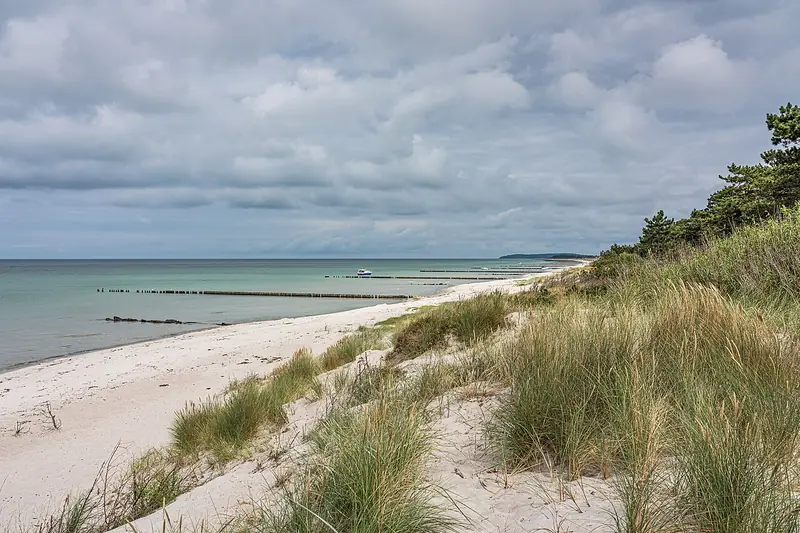
Hiddensee is an unspoiled island in the Baltic Sea, offering a serene escape into nature away from the bustling mainland of Germany. Located off the western coast of the island of Rügen, Hiddensee is a nature lover’s paradise, characterized by its sandy beaches, coastal cliffs, and lush greenery. The island spans approximately 16 square kilometers and is primarily car-free, which contributes to its tranquil atmosphere. Visitors can explore its charming villages, rich flora and fauna, and stunning coastlines, making it a significant destination for those looking to reconnect with nature.
As a natural site, Hiddensee is not only a retreat for relaxation but also a location of cultural importance. It has attracted artists, writers, and nature enthusiasts for generations, fostering a sense of community that values preservation and environmental awareness. The island’s relative isolation has helped maintain its pristine landscapes and traditional architecture, allowing visitors to experience a slice of Germany that feels timeless.
For travelers seeking an authentic experience, Hiddensee promises a unique blend of natural beauty and cultural depth. The island’s commitment to sustainability and preservation ensures that its idyllic landscapes will endure, offering a peaceful haven for generations to come.
History and Significance
Hiddensee’s history is intertwined with the broader narratives of the Baltic region and has evolved through centuries of human occupation. The island has served various roles throughout its existence, from a strategic maritime waypoint to a tranquil retreat for artists and thinkers. While specific historical dates may be elusive, the island has long been recognized for its unique cultural landscape.
In the late 19th and early 20th centuries, Hiddensee became a popular destination for intellectuals, artists, and writers, drawn by its enchanting scenery and the inspiration it provided. Figures like the poet and playwright Gerhart Hauptmann found solace here, contributing to the island’s reputation as a haven for creativity. This artistic legacy continues to influence the island’s atmosphere today, as Hiddensee remains a sanctuary for those seeking inspiration from nature.
The island has also played a role in maritime history, with its coastal geography making it an important marker for sailors navigating the Baltic Sea. The local communities have traditionally relied on fishing and agriculture, with many of the island’s customs and practices rooted in this relationship with the land and sea.
As a natural site, Hiddensee has been recognized for its ecological significance, serving as a habitat for various species of flora and fauna. Conservation efforts are ongoing to preserve its unique ecosystems, which are threatened by environmental changes. The island’s commitment to sustainability reflects a broader awareness of the need to protect nature while allowing for public enjoyment and interaction.
Architecture and Features
Hiddensee’s architectural features reflect its cultural heritage and natural environment. The island is characterized by traditional thatched-roof houses, many of which are painted in pastel colors. These structures embody a rustic charm that complements the island’s coastal landscape. The simplicity of the architecture resonates with the island’s ethos of sustainability and community.
The village of Vitte, one of the main settlements on Hiddensee, is particularly notable for its quaint streets lined with these charming homes. Visitors can stroll through the village, taking in the unique architectural styles that have been preserved over the years. The island’s buildings often incorporate local materials, blending seamlessly into the surrounding landscape.
In addition to its residential architecture, Hiddensee features natural landscapes that are just as striking. The island is home to sandy beaches, coastal dunes, and verdant meadows, all of which contribute to its scenic beauty. The coastline offers opportunities for hiking and exploring, with trails that wind through the diverse ecosystems. Visitors can observe a variety of plant and animal species, making the island an important site for nature enthusiasts.
While there may not be monumental structures or grandiose buildings, Hiddensee’s charm lies in its harmonious integration of human habitation with the natural world. The simplicity of its architecture and the beauty of its landscapes create an inviting atmosphere for all who visit.
Visiting Information
Reaching Hiddensee is an adventure in itself, as the island is accessible only by boat. Ferries operate regularly from the mainland, particularly from the nearby island of Rügen, providing a scenic journey across the waters of the Baltic Sea. The absence of cars on the island enhances its tranquil ambiance, allowing visitors to explore on foot or by bicycle.
Once on Hiddensee, visitors can expect a laid-back atmosphere where time seems to slow down. The island is ideal for leisurely walks along the beach, cycling through its picturesque paths, or simply enjoying the natural surroundings. The best way to experience Hiddensee is to take your time, absorbing the sights and sounds of this peaceful environment.
To fully appreciate what Hiddensee has to offer, consider spending at least a day on the island. This allows enough time to explore the main villages, enjoy the beaches, and take in the natural beauty. If you have the opportunity to stay overnight, you’ll find that the island takes on a different charm after the day-trippers leave.
For current information regarding ferry schedules, accommodation options, and local amenities, check the official website. This will help you plan your visit effectively and ensure you make the most of your experience on this serene island.
Nearby Attractions
While Hiddensee itself is a captivating destination, several nearby attractions enrich the overall experience:
Rügen Island: Just a short ferry ride away, Rügen is Germany’s largest island and offers stunning cliffs, diverse landscapes, and cultural sites, including the famous chalk cliffs of Jasmund National Park.
Cape Arkona: Located on Rügen, this picturesque cape features two lighthouses and offers panoramic views of the Baltic Sea, along with historical sites and walking trails.
Jasmund National Park: Known for its dramatic chalk cliffs and ancient beech forests, this UNESCO World Heritage site is a must-visit for nature enthusiasts, providing opportunities for hiking and birdwatching.
Putbus: A charming town on Rügen known for its classical architecture and beautiful gardens, Putbus is an excellent place to explore before or after your visit to Hiddensee.
Binz: A popular seaside resort town on Rügen, Binz is famous for its beautiful beach promenade, spa facilities, and lively atmosphere, making it a great stop for those seeking relaxation and leisure.
Insider Tips
To capture the best of Hiddensee in photographs, consider visiting during the golden hours of early morning or late afternoon when the light casts a warm glow over the landscape. The island’s natural beauty shines during these times, providing perfect conditions for stunning images.
To avoid crowds, plan your visit during the weekdays, particularly outside of the peak summer months. Early spring or late autumn can offer a quieter experience, allowing you to fully immerse yourself in the island’s tranquility.
Engaging with local residents can also enhance your experience. Many islanders are eager to share their stories and insights about Hiddensee, enriching your understanding of the community and its traditions.
Practical Information
When planning your visit to Hiddensee, consider bringing essentials such as comfortable walking shoes, sunscreen, and a reusable water bottle. The island’s natural terrain is best explored on foot or by bicycle, so prepare for a variety of outdoor activities.
Seasonal considerations are important as well. Summer months are the warmest and most popular, but spring and autumn can offer pleasant weather with fewer tourists. Be sure to check the weather forecast before your visit, as conditions can change rapidly in coastal areas.
Lastly, pack layers, as temperatures can vary throughout the day and evening. Whether you’re enjoying a sunny beach day or taking a stroll through the island’s woodlands, being prepared will enhance your overall experience.
Frequently Asked Questions
How long should I spend visiting?
A day is sufficient to explore the main attractions, but an overnight stay allows for a more relaxed experience.
Is photography allowed?
Yes, photography is welcomed throughout the island. However, be respectful of local residents and their privacy.
Are there guided tours?
While guided tours may not be prevalent, local information centers can provide maps and suggestions for self-guided exploration.
What’s the best time to visit?
Late spring and early autumn offer mild weather and fewer crowds, making them ideal times to visit.
Is it wheelchair accessible?
Due to the natural terrain and traditional architecture, some areas may pose challenges for wheelchair users. Check specific locations for accessibility details.
Can I buy tickets online?
Ferry tickets can typically be purchased online. For other attractions, check the official website for current information.
Are there restrooms and cafes?
Public restrooms and cafes are available in the main villages. It’s advisable to plan ahead, especially in less populated areas.
What should I wear?
Dress comfortably for outdoor activities. Layering is recommended to accommodate changing weather conditions.
Hiddensee is a captivating island that offers a unique blend of natural beauty and cultural heritage. Whether you are seeking adventure, relaxation, or inspiration, this serene destination is sure to leave a lasting impression.



