
Heinrich-Schliemann-Museum
Overview
The Heinrich-Schliemann-Museum, located in the quaint village of Ankershagen, Germany, serves as a poignant reminder of one man’s ambition to uncover the ancient world. Dedicated to the life and work of Heinrich Schliemann, a pioneering archaeologist best known for his excavations at Troy, this museum captures both the spirit of exploration and the rich heritage of archaeological discovery. Schliemann’s story is one of passion, perseverance, and an unyielding quest for knowledge, making the museum an essential stop for those interested in history, archaeology, and the fascinating intersection of legend and reality.
Ankershagen itself is a picturesque location, offering visitors a serene backdrop that complements the museum’s focus on archaeological endeavors. With its historical significance and well-curated exhibitions, the Heinrich-Schliemann-Museum not only celebrates Schliemann’s contributions but also invites visitors to delve into the broader narrative of human history. Whether you’re an avid history buff or simply curious about the past, this museum promises an enriching experience that highlights the importance of archaeological pursuits.
History and Significance
Heinrich Schliemann (1822-1890) is often regarded as the father of modern archaeology, and his relentless pursuit of the sites described in ancient texts revolutionized the field. His most notable achievement was the excavation of the site believed to be ancient Troy, which he identified through references in Homer’s “Iliad.” Schliemann’s work not only brought to light artifacts and structures that provided insights into ancient civilizations but also ignited public interest in archaeology and the study of ancient texts.
The museum itself occupies a significant place in Ankershagen, where Schliemann spent part of his childhood. It serves as both a memorial to his legacy and an educational platform, showcasing the artifacts and documents associated with his life. The exhibits include photographs, personal belongings, and replicas of significant finds, allowing visitors to gain insight into Schliemann’s methodologies and the impact of his discoveries on the understanding of ancient cultures.
Moreover, the museum emphasizes the cultural importance of archaeology as a discipline that bridges the past and present. Schliemann’s passion for uncovering the truth behind myths has inspired generations of archaeologists and historians, making his story relevant not only for its historical context but also for the lessons it imparts about curiosity, dedication, and the pursuit of knowledge.
Architecture and Features
The Heinrich-Schliemann-Museum is housed in a building that reflects the traditional architecture of the region, blending seamlessly with the surrounding landscape. While specific architectural details are not provided, the museum’s design is likely to complement its historical narrative, offering a welcoming environment for exploration and learning.
Inside, visitors will find a thoughtfully organized exhibition space that showcases a variety of artifacts connected to Schliemann’s life and work. The displays are designed to engage guests, featuring informative panels and multimedia presentations that enhance the learning experience. Key features may include replicas of items unearthed during his excavations, personal artifacts that belonged to Schliemann, and visual documentation of his archaeological practices.
The museum is a space not only for education but also for reflection on the broader implications of archaeological work. As visitors move through the exhibits, they are encouraged to contemplate the stories behind the artifacts and the lessons they hold about humanity’s collective past.
Visiting Information
Visiting the Heinrich-Schliemann-Museum provides an opportunity to engage with history in a meaningful way. To reach the museum, various modes of transport are available, though specifics on public transportation and parking options may vary. It is advisable to check the official website for current information on visiting hours and ticket prices, as these can change.
Upon arriving, expect a thoughtfully arranged space that invites exploration. The museum can typically be enjoyed in about one to two hours, allowing ample time to absorb the exhibits and reflect on Schliemann’s significant contributions.
While the museum is open year-round, certain seasons may offer a more pleasant experience, particularly during spring and summer when the surrounding landscape is vibrant. Be sure to check for any special exhibitions or events that may coincide with your visit.
Nearby Attractions
After exploring the Heinrich-Schliemann-Museum, visitors may want to extend their experience by visiting nearby attractions. Here are a few suggestions:
Schliemann’s Childhood Home: A short distance from the museum, this historical site provides insight into the early life of Heinrich Schliemann and his formative experiences that fueled his passion for archaeology.
The Archaeological Park of Troy: Though not immediately adjacent, this renowned site offers a more comprehensive understanding of Schliemann’s work and the significance of Troy in ancient history.
Local Churches and Chapels: Ankershagen is home to several historical religious sites that reflect the region’s architectural heritage and provide a glimpse into local traditions.
Natural Parks: The surrounding area may offer parks and nature reserves that allow visitors to enjoy the scenic beauty of the region, ideal for a leisurely stroll or picnic after a museum visit.
Cultural Events: Depending on the time of year, Ankershagen may host local festivals or cultural events that celebrate the community’s heritage and traditions.
Insider Tips
To enhance your visit to the Heinrich-Schliemann-Museum, consider the following tips:
Photography: While photography may be allowed in certain areas, it’s best to check for specific guidelines upon entry to respect the museum’s policies.
Timing Your Visit: To avoid larger crowds, try visiting during weekdays or in the early morning. This will allow for a more intimate experience as you explore the exhibits at your own pace.
Engage with Staff: Don’t hesitate to ask museum staff questions; they can provide valuable insights and additional context about the exhibits and Schliemann’s life.
Practical Information
When planning your visit to the Heinrich-Schliemann-Museum, keep the following practical considerations in mind:
What to Bring: Comfortable clothing and shoes are recommended, as you may spend time walking and standing. A notebook or device for taking notes can also be beneficial if you’re interested in documenting your experience.
Seasonal Considerations: Be mindful of the weather conditions, as they may affect your travel plans. If visiting during colder months, dress appropriately to ensure comfort while exploring both the museum and surrounding areas.
Food and Drink: While specifics about on-site dining options are not provided, consider bringing your own snacks or planning to visit local cafés for refreshments post-visit.
Frequently Asked Questions
How long should I spend visiting?
A visit to the Heinrich-Schliemann-Museum typically takes about one to two hours, allowing ample time to explore the exhibits.
Is photography allowed?
Photography policies may vary, so it is best to confirm with museum staff upon arrival to ensure compliance.
Are there guided tours?
Check the official website for information on guided tours, which may be available to enhance your understanding of the exhibits.
What’s the best time to visit?
To avoid crowds, consider visiting during weekdays or early mornings, particularly in the spring and summer months when the weather is more pleasant.
Is it wheelchair accessible?
For details on accessibility, check the official website or contact the museum directly to ensure your visit meets your needs.
Can I buy tickets online?
Check the official website for current ticketing options, including the possibility of purchasing tickets online to streamline your entry.
Are there restrooms and cafes?
Inquire about restroom facilities and nearby food options upon arrival to plan accordingly during your visit.
What should I wear?
Dress comfortably and consider the weather, as you may spend time both indoors and outdoors while exploring the museum and its surroundings.
More in Brandenburg
Agnetenkloster
📍 Brandenburg, Germany
Agnetenkloster, a former monastery located in the heart of Magdeburg, Germany, invites visitors to explore its serene ambiance and historical …

Agroneum
📍 Brandenburg, Germany
Agroneum is a museum located in the serene landscape of Alt Schwerin, Germany. This establishment serves as a vibrant hub for those interested in the …

Alexander Nevsky Memorial Church
📍 Brandenburg, Germany
The Alexander Nevsky Memorial Church in Potsdam, Germany, offers visitors a unique glimpse into the city’s cultural and religious heritage. This …
Alexandrowka
📍 Brandenburg, Germany
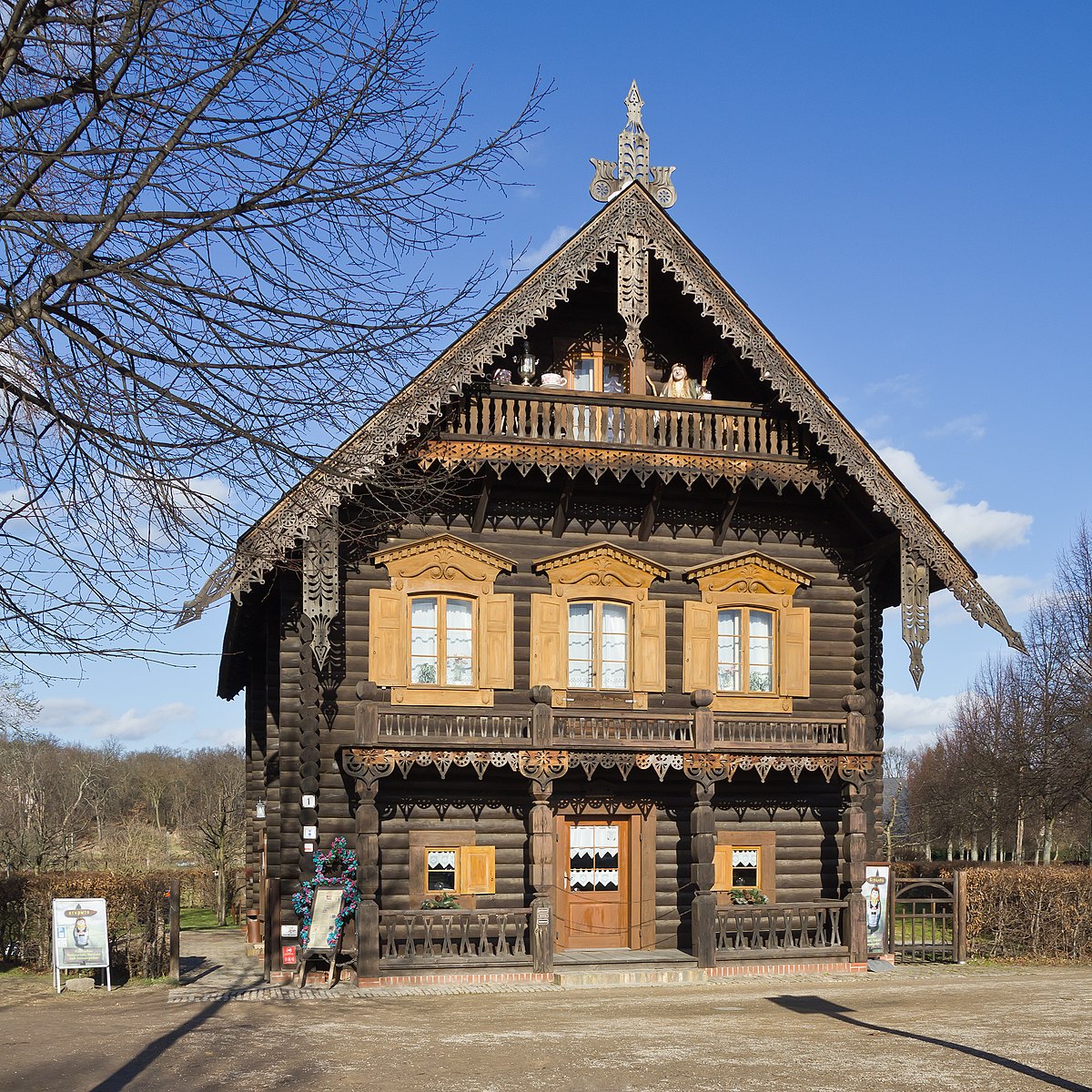
Located in the picturesque city of Potsdam, Germany, Alexandrowka is an intriguing architectural ensemble that reflects a unique blend of Russian and …

Alte Burg Penzlin
📍 Brandenburg, Germany
Alte Burg Penzlin, a captivating castle located in the quaint town of Penzlin, Germany, serves as a remarkable example of medieval architecture and …

Alte Dorfkirche Röxe
📍 Brandenburg, Germany
The Alte Dorfkirche Röxe stands as a poignant symbol of architectural and cultural history in the Stendal region of Germany. This church building, …
More Memorials

2 Straßenbau- Gedenksteine
📍 Schleswig-Holstein, Germany
In the picturesque region of Bösdorf, Germany, two memorial stones commemorate a pivotal moment in the history of infrastructure development. Known as …

Albrecht-Dürer-Denkmal
📍 Bavaria, Germany
In the heart of Nuremberg, Germany, the Albrecht-Dürer-Denkmal stands as a tribute to one of the most influential figures in Northern Renaissance art. …

Alexiuskreuz
📍 Lower Saxony, Germany
A visit to Alexiuskreuz in Mägdesprung, Harzgerode, invites exploration of a poignant memorial that honors significant historical events and figures. …

Alsdorfer Bergmannskreuz
📍 North Rhine-Westphalia, Germany
The Alsdorfer Bergmannskreuz memorial, located in Simmerath, Germany, serves as a poignant reminder of the region’s mining heritage and the cultural …
Alte Pathologie Wehnen
📍 Lower Saxony, Germany
In the tranquil landscape of Bad Zwischenahn, Germany, the Alte Pathologie Wehnen serves as a solemn memorial dedicated to the victims of the Nazi …

Arbeitserziehungslager Nordmark
📍 Schleswig-Holstein, Germany
Arbeitserziehungslager Nordmark, located on the outskirts of Kiel, Germany, serves as a solemn memorial to the atrocities committed during the Nazi …