Overview
Heidenmauer, a compelling archaeological site located in the Rhineland-Palatinate region of Germany, invites visitors to explore its ancient Celtic roots. Steeped in the remnants of a once-thriving civilization, this Celtic ringwork serves as a portal to the past, holding secrets of a society that flourished long ago. The site is positioned within a landscape that has seen centuries of change, yet it retains an aura of mystery and significance.
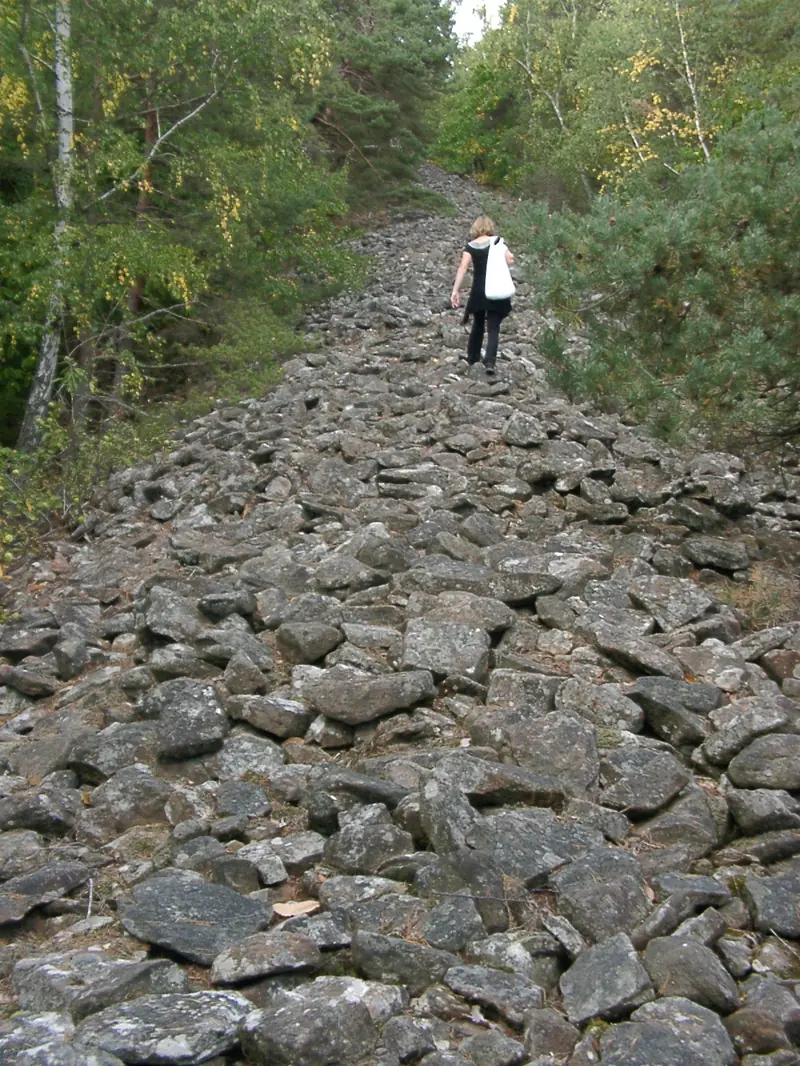
As you approach Heidenmauer, you’ll notice the undulating terrain that surrounds the site, offering a glimpse into the natural world that the Celts inhabited. The significance of Heidenmauer lies not only in its archaeological value but also in its role as a testament to the cultural and historical developments of the Celtic people. Here, you will discover the architectural features that define this ancient settlement and gain insight into the customs and practices of its inhabitants.
Your visit to Heidenmauer promises a fascinating exploration of history and architecture, revealing the stories etched into the earth that continue to resonate today.
History and Significance
Heidenmauer represents a significant chapter in the history of the Celtic people, who established this ringwork during a time of considerable social and cultural development. The site encapsulates the essence of Celtic life, showcasing their architectural ingenuity and community organization. Over the centuries, Heidenmauer has served not only as a settlement but also as a defensive structure, indicating the strategic importance of its location.
Celtic societies were known for their intricate social structures, and Heidenmauer likely played a central role in the lives of its inhabitants. While specific details about the site’s construction and its exact timeline remain elusive, its enduring presence speaks to the resilience and adaptability of the Celtic people. The ringwork’s design reflects a defensive purpose, which was likely essential in an era marked by territorial conflicts and the need for protection.
Heidenmauer is a symbol of the cultural heritage of the Celts and offers valuable insights into their way of life. The remnants found at the site provide clues to their agricultural practices, social interactions, and community organization. As archaeological research continues, the site holds promise for further revelations about the Celtic civilization and its contributions to European history.
Architecture and Features
The architectural features of Heidenmauer are distinctive, characterized by the circular form typical of Celtic ringworks. This circular design not only served a functional purpose of defense but also reflects the social organization of the community. Visitors approaching the site will immediately notice the earthworks that outline the ring, which once enclosed living spaces, storage areas, and communal structures.
The construction techniques employed by the Celts at Heidenmauer highlight their understanding of the landscape and materials available to them. The elevation and strategic placement of the ringwork suggest that it was designed to offer a vantage point, allowing inhabitants to observe the surrounding area for potential threats. The remnants of the earthworks still evoke a sense of the past, inviting contemplation of the lives lived within its bounds.
While the specifics of the architectural style may not be detailed, the overall design of Heidenmauer is emblematic of Celtic construction methods, which often utilized local resources and reflected their relationship with the environment. Visitors are encouraged to walk along the perimeter of the site, taking in the contours of the land and imagining the vibrant community that once thrived here.
Visiting Information
Getting to Heidenmauer involves navigating the scenic landscapes of Rhineland-Palatinate, a region known for its rich history and natural beauty. Visitors can access the site via general transport options available in the area. The site is designed to accommodate visitors, offering an engaging experience that allows for exploration and discovery.
Hours: Check the official website for current opening hours.
Prices: Visit the official website for current admission prices.
During your visit, you can expect an immersive experience that combines historical education with the opportunity to appreciate the site’s natural surroundings. A visit typically requires 1-2 hours to fully explore the ringwork and absorb the atmosphere. For a more tranquil experience, consider visiting in the morning when crowds are generally fewer. The spring and fall seasons are ideal for weather and scenery, enhancing your exploration of this ancient site.
Accessibility may vary, so it’s advisable to check specifics before planning your visit. The paths around the site are typically well-maintained, allowing for easier access to different areas.
Nearby Attractions
While Heidenmauer stands out as a significant archaeological site, the surrounding area offers additional points of interest worth exploring.
Roman Villa Nennig: Located a short distance away, this archaeological site showcases the remnants of a Roman villa, providing further context to the region’s historical significance.
Burg Eltz: A picturesque medieval castle, Burg Eltz is renowned for its stunning architecture and scenic location. The castle offers guided tours that delve into its rich history.
Rheinisches Landesmuseum: Situated nearby, this museum provides an in-depth look at the history and culture of the Rhineland region, featuring artifacts from various periods, including the Celtic era.
Mosel Valley: Known for its vineyards and charming villages, the Mosel Valley presents a beautiful landscape ideal for leisurely exploration, wine tasting, and enjoying regional cuisine.
Traben-Trarbach: This historic town along the Mosel River features beautiful architecture and offers opportunities for river cruises, making it a perfect addition to your itinerary.
Insider Tips
To make the most of your visit to Heidenmauer, consider these insider tips:
Photography Spots: The best photography opportunities arise during the golden hours of early morning or late afternoon, when the sunlight casts dramatic shadows over the earthworks.
Look for Lesser-Known Details: Take time to observe the subtle contours of the landscape and any unique geological formations that may be visible.
Avoid Crowds: Visiting on weekdays or during off-peak hours can enhance your experience, allowing for a more intimate connection with the site.
Local Recommendations: Engage with local guides or staff for insights into hidden aspects of the site or surrounding areas that may not be widely publicized.
Practical Information
When planning your visit to Heidenmauer, keep these practical details in mind:
What to Bring: Comfortable walking shoes are essential, as the terrain can vary. Bring water and snacks, especially if you plan to explore the nearby attractions.
Seasonal Considerations: The site is generally open year-round, but weather can impact your experience. Check forecasts ahead of your visit, particularly if rain is expected.
Visitor Amenities: While specific facilities may not be detailed, ensure you are prepared with everything you might need for a day of exploration.
Frequently Asked Questions
How long should I spend visiting?
You should plan to spend about 1-2 hours at Heidenmauer to fully explore the site and appreciate its historical significance.
Is photography allowed inside?
Photography is typically allowed at archaeological sites like Heidenmauer, but it’s always good to check for any specific restrictions upon arrival.
Are there guided tours available?
Guided tours may not be specifically mentioned; contact the site directly for the latest information on available tours.
What’s the best time of day to visit?
Morning visits are often ideal for fewer crowds, allowing for a more peaceful exploration of the site.
Is the site wheelchair accessible?
Accessibility details may vary. It’s best to check directly with the site for the latest information on wheelchair access.
Can I buy tickets online?
Ticket purchasing options may not be specified; contact the site directly for the latest information on ticket availability.
Are there facilities like restrooms and cafes?
Specific facilities at the site are not detailed; ensure you are prepared for your visit, especially regarding food and restroom needs.
What should I wear when visiting?
Comfortable clothing and shoes suitable for walking are recommended, as you may be exploring uneven terrain.
Your visit to Heidenmauer promises to be a unique journey into the heart of Celtic history and architecture, unveiling the layers of time that shape our understanding of the past.



