Overview
Hedemunden, an archaeological site located in Germany, unveils remnants of a frührömische Befestigungsanlage, or early Roman fortification, situated along the banks of the Werra River. This site, found in the town of Hann. Münden in Niedersachsen, provides a glimpse into a significant period of history when Roman influences began to permeate the region. As you explore its grounds, you’ll find traces of strategic military architecture that speak to the fortifications’ role in defense and territorial control.
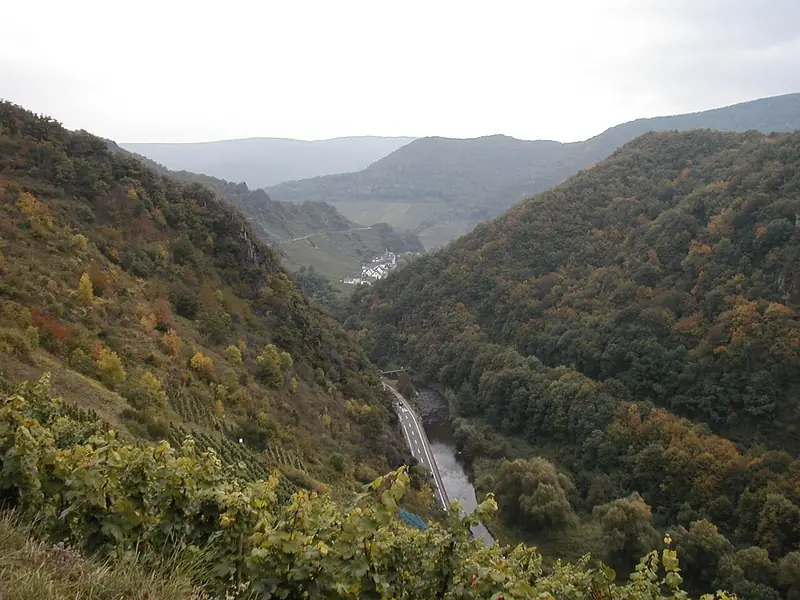
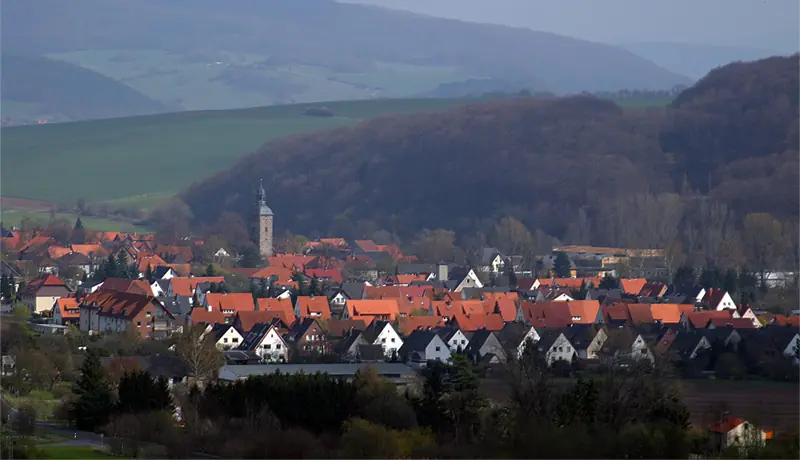
The landscape surrounding Hedemunden is characterized by its gentle undulations and greenery, offering a serene backdrop for historical exploration. This archaeological site not only serves as a vital link to understanding early Roman military strategies but also highlights the intricate connections between various cultures of the time. What draws visitors here? The chance to walk through history, to witness the remnants of a civilization that shaped the very fabric of Europe.
At Hedemunden, you will discover the architectural features and historical context that define this site. From its strategic placement to the archaeological remains that tell stories of the past, there is much to learn and appreciate about this early fortification.
History and Significance
The archaeological site of Hedemunden is a testament to the early Roman military presence in what is now Germany. Over the centuries, this location served as a fortified structure, indicative of the Roman Empire’s expansive territorial ambitions during its peak. Though specific historical dates and events are not detailed, the site’s enduring significance lies in its ability to shed light on the Roman military strategies employed in the region.
Hedemunden’s fortifications were likely constructed to protect against potential invasions and to assert control over newly acquired territories. The site reflects the architectural ingenuity of the time, as the Romans utilized their knowledge of engineering to create effective defensive structures. This particular site, along with other military installations, played a crucial role in the broader context of Roman expansion in Europe.
In addition to military functions, Hedemunden served as a cultural crossroads, where different peoples interacted. The remnants of this site provide valuable insights into the daily lives of those who lived in and around the fortification, as well as the broader impact of Roman culture on local populations. The archaeological findings here contribute to our understanding of early socio-political dynamics and the intricate relationships between the Romans and the indigenous tribes.
Architecture and Features
Hedemunden’s architectural features reflect the strategic intent behind its construction. The site consists of remnants of walls and fortifications that were designed to withstand sieges and provide a stronghold for troops. The layout of the fortification is indicative of Roman military architecture, characterized by its utilitarian design aimed at maximizing defense capabilities.
Visitors to Hedemunden will notice the enduring elements of the walls, which, although weathered over time, still convey the scale and importance of the structure. The fortification is positioned strategically, allowing for a commanding view of the surrounding landscape, which would have been crucial for early warning against potential threats.
As you explore the site, pay attention to the layout of the fort, as it provides clues about the daily life of its occupants and the military operations that took place within these walls. The remnants of the fortification offer a tangible connection to the past, illustrating the significant role that Hedemunden played in the broader narrative of Roman military history.
Visiting Information
Getting to Hedemunden is relatively straightforward, with various transport options available in the region. While specific details about public transport are not provided, visitors can typically find local bus or train services that connect to Hann. Münden. The surrounding area is accessible for those who prefer to drive, with general road networks leading to the site.
For your visit, check the official website for current opening hours and admission prices. Expect to spend approximately 1-2 hours at the site, which allows enough time to explore the remains, take photographs, and absorb the historical context. Morning visits are often recommended to avoid crowds, and spring or fall are ideal for pleasant weather.
Accessibility considerations are important; if you have specific requirements, it’s advisable to contact the site directly for the latest information regarding facilities and access.
Nearby Attractions
When visiting Hedemunden, consider exploring these nearby attractions to enhance your cultural experience:
Hann. Münden Town Center: This charming town features well-preserved half-timbered houses and a picturesque market square, making it a delightful place to wander.
The Weser Renaissance: A short distance away, this architectural style can be observed in various buildings throughout the region, showcasing the unique blend of Renaissance and local influences.
Cultural Museum of Münden: This museum highlights the history and culture of Hann. Münden, offering insights into the local traditions and the impact of the Roman presence in the area.
Natural Parks: The nearby landscape offers opportunities for hiking and enjoying the natural beauty of the region, perfect for those looking to stretch their legs after exploring the archaeological site.
Historic Churches: Within the vicinity, several historic churches reflect the architectural evolution of the area, providing additional context for understanding the region’s history.
Insider Tips
For the best photography opportunities, aim to visit early in the morning or late in the afternoon when natural light enhances the site’s features. Look for unique angles that capture the fortifications against the backdrop of the landscape.
While at Hedemunden, pay attention to the smaller details of the architecture; subtle elements can tell you much about the construction techniques used during the Roman era. To avoid crowds, consider visiting during weekdays, as weekends tend to attract more visitors.
A local tip: bring along a picnic to enjoy in the surrounding area, making for a pleasant break after your exploration of the archaeological site.
Practical Information
When planning your visit to Hedemunden, it’s essential to prepare adequately. Ensure you wear comfortable footwear suitable for walking on uneven terrain. Depending on the season, consider dressing in layers, as temperatures can fluctuate throughout the day.
Check the official website for current opening hours and admission prices to plan your visit effectively. Be sure to bring along water, especially during warmer months, and a camera to capture your experience.
Accessibility details can vary, so it’s wise to contact the site directly for the latest information regarding facilities and support for visitors with mobility needs.
Frequently Asked Questions
How long should I spend visiting?
You should plan to spend about 1-2 hours at Hedemunden to fully appreciate the site and its historical context.
Is photography allowed inside?
Photography is typically allowed at archaeological sites like Hedemunden, but it’s best to check for any specific restrictions upon arrival.
Are there guided tours available?
Information regarding guided tours is not specified. Contact the site directly for details about tour availability.
What’s the best time of day to visit?
Morning visits are ideal for fewer crowds, providing a more tranquil experience as you explore the site.
Is the site wheelchair accessible?
Accessibility information for Hedemunden is not detailed. It’s advisable to reach out to the site directly for the latest accessibility options.
Can I buy tickets online?
Details on online ticket purchasing are not provided. Check the official website for current information.
Are there facilities like restrooms and cafes?
Restroom facilities are not mentioned. For the latest information on amenities, contact the site directly.
What should I wear when visiting?
Wear comfortable clothing and sturdy shoes suitable for walking on potentially uneven ground. Seasonal attire is advisable based on weather conditions.
Photo Gallery