
Haus der Kunst
Overview
Haus der Kunst is a renowned art museum located in Munich, Germany, dedicated to showcasing contemporary art and culture. Established in the early 20th century, the museum has evolved into a significant hub for exhibitions and artistic discourse, attracting visitors from around the globe. Its strategic location in the heart of Munich makes it easily accessible, and its ambitious programming reflects the dynamic nature of the contemporary art scene. With a commitment to fostering an appreciation for modern artistic expressions, Haus der Kunst offers a platform for emerging artists and established figures alike.
The museum’s extensive collection and rotating exhibitions provide a deep dive into the evolving narratives of contemporary art. Visitors can expect a thought-provoking experience that challenges perceptions and inspires dialogue. Whether you are an art aficionado or a casual observer, Haus der Kunst invites all to explore the multifaceted world of contemporary creativity.
History and Significance
Haus der Kunst has a complex history that reflects the cultural shifts in Germany over the decades. Originally constructed as a pavilion for the 1937 Great German Art Exhibition, its inception was tied to the ideologies of the time. The museum was designed to showcase Nazi-approved art, but it later transitioned into a venue for a broader spectrum of artistic expression. This evolution highlights the institution’s ability to adapt and respond to the changing cultural landscape of Germany.
Throughout its history, Haus der Kunst has played a pivotal role in the promotion of contemporary art. It has served as a platform for significant artistic movements and has hosted numerous influential exhibitions. The museum’s programming often emphasizes the intersection of art with social, political, and environmental issues, encouraging visitors to engage critically with the works on display.
Today, Haus der Kunst stands as a vital institution within Munich’s cultural scene. It is not only a place for viewing art but also a space for dialogue and community engagement. The museum frequently collaborates with artists and institutions worldwide, reinforcing its role as a key player in the global art community. This commitment to cultural exchange and innovation ensures that Haus der Kunst remains relevant and significant in the contemporary art world.
Architecture and Features
The architectural design of Haus der Kunst is both striking and functional. The building features a streamlined façade that embodies the modernist aesthetic, with clean lines and an imposing structure that captures attention. The exterior is characterized by its grand entrance, which is framed by expansive stairs leading up to the main hall. This architectural approach invites visitors to engage with the space even before entering.
Inside, the museum is designed to accommodate a variety of exhibitions and events. The layout includes multiple galleries of varying sizes, allowing for both large-scale installations and intimate displays. The flexibility of the exhibition spaces is a key feature, enabling the museum to host a diverse range of artistic expressions and presentations.
Notably, the museum’s design also incorporates natural light, enhancing the viewing experience. The interplay of light and space in the galleries creates an inviting atmosphere for contemplation and appreciation of the artworks. The architectural integrity of Haus der Kunst not only serves its function as an art museum but also contributes to the overall experience of visitors.
Visiting Information
Visiting Haus der Kunst is an enriching experience, and there are several factors to consider to make the most of your trip. The museum is centrally located in Munich, making it easily accessible via public transport. Various tram and bus lines connect to nearby stops, and the museum’s coordinates are 48.144114618, 11.585938562 for those using GPS.
Check the official website for current information regarding hours and admission prices, as these can vary. It is advisable to allocate a few hours to fully appreciate the exhibitions. Visitors may find it beneficial to visit during weekdays when the museum tends to be less crowded, allowing for a more contemplative experience.
Expect a diverse array of exhibitions that change regularly, showcasing both established and emerging artists. The atmosphere inside the museum is conducive to thoughtful engagement with the artworks, and there are often supplemental programs, such as lectures or panel discussions, that further enhance the visit.
Nearby Attractions
While exploring Haus der Kunst, consider visiting these nearby attractions to enrich your cultural experience in Munich:
- Englischer Garten: One of the largest urban parks in the world, perfect for a leisurely stroll or a picnic.
- Bavarian National Museum: A museum dedicated to art and cultural history, offering insights into Bavaria’s heritage.
- Munich Residenz: The former royal palace of the Bavarian monarchs, showcasing opulent architecture and art collections.
- Pinakothek der Moderne: A premier modern art museum featuring a vast collection of 20th-century art.
- Viktualienmarkt: A famous food market where you can experience local delicacies and vibrant market culture.
Insider Tips
To make the most of your visit to Haus der Kunst, consider these insider tips. If photography is permitted in certain exhibitions, be mindful of your surroundings and fellow visitors. Early mornings or late afternoons are typically the best times to avoid larger crowds and enjoy a quieter atmosphere for viewing.
Additionally, consider joining a guided tour if available, as this can provide deeper insights into the exhibitions and enhance your understanding of the artworks on display. Take your time to engage with the pieces, as contemporary art often invites multiple interpretations.
Practical Information
When visiting Haus der Kunst, it’s advisable to bring a few essentials. Comfortable walking shoes are recommended, as you will likely spend several hours exploring the galleries. Depending on the season, layering your clothing can help you adapt to varying temperatures inside the museum.
Check the official website for information on seasonal exhibitions, as special events may influence your visit. Additionally, consider bringing a reusable water bottle to stay hydrated during your exploration.
Frequently Asked Questions
How long should I spend visiting?
Most visitors find that spending around two to three hours allows enough time to explore the exhibitions thoroughly.
Is photography allowed?
Photography policies can vary by exhibition. Always check for signage or ask museum staff for guidelines regarding photography.
Are there guided tours?
Guided tours may be available; check the official website for current offerings and schedules.
What’s the best time to visit?
Weekdays typically see fewer visitors, making it an ideal time for a more relaxed experience.
Is it wheelchair accessible?
Yes, Haus der Kunst is equipped to accommodate visitors with mobility impairments.
Can I buy tickets online?
Check the official website for information on purchasing tickets in advance.
Are there restrooms and cafes?
Yes, facilities are available within the museum for visitor convenience.
What should I wear?
Dress comfortably, and consider layering to adapt to indoor temperatures.
Location
More in Bavaria

8. November 1939 (Denkmal)
📍 Bavaria, Germany
The 8. November 1939 (Denkmal) stands as a poignant monument in Munich, Germany, marking a significant moment in the nation’s history. Dedicated to …

Abbey of St. Nikola in Passau
📍 Bavaria, Germany
The Abbey of St. Nikola in Passau stands as a significant religious and cultural landmark in this historic German city. Located at coordinates …

Abensbergerdenkmal
📍 Bavaria, Germany
The Abensbergerdenkmal, a notable monument located in Freising, Upper Bavaria, Germany, serves as an evocative reminder of the region’s historical and …
Abrechen (München)
📍 Bavaria, Germany
Abrechen in München is a bridge that plays a significant role in the connectivity of this bustling German city. Located at coordinates 48.1357, …
Abschnittsbefestigung Andechs
📍 Bavaria, Germany
The Abschnittsbefestigung Andechs, a striking castle located in the scenic region of Andechs, Germany, offers a fascinating glimpse into the …
Abschnittsbefestigung im Taitinger Holz
📍 Bavaria, Germany
The Abschnittsbefestigung im Taitinger Holz represents an intriguing chapter in Germany’s medieval architectural narrative. Located in Bavaria, this …
More Art Museums

Aachen Cathedral Treasury
📍 North Rhine-Westphalia, Germany
Aachen Cathedral Treasury, located in the historic city of Aachen, Germany, is a remarkable art museum that houses an impressive collection of …

Abteiberg Museum
📍 North Rhine-Westphalia, Germany
In the heart of Mönchengladbach, Germany, the Abteiberg Museum stands out as a prominent destination for art enthusiasts and cultural explorers alike. …

Akademisches Kunstmuseum
📍 North Rhine-Westphalia, Germany
In the heart of Bonn, Germany, lies the Akademisches Kunstmuseum, an art museum that invites visitors to explore a diverse collection of artworks …

Albertinum
📍 Saxony, Germany
Albertinum is a prominent art museum located in the heart of Dresden, Germany, serving as a significant cultural institution in the region. …

Albrecht Dürer's House
📍 Bavaria, Germany
Albrecht Dürer’s House stands as a significant cultural landmark in Nuremberg, Germany, celebrating the life and work of one of the Renaissance’s most …
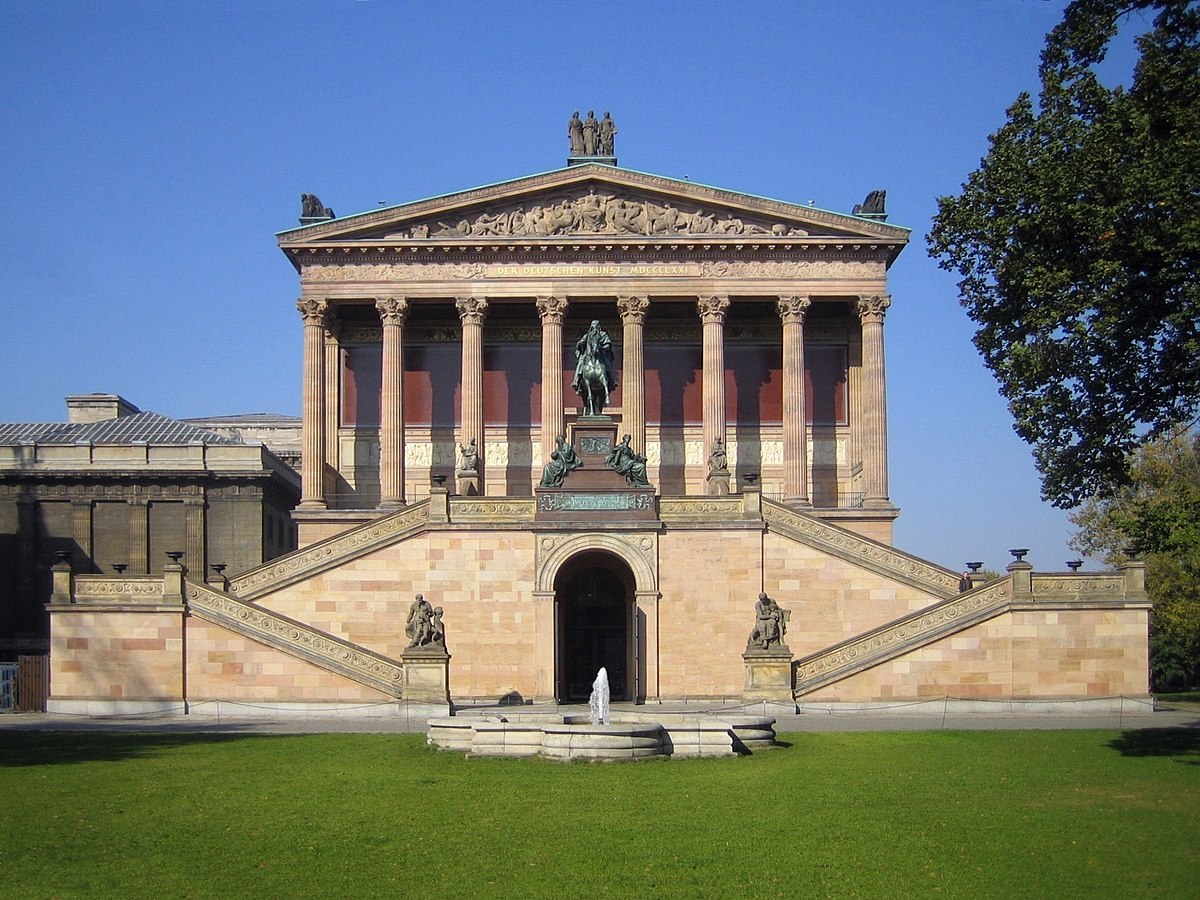
Alte Nationalgalerie
📍 Berlin, Germany
The Alte Nationalgalerie, an esteemed art museum located in Berlin’s Bezirk Mitte, is a cornerstone of cultural appreciation in Germany. This museum …