
Haus der Kultur und Bildung
Overview
The Haus der Kultur und Bildung, located in the vibrant city of Neubrandenburg, Mecklenburg-Vorpommern, Germany, serves as a dynamic hub for cultural exchange and community events. This multi-purpose hall is not only a venue for performances and exhibitions but also a gathering place that fosters creativity and education. Its strategic location in the heart of Neubrandenburg makes it a significant landmark for both locals and visitors, reflecting the city’s commitment to cultural development. As you explore this site, expect a blend of artistic expression, educational programs, and community interaction, all set against a backdrop of an engaging architectural environment.
Neubrandenburg, known for its medieval city walls and rich history, provides an ideal context for the Haus der Kultur und Bildung. The hall is centrally situated and accessible, making it an attractive destination for those looking to immerse themselves in the local culture. Whether you are attending a concert, a theater performance, or an art exhibition, you will find that this venue offers a unique insight into the cultural fabric of the region.
History and Significance
The Haus der Kultur und Bildung has a storied past reflective of the broader cultural shifts in Germany. As a multi-purpose hall, it has played a vital role in the community since its inception, serving as a platform for artistic expression and public discourse. The significance of such institutions in post-war Germany cannot be understated; they have been crucial in rebuilding cultural life and fostering a sense of community.
The hall hosts a variety of events, ranging from musical performances to educational workshops, which contribute to the cultural enrichment of Neubrandenburg. By providing a space for local artists to showcase their work and for the community to engage in cultural activities, the Haus der Kultur und Bildung promotes both artistic innovation and social cohesion. This commitment to culture makes it a cornerstone of the city’s identity.
Over the years, the hall has adapted to the changing needs of its community while maintaining its core mission of cultural promotion. It stands not only as a venue for events but also as a symbol of the resilience and creativity of the people of Neubrandenburg. The hall’s role in the cultural landscape exemplifies how spaces can influence the social and artistic vitality of a region.
Architecture and Features
The architecture of the Haus der Kultur und Bildung is a reflection of its purpose as a multi-purpose hall. Designed to accommodate a variety of events, the building features an adaptable interior that can be transformed to suit different types of performances and gatherings. The layout is practical yet inviting, with spacious areas that encourage interaction among visitors.
One of the hall’s notable features is its versatile auditorium, which is equipped with modern sound and lighting systems. This allows for high-quality performances, whether they are theatrical productions, concerts, or community events. The design includes flexible seating arrangements, making it possible to cater to both large audiences and more intimate gatherings.
The exterior of the Haus der Kultur und Bildung complements its function, with a facade that is both contemporary and reflective of the local architectural style. The building’s design integrates elements that resonate with the cultural heritage of Neubrandenburg, creating a harmonious blend of old and new. The surrounding area is landscaped to enhance the aesthetic appeal, providing a welcoming atmosphere for those approaching the venue.
Visiting Information
When planning your visit to the Haus der Kultur und Bildung, it is advisable to check the official website for current information regarding hours and ticket prices. The hall is conveniently located in Neubrandenburg, making it accessible by various modes of transportation. Public transport options, such as buses and trains, are readily available, and there are parking facilities for those traveling by car.
Expect a diverse array of events throughout the year, ranging from concerts to art exhibitions. The best time to visit may vary depending on the type of event you are interested in, so it is beneficial to consult the event calendar on the official website. The average visit duration can vary, but attendees typically spend a few hours enjoying performances or exploring exhibitions.
For those interested in exploring the local culture further, consider timing your visit around special events or festivals that may be happening concurrently at the hall. Engaging with local artists and performers can enhance your experience and provide deeper insights into the cultural scene of Neubrandenburg.
Nearby Attractions
After your visit to the Haus der Kultur und Bildung, take the opportunity to explore some of Neubrandenburg’s other attractions:
- Neubrandenburg City Wall: One of the most well-preserved medieval fortifications in Germany, offering a glimpse into the city’s historical past.
- St. Mary’s Church: A stunning example of brick Gothic architecture, known for its impressive stained glass windows and historical significance.
- Culture and Congress Centre: Another venue for cultural events, providing a variety of performances and exhibitions that complement what the Haus der Kultur und Bildung offers.
- Lake Tollensesee: A picturesque area ideal for a leisurely walk or picnic, showcasing the natural beauty of the region.
- Neubrandenburg Museum: Delve into local history and art through exhibits that highlight the cultural heritage of the area.
Insider Tips
For those planning to capture the essence of the Haus der Kultur und Bildung through photography, consider visiting during less crowded times to get unobstructed shots of the architecture and events. Early mornings or weekdays may offer quieter opportunities. If you are attending a performance, be mindful of the venue’s photography policies, as some events may restrict photography.
To avoid the busiest times, check the event schedule in advance. Popular performances may attract larger crowds, so arriving early can ensure a more comfortable experience.
Practical Information
When visiting the Haus der Kultur und Bildung, it’s useful to bring along essentials such as a camera, comfortable clothing, and a light jacket, as the temperature inside can vary depending on the event. If you plan to attend a particular performance, consider checking if there are any specific dress codes or guidelines.
The hall operates year-round, but seasonal considerations may affect the types of events available, so it is prudent to check the official website for seasonal programming. Whether visiting in the warmer months or during the winter, the hall remains a focal point of cultural activity in Neubrandenburg.
Frequently Asked Questions
How long should I spend visiting?
The average visit duration can vary based on the event schedule, but you should plan for a few hours to fully experience the offerings.
Is photography allowed?
Photography policies can differ by event. It’s best to check in advance or inquire upon arrival.
Are there guided tours?
Guided tours may be available for specific events or exhibitions. Check the official website for more details.
What’s the best time to visit?
The best time to visit depends on the events you wish to attend. Consult the event calendar for information on upcoming performances.
Is it wheelchair accessible?
The Haus der Kultur und Bildung is designed to be accessible, but checking the official website for specific accessibility information is advisable.
Can I buy tickets online?
Online ticket purchasing options may be available for certain events. Visit the official website for ticketing information.
Are there restrooms and cafes?
Restroom facilities are available on-site. Depending on the event, there may also be food and beverage options.
What should I wear?
Dress codes may vary by event. For performances, smart casual attire is typically appropriate, but always check the specifics for your chosen event.
More in Brandenburg
Agnetenkloster
📍 Brandenburg, Germany
Agnetenkloster, a former monastery located in the heart of Magdeburg, Germany, invites visitors to explore its serene ambiance and historical …

Agroneum
📍 Brandenburg, Germany
Agroneum is a museum located in the serene landscape of Alt Schwerin, Germany. This establishment serves as a vibrant hub for those interested in the …

Alexander Nevsky Memorial Church
📍 Brandenburg, Germany
The Alexander Nevsky Memorial Church in Potsdam, Germany, offers visitors a unique glimpse into the city’s cultural and religious heritage. This …
Alexandrowka
📍 Brandenburg, Germany
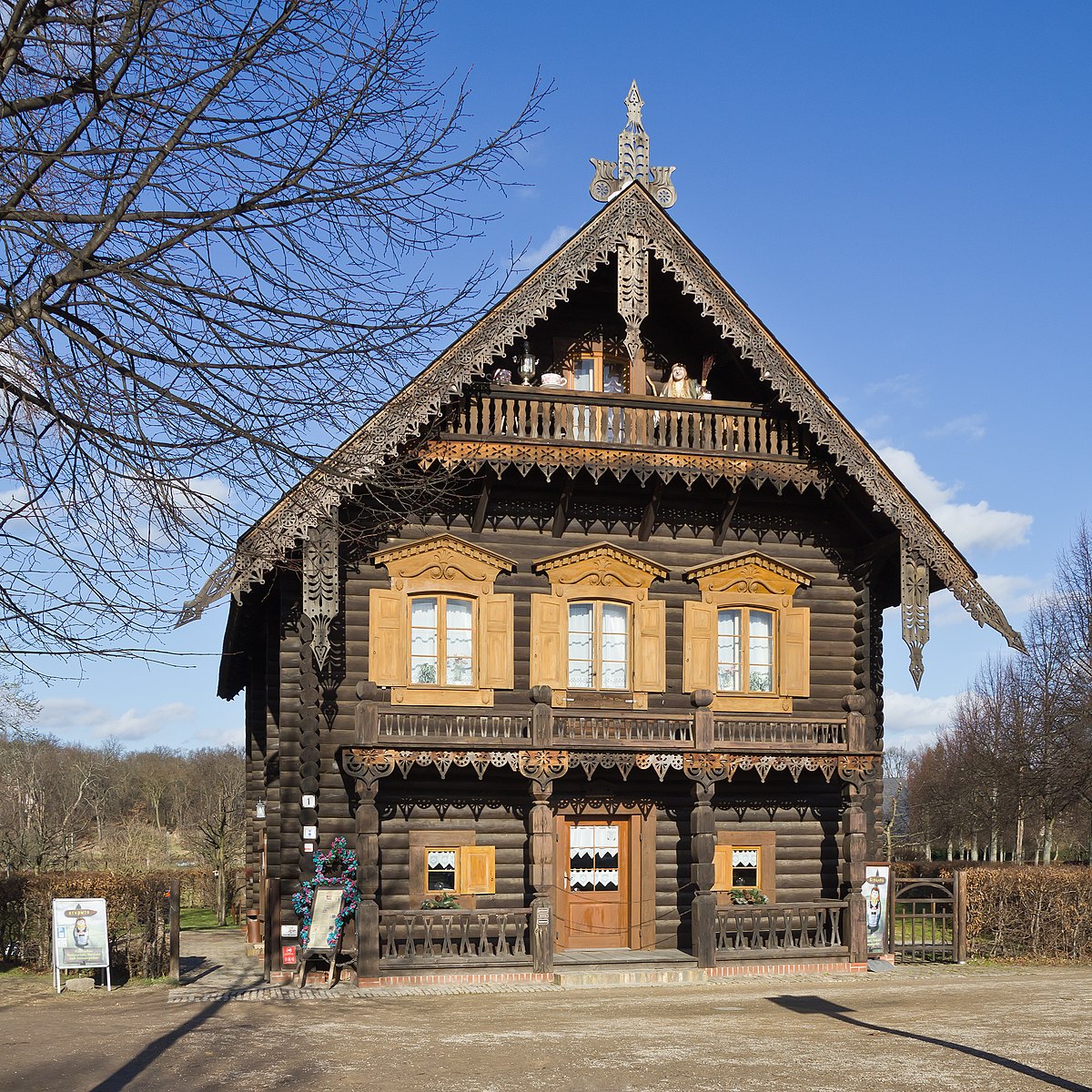
Located in the picturesque city of Potsdam, Germany, Alexandrowka is an intriguing architectural ensemble that reflects a unique blend of Russian and …

Alte Burg Penzlin
📍 Brandenburg, Germany
Alte Burg Penzlin, a captivating castle located in the quaint town of Penzlin, Germany, serves as a remarkable example of medieval architecture and …

Alte Dorfkirche Röxe
📍 Brandenburg, Germany
The Alte Dorfkirche Röxe stands as a poignant symbol of architectural and cultural history in the Stendal region of Germany. This church building, …
More Multi-Purpose Halls

Allgäuhalle
📍 Baden-Württemberg, Germany
Allgäuhalle is a notable multi-purpose hall located in Kempten, Bavaria. This venue plays a significant role in the cultural and social fabric of the …

Alte Kongresshalle
📍 Bavaria, Germany
The Alte Kongresshalle, a striking multi-purpose hall located in the Schwanthalerhöhe district of Munich, Germany, is a significant venue that has …

Arena Kreis Düren
📍 North Rhine-Westphalia, Germany
The Arena Kreis Düren stands as a notable multi-purpose hall located in the heart of Düren, Germany. This modern facility serves as a hub for various …

Arena Leipzig
📍 Saxony, Germany
Arena Leipzig, a prominent multi-purpose hall located in the vibrant city of Leipzig, Germany, is a significant venue for a variety of events, from …

Arkadenbau
📍 Bavaria, Germany
Arkadenbau, a distinguished multi-purpose hall located in the heart of Bad Kissingen, Germany, encapsulates the cultural essence of the region. This …

Artland-Arena
📍 Lower Saxony, Germany
Artland-Arena, located in Quakenbrück, Germany, serves as a dynamic hub for various events, from sports to concerts, embodying the spirit of community …