Hassia Fabrik Offenbach
Overview
Hassia Fabrik Offenbach is more than just a building; it represents a significant chapter in the industrial history of Germany. Located in Offenbach am Main, this former shoe factory is recognized as a national heritage site, reflecting the region’s rich industrial past and its contributions to the shoe manufacturing sector. The factory’s architectural features and historical significance make it a compelling destination for those interested in industrial heritage and the evolution of craftsmanship in Germany.
As you approach the site, it becomes evident that Hassia Fabrik is a symbol of the transformation that took place in the early 20th century, when industrialization dramatically altered the economic landscape of Europe. The factory’s location in Offenbach, known historically for its leather and shoe production, adds to its importance as a site that encapsulates the essence of the region’s industrial endeavors. Visitors can expect to immerse themselves in a space that not only reflects the architectural styles of its time but also tells the story of the people and processes that powered this vital industry.
With its historical context and architectural merit, Hassia Fabrik Offenbach invites exploration and appreciation. Whether you are a history enthusiast, an architecture aficionado, or simply curious about industrial heritage, this site promises insights into the craftsmanship and industrial innovation that shaped local and national economies.
History and Significance
The history of Hassia Fabrik Offenbach is intertwined with the rise of the shoe manufacturing industry in Germany. This factory is emblematic of Offenbach am Main’s role as a center for leather production and shoe making. The establishment of such factories contributed significantly to the local economy and provided numerous job opportunities, shaping the lives of many in the community.
Throughout its operational years, Hassia Fabrik was known for producing high-quality footwear that catered to both domestic and international markets. The factory not only contributed to the economic development of the region but also influenced social structures by providing stable employment in a burgeoning industry. It served as a training ground for skilled artisans and laborers, ensuring that traditional craftsmanship was passed down through generations.
As industrial demands evolved, so did the factory. Changes in ownership and production methods reflected broader trends in the industry, including shifts toward mass production and globalization. The site ultimately became a point of interest not only for its industrial activity but also for its architectural significance, showcasing the design trends of its era.
Today, the preservation of Hassia Fabrik Offenbach as a national heritage site underscores the importance of remembering and honoring industrial history. It serves as a reminder of the craftsmanship that characterized the shoe industry and the community’s resilience in adapting to changing economic landscapes.
Architecture and Features
Hassia Fabrik Offenbach is characterized by its robust industrial architecture, which reflects the utilitarian design principles common in factory buildings of its time. The structure is notable for its functional layout, which was designed to facilitate efficient workflows in shoe production.
The building’s exterior features a combination of brickwork and large windows, allowing ample natural light to illuminate the workspace within. This design choice was not only practical but also indicative of the era’s architectural trends that favored open and airy environments over dark, cramped spaces. The facade showcases elements typical of industrial architecture, including symmetrical layouts and a straightforward, unembellished aesthetic.
Inside the factory, visitors may find remnants of machinery and production areas that illustrate the manufacturing processes once employed. These features provide a tangible connection to the past, allowing guests to visualize the bustling activity that once filled the space.
Overall, the architecture of Hassia Fabrik Offenbach is a significant aspect of its heritage value. It stands as a representation of the industrial style prevalent in the 20th century, combining form and function in a way that reflects the ethos of the manufacturing industry.
Visiting Information
Visiting Hassia Fabrik Offenbach offers a unique opportunity to engage with Germany’s industrial heritage. The site is accessible via various modes of transportation, making it easy for travelers to reach. Public transport options are available, and local signage will guide visitors to the factory’s entrance.
When planning your visit, check the official website for current information regarding hours of operation and any admission fees. While the factory’s interior may not always be open to self-guided tours, there may be organized tours available at certain times, which provide informative insights into the site’s history and significance.
Depending on your interests, you may wish to allocate approximately one to two hours for your visit. This allows ample time to explore the surrounding area and absorb the historical context of the factory. The best times to visit are during weekdays when crowds are typically smaller, allowing for a more intimate experience with the site.
Visitors should prepare for a mix of indoor and outdoor exploration, so comfortable shoes and weather-appropriate clothing are recommended. Additionally, consider bringing a camera to capture the factory’s architectural features and the surrounding landscape.
Nearby Attractions
After exploring Hassia Fabrik Offenbach, consider visiting these nearby attractions to enhance your heritage experience:
Museum für Kommunikation: Located in the heart of Offenbach, this museum showcases the history of communication through interactive exhibits and artifacts.
Isenburg Castle: A short distance away, this historic castle offers a glimpse into the region’s noble past and provides beautiful grounds for leisurely strolls.
Büsing Palais: An architectural gem, this former aristocratic residence now serves as a cultural venue and hosts various events and exhibitions.
Offenbach City Museum: Dive deeper into the local history of Offenbach with exhibits focusing on the city’s development and its significance in the leather and shoe industry.
Frankfurt am Main: Just a short journey away, Frankfurt offers a vibrant mix of modern skyscrapers and historical sites, including the Römer and St. Bartholomew’s Cathedral.
Insider Tips
For those planning to visit Hassia Fabrik Offenbach, here are some insider tips to enhance your experience:
Photography Tips: The factory’s exterior and its architectural details provide excellent photo opportunities. Early morning or late afternoon light can create ideal conditions for capturing the structure’s features.
Crowd Avoidance: To avoid larger groups, consider visiting during weekdays and outside of peak tourist seasons. Mornings are generally quieter, allowing for a more peaceful exploration of the site.
Guided Tours: If available, opt for guided tours to gain deeper insights into the factory’s history and its impact on the local economy. These tours often provide unique anecdotes and facts that enrich your understanding of the site.
Practical Information
When visiting Hassia Fabrik Offenbach, consider bringing a few essential items to ensure a comfortable experience:
Comfortable Footwear: As you will be walking around the factory and nearby attractions, sturdy shoes are recommended.
Weather-Appropriate Clothing: Check the weather forecast before your visit and dress accordingly. Layers are a good choice, as indoor conditions may differ from outdoor temperatures.
Water and Snacks: While exploring, it may be beneficial to carry a water bottle and a small snack, especially if you plan to spend an extended period at the site.
Seasonal Considerations: The best time to visit is during the spring and fall when the weather is mild. Summer can be hot, while winter may bring colder temperatures that could affect your outdoor activities.
Frequently Asked Questions
How long should I spend visiting?
A visit to Hassia Fabrik Offenbach typically takes about one to two hours, allowing sufficient time to explore the site and surrounding areas.
Is photography allowed?
Photography is generally permitted; however, it’s advisable to check for any specific restrictions upon arrival.
Are there guided tours?
Guided tours may be available, offering deeper insights into the factory’s history and significance. Check the official website for details.
What’s the best time to visit?
Weekdays are often less crowded, making it an ideal time to visit. Mornings are particularly quiet, allowing for a more personal experience.
Is it wheelchair accessible?
Accessibility features may vary, so it’s best to check the official website for detailed information regarding wheelchair access.
Can I buy tickets online?
Check the official website for the most current information regarding ticket purchases and availability.
Are there restrooms and cafes?
Facilities may be limited, so it’s advisable to plan accordingly. Check the official website for information on available amenities.
What should I wear?
Dress comfortably and weather-appropriately. Layers are recommended to accommodate varying indoor and outdoor temperatures.
More in Hesse

Abri IX
📍 Hesse, Germany
Abri IX is an archaeological site located in Gleichen, Germany, that captures the essence of human history through its fascinating remnants. This site …

Ackerbürgermuseum Haus Leck
📍 Hesse, Germany
Ackerbürgermuseum Haus Leck is a culturally significant museum located in Germany’s Grebenstein region, dedicated to preserving and showcasing the …

Actien-Brauerei Homburg v. d. Höhe
📍 Hesse, Germany
Actien-Brauerei Homburg v. d. Höhe is a significant historical brewery located in Bad Homburg vor der Höhe, Germany. This former brewery is a …

Active Museum Spiegelgasse
📍 Hesse, Germany
Active Museum Spiegelgasse is a vital institution dedicated to preserving and exploring the German-Jewish history of Wiesbaden, Germany. Located in …

Adornodenkmal
📍 Hesse, Germany
Adornodenkmal, a prominent monument located in Frankfurt am Main, Germany, serves as a significant cultural landmark that encapsulates the spirit of …
Affentor
📍 Hesse, Germany
Affentor, the southernmost of the medieval city gates of Frankfurt am Main, serves as a historical marker of the city’s rich past and architectural …
More Factories
A. Heucke
📍 Lower Saxony, Germany
A. Heucke, located in the historic town of Gatersleben in Germany’s Seeland region, represents a significant chapter in the story of industrial …
Adam Opel AG Werk Bochum I
📍 Lower Saxony, Germany
The Adam Opel AG Werk Bochum I, located in Germany, represents a significant chapter in the history of industrial production. This former production …
Adam Opel AG Werke Bochum II/III
📍 Lower Saxony, Germany
Adam Opel AG Werke Bochum II/III is a distinguished factory located in Germany, playing a significant role in the automotive industry. This site is …
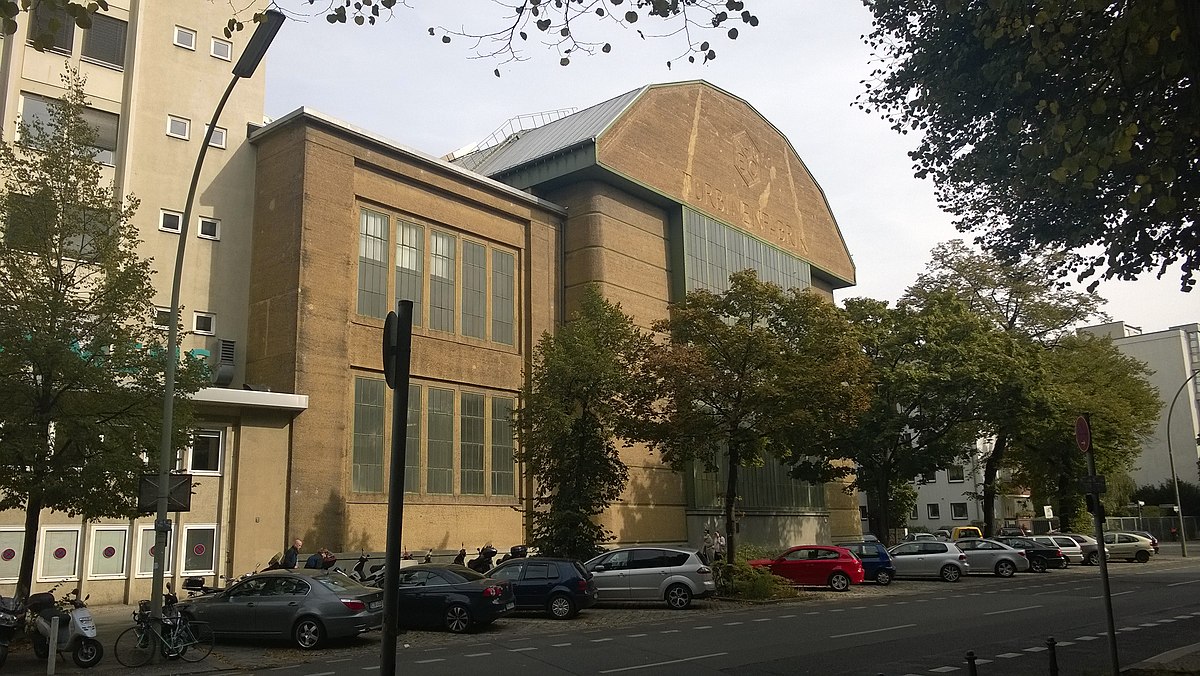
AEG's Turbine factory
📍 Berlin, Germany
The AEG Turbine Factory, an iconic structure in Berlin’s Bezirk Mitte, is a significant landmark that reflects the industrial heritage of the city. …
AKA-Radiergummifabrik
📍 Lower Saxony, Germany
The AKA-Radiergummifabrik, a significant former factory located in Hannover, Germany, offers a unique glimpse into the industrial past of the region. …

Alte Malzfabrik
📍 Lower Saxony, Germany
Alte Malzfabrik, located in Mülheim an der Ruhr, Germany, is an intriguing factory site that encapsulates the industrial heritage of the region. This …