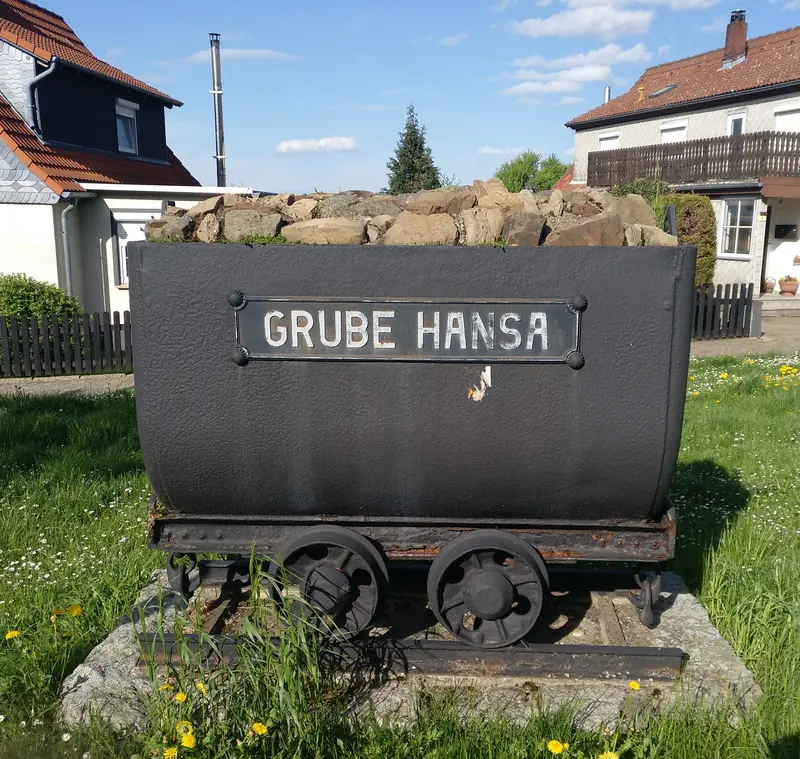
Overview
Hansa Pit, located in Germany, offers a fascinating glimpse into the world of industrial heritage, particularly that of paleontology. As a former iron mine, it holds not just the remnants of its mining past but also significant geological and paleontological findings that have drawn researchers and visitors alike. Situated at the coordinates 51.904444, 10.513333, this site is an important nod to the region’s mining history and its contributions to both local and scientific communities.
Visitors to Hansa Pit can expect a unique experience that combines industrial history with natural science. The site is a prime example of how former industrial areas can be transformed into educational spaces, allowing the public to engage with the geological wonders beneath the earth’s surface. This mine serves not only as a historical landmark but also as a center for learning about the ancient ecosystems that existed long before human intervention.
As you explore Hansa Pit, anticipate an informative and reflective journey that highlights the intersection of human industry and natural history. Check the official website for current information so you can plan your visit to this significant heritage site.
History and Significance
Hansa Pit’s importance lies in its dual legacy: as a site of iron mining and as a critical location for paleontological discoveries. The mine was part of a broader industrial movement in Germany, where mining played a vital role in economic development. The extraction of iron not only contributed to local economies but also influenced the technological advancements of the time.
While specific dates regarding the mine’s operational timeline are not readily available, it is clear that the significance of Hansa Pit extends beyond its function as an iron source. The mine has yielded a variety of paleontological finds, showcasing fossils that provide insights into ancient life forms and their environments. Such discoveries have made Hansa Pit an important site for researchers studying the Earth’s geological history.
Moreover, the site reflects the transformation of industrial areas into spaces that promote education and conservation. It serves as a reminder of the lasting impacts of industrialization on both the environment and society. The ongoing research and educational initiatives at Hansa Pit highlight the site’s significance not only as a heritage site but also as a valuable resource for understanding Earth’s past.
Architecture and Features
Hansa Pit is characterized by its industrial structures, remnants of mining equipment, and the natural landscape that has evolved around it. The site showcases the physical aspects of mining operations, including the machinery used for iron extraction and transportation. Although specific architectural details are not provided, visitors can observe the functional design typical of industrial sites from the era.
The landscape around Hansa Pit has been shaped by both natural and human activities. The former mining operations have created unique geological formations that are of interest to both geologists and paleontologists. The site’s combination of industrial ruins and natural features makes it a compelling place for exploration and study.
While visiting, you’ll likely encounter areas designated for educational purposes, where information about the mine’s history and its paleontological significance is presented. These features are designed to engage visitors and facilitate a deeper understanding of the site’s importance.
Visiting Information
Reaching Hansa Pit is relatively straightforward, given its location in Germany. Various modes of transport can lead visitors to the site, although specific transport details are not provided here, so it’s advisable to plan ahead. Check the official website for hours and prices to ensure you have the most accurate and up-to-date information for your visit.
A visit to Hansa Pit typically requires a few hours, allowing ample time to explore the site, learn about its history, and appreciate its geological features. The best times to visit can vary, so checking local guidance or the official website for peak visiting hours is recommended to enhance your experience.
Expect an educational atmosphere where guided tours or informational displays may be available, allowing you to delve deeper into the mine’s significance. Be prepared for a mix of walking and standing, as the site is designed for exploration and learning.
Nearby Attractions
Hansa Pit is surrounded by several attractions that can enhance your visit to the region:
Mining Museum: A short distance from Hansa Pit, this museum provides further insights into mining history and technology.
Regional Natural History Center: This center offers exhibits on the local ecology and geology, complementing the paleontological focus of Hansa Pit.
Historic Town Centers: Nearby towns feature charming architecture and shops, perfect for a leisurely afternoon after exploring the mine.
Nature Trails: The surrounding area includes trails where visitors can hike and enjoy the natural beauty of the region, providing a contrast to the industrial landscape of Hansa Pit.
Cultural Festivals: Depending on the time of year, local cultural events may be taking place, offering a taste of regional traditions and community life.
Insider Tips
When visiting Hansa Pit, photography enthusiasts should plan to capture the industrial structures and natural formations, as they provide compelling subject matter. Early mornings or late afternoons can offer the best natural lighting for photography.
To avoid crowds, consider visiting during weekdays or outside of peak tourist seasons. This timing can enhance your experience, allowing for a more intimate exploration of the site.
Practical Information
When planning your visit to Hansa Pit, it is advisable to wear comfortable clothing and sturdy footwear, as you will likely be exploring uneven terrain. Seasonal considerations, such as weather changes, can impact your visit; be prepared for variations in conditions throughout the year.
Bringing water and snacks can be beneficial, especially if you plan to spend several hours at the site. Since specific amenities are not listed, it is wise to check the official website for information on available facilities.
Frequently Asked Questions
How long should I spend visiting?
Visitors typically spend a few hours at Hansa Pit, allowing time for exploration and learning.
Is photography allowed?
While specific guidelines may not be provided, many heritage sites permit photography. Check on-site regulations during your visit.
Are there guided tours?
Guided tours may be available, enhancing your understanding of the site’s historical and paleontological significance. Confirm details on the official website.
What’s the best time to visit?
Visiting during weekdays or outside peak tourist seasons can provide a more enjoyable experience. Check local resources for seasonal recommendations.
Is it wheelchair accessible?
Information regarding accessibility is not specified; it’s advisable to consult the official website for details prior to your visit.
Can I buy tickets online?
Ticket purchasing options may vary. Check the official website for current information on ticket availability and pricing.
Are there restrooms and cafes?
Details about amenities are not provided here. It’s best to confirm available facilities on the official website before your visit.
What should I wear?
Wear comfortable clothing and sturdy shoes suitable for walking on uneven surfaces. Seasonal weather should also be considered when dressing for your visit.
In summary, Hansa Pit invites visitors to engage with its historical and natural significance. By planning your visit thoughtfully, you can gain a deeper appreciation for this remarkable site and its role in both industrial heritage and paleontological research.



