
Hans-Fallada-Haus (Carwitz, Germany)
Overview
Hans-Fallada-Haus, located in the picturesque region of Feldberger Seenlandschaft in Germany, is a museum dedicated to the life and work of Hans Fallada, one of the most significant German authors of the 20th century. This museum not only commemorates Fallada’s literary contributions but also serves as a cultural hub that reflects the environment that inspired his writings. Situated in Carwitz, the museum offers visitors a unique opportunity to immerse themselves in the world of a writer whose narratives often mirror the complexities of human experience during tumultuous times.
The museum is set against a backdrop of serene lakes and lush landscapes, inviting guests to explore both the literary legacy of Fallada and the natural beauty of the surrounding area. Visitors can expect to discover a rich collection of personal artifacts, manuscripts, and insights into Fallada’s life, particularly during his time in Carwitz, where he found solace and inspiration. The Hans-Fallada-Haus stands out not only as a literary museum but also as a reflection of the historical and cultural context of Germany in the early to mid-20th century.
History and Significance
Hans Fallada, born Rudolf Wilhelm Friedrich Ditzen in 1893, became a prominent figure in German literature, particularly noted for his poignant explorations of social issues and the human condition. His works often drew upon his own experiences, including the struggles and challenges faced during the interwar period and World War II. After a turbulent life, marked by personal challenges and a battle with addiction, Fallada found refuge in Carwitz, where he wrote some of his most notable works, including “Little Man, What Now?” and “Every Man Dies Alone.”
The significance of Hans-Fallada-Haus lies not only in its dedication to Fallada’s life but also in its role as a cultural institution that fosters an appreciation for literature and history. The museum aims to provide insights into the socio-political climate of Fallada’s time, which profoundly influenced his writing. Through exhibitions and educational programs, visitors can engage with the themes present in his work, such as the struggles of the working class and the moral dilemmas faced during a time of great upheaval.
Furthermore, the museum serves as a venue for literary events, discussions, and workshops, making it a vital part of the contemporary literary scene in Germany. By showcasing Fallada’s legacy, the museum contributes to the preservation of literary heritage and encourages new generations to explore the power of storytelling.
Architecture and Features
Hans-Fallada-Haus is housed in a structure that reflects the charm of the region, blending seamlessly with its natural surroundings. The architecture is characterized by traditional elements, creating a welcoming atmosphere for visitors. The museum has been thoughtfully curated to highlight both the life of Hans Fallada and the broader context of his work.
Inside, the museum features a variety of exhibits, including original manuscripts, personal letters, and photographs that vividly illustrate Fallada’s life and his literary journey. Each exhibit has been designed to engage the visitor, providing context and depth to Fallada’s writings. The layout of the museum encourages exploration and reflection, allowing guests to traverse the different stages of Fallada’s life and career.
Noteworthy features include interactive displays and reading corners where visitors can immerse themselves in Fallada’s works. The museum often hosts temporary exhibitions that focus on specific themes from his writings or the historical context in which he lived. This dynamic approach ensures that there is always something new to discover, making every visit unique.
Visiting Information
Getting to Hans-Fallada-Haus is relatively straightforward. The museum is accessible via regional transport options, and there are parking facilities for those traveling by car. Visitors are encouraged to check the official website for current information regarding hours of operation and ticket prices, as these can vary throughout the year.
When planning a visit, it is advisable to allocate at least a couple of hours to fully appreciate the exhibits and the tranquil surroundings of the museum. The best times to visit are during the spring and summer months when the weather is pleasant, and the natural beauty of the Feldberger Seenlandschaft is at its peak.
Inside the museum, guests can expect a peaceful atmosphere, ideal for reflection and learning. The staff is knowledgeable and passionate about Fallada’s work, often available to answer questions and provide insights into the exhibits. For those who enjoy literature, a visit here can be both enriching and inspiring.
Nearby Attractions
When visiting Hans-Fallada-Haus, there are several nearby attractions worth exploring:
Feldberger Seenlandschaft Nature Park: This expansive natural area offers a variety of outdoor activities, including hiking, bird watching, and boating. The serene lakes and forests present a perfect backdrop for nature enthusiasts.
Carwitz Village: The charming village surrounding the museum is ideal for leisurely strolls. Visitors can explore local shops and cafes that reflect the character of the region.
The Müritz National Park: Located a short drive away, this national park is known for its vast lakes and diverse ecosystems. It provides excellent opportunities for hiking and experiencing the diverse flora and fauna of the area.
The Town of Neubrandenberg: A bit further afield, Neubrandenberg is home to historical architecture, parks, and cultural sites, making it a great day trip destination.
The Buchenwald Memorial: While a solemn site, it serves as an important reminder of Germany’s history and offers visitors a chance to reflect on the past.
Insider Tips
For those looking to enhance their visit to Hans-Fallada-Haus, consider these insider tips:
Photography: While photography may be permitted in certain areas, check for any restrictions on flash photography or specific exhibits. It’s always best to ask staff for guidance.
Crowd Avoidance: To enjoy a quieter experience, plan your visit during weekdays or outside of peak tourist seasons. Mornings often see fewer visitors, allowing for a more intimate exploration of the museum.
Practical Information
When preparing for your visit to Hans-Fallada-Haus, here are some practical considerations:
What to Bring: Comfortable walking shoes are recommended, as you may want to explore the surrounding areas. A notebook or journal can be handy for jotting down thoughts or reflections inspired by the exhibits.
Seasonal Considerations: If visiting in the winter, be prepared for colder temperatures and shorter daylight hours. The museum may have specific seasonal hours, so checking the official website is advisable.
Accessibility: Ensure to verify accessibility options if you or someone in your party has mobility concerns.
Frequently Asked Questions
How long should I spend visiting?
A visit typically takes around 1.5 to 2 hours to fully explore the exhibits and engage with the material.
Is photography allowed?
Photography policies may vary, so it’s recommended to check with museum staff upon arrival.
Are there guided tours?
Guided tours may be available; check the official website for current offerings and scheduling.
What’s the best time to visit?
Spring and summer are ideal for enjoying both the museum and the surrounding natural scenery.
Is it wheelchair accessible?
For specific accessibility features, it’s best to consult the official website or contact the museum directly.
Can I buy tickets online?
Details regarding online ticket purchasing can be found on the museum’s official website.
Are there restrooms and cafes?
The museum facilities typically include restrooms, but for cafes or dining options, check the local area for nearby establishments.
What should I wear?
Dress comfortably and appropriately for the weather, especially if you plan to explore the surrounding outdoor areas.
More in Brandenburg
Agnetenkloster
📍 Brandenburg, Germany
Agnetenkloster, a former monastery located in the heart of Magdeburg, Germany, invites visitors to explore its serene ambiance and historical …

Agroneum
📍 Brandenburg, Germany
Agroneum is a museum located in the serene landscape of Alt Schwerin, Germany. This establishment serves as a vibrant hub for those interested in the …

Alexander Nevsky Memorial Church
📍 Brandenburg, Germany
The Alexander Nevsky Memorial Church in Potsdam, Germany, offers visitors a unique glimpse into the city’s cultural and religious heritage. This …
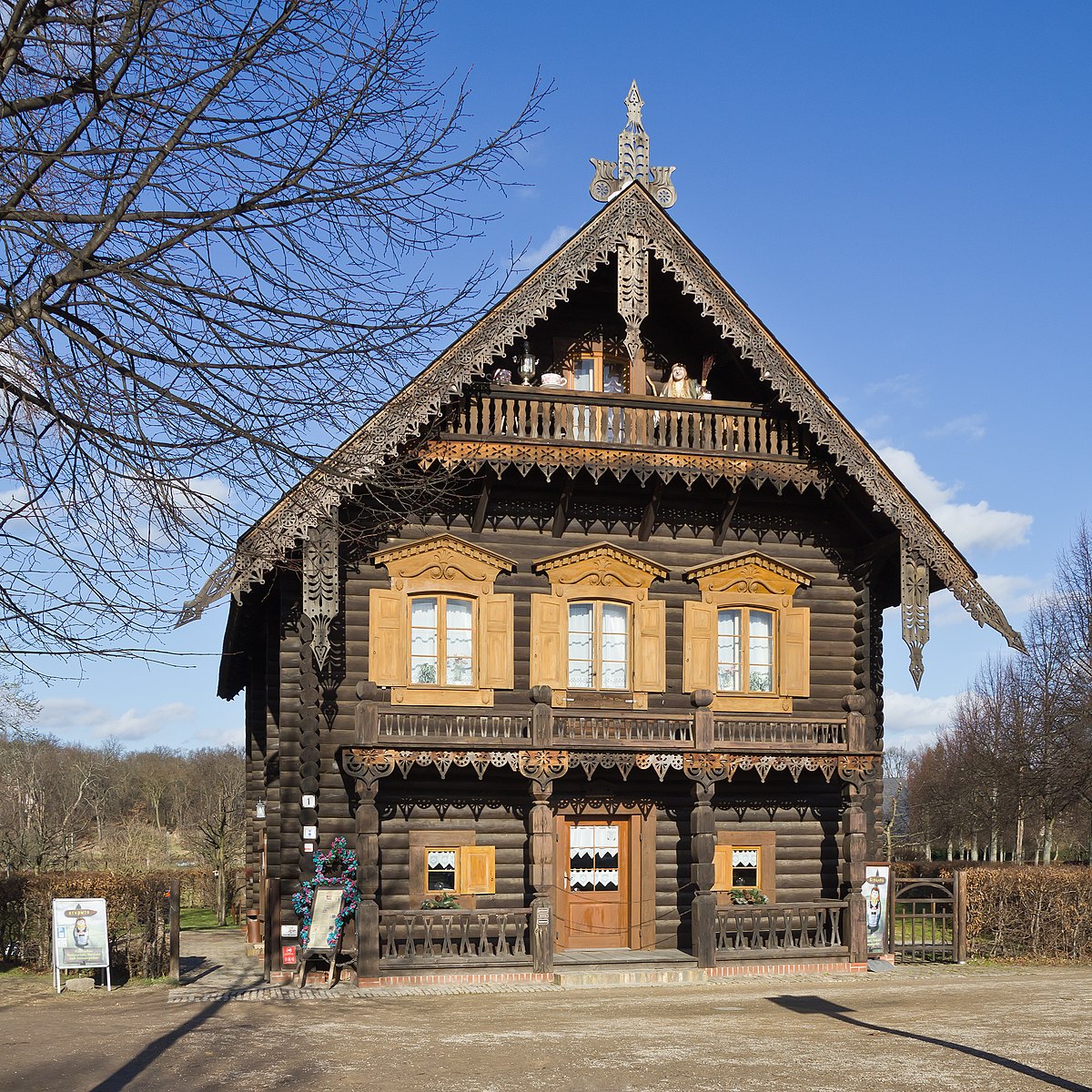
Alexandrowka
📍 Brandenburg, Germany
Located in the picturesque city of Potsdam, Germany, Alexandrowka is an intriguing architectural ensemble that reflects a unique blend of Russian and …

Alte Burg Penzlin
📍 Brandenburg, Germany
Alte Burg Penzlin, a captivating castle located in the quaint town of Penzlin, Germany, serves as a remarkable example of medieval architecture and …

Alte Dorfkirche Röxe
📍 Brandenburg, Germany
The Alte Dorfkirche Röxe stands as a poignant symbol of architectural and cultural history in the Stendal region of Germany. This church building, …
More Museums

Abbey and Altenmünster of Lorsch
📍 Baden-Württemberg, Germany
The Abbey and Altenmünster of Lorsch is a UNESCO World Heritage site located in the charming town of Lorsch, Germany. This significant cultural …
Abenteuermuseum
📍 Rhineland-Palatinate, Germany
The Abenteuermuseum, located in Germany, invites visitors to explore the wonders of adventure through its unique exhibits and engaging experiences. …

Abwasser- und Sielmuseum
📍 Hamburg, Germany
The Abwasser- und Sielmuseum, located in the heart of Hamburg-Mitte, offers a unique glimpse into the city’s historical infrastructure concerning …

Academy of Arts, Berlin
📍 Berlin, Germany
The Academy of Arts in Berlin is not just a museum; it is a prominent national institution dedicated to the advancement of the arts in Germany. …

Ackerbürgermuseum Haus Leck
📍 Hesse, Germany
Ackerbürgermuseum Haus Leck is a culturally significant museum located in Germany’s Grebenstein region, dedicated to preserving and showcasing the …

Active Museum Spiegelgasse
📍 Hesse, Germany
Active Museum Spiegelgasse is a vital institution dedicated to preserving and exploring the German-Jewish history of Wiesbaden, Germany. Located in …