
Handweberei "Henni Jaensch-Zeymer"
Overview
Handweberei “Henni Jaensch-Zeymer” is a captivating museum located in Schwielowsee, Brandenburg state, Germany, dedicated to the art of hand weaving. This unique establishment offers visitors an insight into a traditional craft that has shaped local culture and communities over generations. The museum stands out not only for its focus on weaving but also as a center for preserving and showcasing the skills and techniques of this historical craft.
Schwielowsee, situated near the picturesque shores of the Schwielow Lake, provides a serene backdrop for the museum, enhancing its appeal as a destination for both art enthusiasts and history lovers. Visitors are encouraged to explore the intricate processes involved in hand weaving, from the selection of materials to the creation of finished textiles. The museum’s commitment to education and preservation makes it a significant cultural site, contributing to the understanding of local craftsmanship and heritage.
As you step into Handweberei “Henni Jaensch-Zeymer”, you will not only witness the beauty of woven textiles but also engage with the narratives tied to these creations. This journey promises to be both enlightening and inspiring, making it a worthwhile stop on your travels.
History and Significance
Handweberei “Henni Jaensch-Zeymer” serves as a vital link to the heritage of weaving in the Brandenburg region. While detailed historical records are sparse, the museum embodies the essence of a craft that has been integral to local identity. Weaving in Germany has roots that trace back centuries, with each region developing its own techniques and styles. This museum highlights the craftsmanship that has been passed down through generations, showcasing the skills that were once essential for daily life and trade.
The museum is named after Henni Jaensch-Zeymer, a figure whose contributions to the craft are commemorated through the establishment of this space. It is dedicated to preserving traditional weaving techniques, which are at risk of being forgotten in an age of mass production. The museum not only serves as a repository of knowledge but also as a living workshop where visitors can see artisans at work.
Moreover, Handweberei “Henni Jaensch-Zeymer” plays an educational role by hosting workshops and demonstrations. These initiatives engage the community and encourage a new generation to appreciate and participate in the craft of weaving. The museum is a symbol of resilience, emphasizing the importance of cultural practices in sustaining local heritage and fostering community ties.
Architecture and Features
The architecture of Handweberei “Henni Jaensch-Zeymer” reflects its purpose as a museum dedicated to a hands-on craft. While specifics about the building’s design may not be detailed, it is likely constructed in a manner that accommodates the needs of weaving activities, with spacious areas for looms, tools, and exhibitions.
Inside, visitors are greeted with an array of weaving looms, each representing different techniques and styles. The layout is thoughtfully arranged to facilitate an understanding of the weaving process, from raw materials to finished products. The displays include various textiles, showcasing the diversity of patterns and colors achievable through traditional hand weaving methods.
In addition to the weaving equipment, the museum may feature small exhibits that delve into the history of textiles and the significance of weaving within the local culture. The combination of functionality and historical preservation makes the museum an engaging environment for visitors seeking to learn about this artisanal craft.
Visiting Information
Visiting Handweberei “Henni Jaensch-Zeymer” can be a rewarding experience for anyone interested in traditional crafts. The museum is accessible via various transport options, making it convenient for both local and international visitors. To ensure a smooth visit, it is advisable to check the official website for current information regarding hours and prices, as these details can vary.
When planning your visit, consider allocating a couple of hours to fully explore the museum. This timeframe allows you to appreciate the exhibits, observe demonstrations, and possibly participate in workshops if available. The best times to visit might coincide with special events or workshops that the museum hosts, providing a unique opportunity to engage more deeply with the craft.
The museum is likely to offer various facilities to enhance your visit, including rest areas and information points. Always check the official website for the latest updates on services and offerings.
Nearby Attractions
Schwielowsee is home to several attractions that complement a visit to Handweberei “Henni Jaensch-Zeymer”. Here are a few notable sites to consider:
- Schwielowsee Lake: Enjoy the natural beauty of the lake, perfect for leisurely walks or picnics by the water.
- Caputh Castle: A short drive away, this historic site features beautiful architecture and scenic grounds, offering insight into local history.
- Local Art Galleries: Explore nearby galleries that showcase the works of local artists, further enriching your cultural experience in the area.
- Potsdam: Just a short journey from Schwielowsee, the city of Potsdam is renowned for its palaces and parks, a UNESCO World Heritage site.
- Tropical Islands Resort: For a unique experience, visit this indoor tropical theme park, which offers a different kind of adventure.
These nearby attractions provide a well-rounded experience, combining natural beauty, history, and culture, making your visit to the region even more enriching.
Insider Tips
When visiting Handweberei “Henni Jaensch-Zeymer”, photography may be permitted but it’s best to ask first to respect any guidelines set by the museum. To avoid crowds, consider visiting during weekdays or early in the morning when the museum opens. Participating in workshops, if available, can enhance your understanding of weaving and offer a more immersive experience.
If you have a particular interest in textiles, bring along a notebook or sketchpad to jot down ideas or sketches inspired by the exhibits. This can enrich your visit and provide a personal connection to the craft.
Practical Information
When planning your visit to Handweberei “Henni Jaensch-Zeymer”, consider bringing comfortable walking shoes, as you may be exploring various exhibits and engaging in hands-on activities. Seasonal considerations can also play a role in your experience; check the weather forecast to dress appropriately for your visit.
It’s advisable to check the official website for any specific recommendations on what to bring, especially if there are workshops or special events taking place during your visit.
Frequently Asked Questions
How long should I spend visiting?
A visit typically takes around two hours, allowing enough time to explore the exhibits and watch any demonstrations.
Is photography allowed?
Photography policies may vary, so it’s best to inquire upon arrival to ensure compliance with museum guidelines.
Are there guided tours?
Check the official website for information on guided tours, as these can enhance your understanding of the exhibits.
What’s the best time to visit?
Weekdays, especially in the morning, are generally quieter and can provide a more personal experience at the museum.
Is it wheelchair accessible?
For detailed accessibility information, please refer to the official website or contact the museum directly.
Can I buy tickets online?
Ticket purchasing options may vary, so check the official website for current details on how to secure your entry.
Are there restrooms and cafes?
Facilities including restrooms may be available, but for dining options, check the official website for recommendations.
What should I wear?
Dress comfortably and consider the weather, especially if you plan to explore the surrounding area.
More in Brandenburg
Agnetenkloster
📍 Brandenburg, Germany
Agnetenkloster, a former monastery located in the heart of Magdeburg, Germany, invites visitors to explore its serene ambiance and historical …

Agroneum
📍 Brandenburg, Germany
Agroneum is a museum located in the serene landscape of Alt Schwerin, Germany. This establishment serves as a vibrant hub for those interested in the …

Alexander Nevsky Memorial Church
📍 Brandenburg, Germany
The Alexander Nevsky Memorial Church in Potsdam, Germany, offers visitors a unique glimpse into the city’s cultural and religious heritage. This …
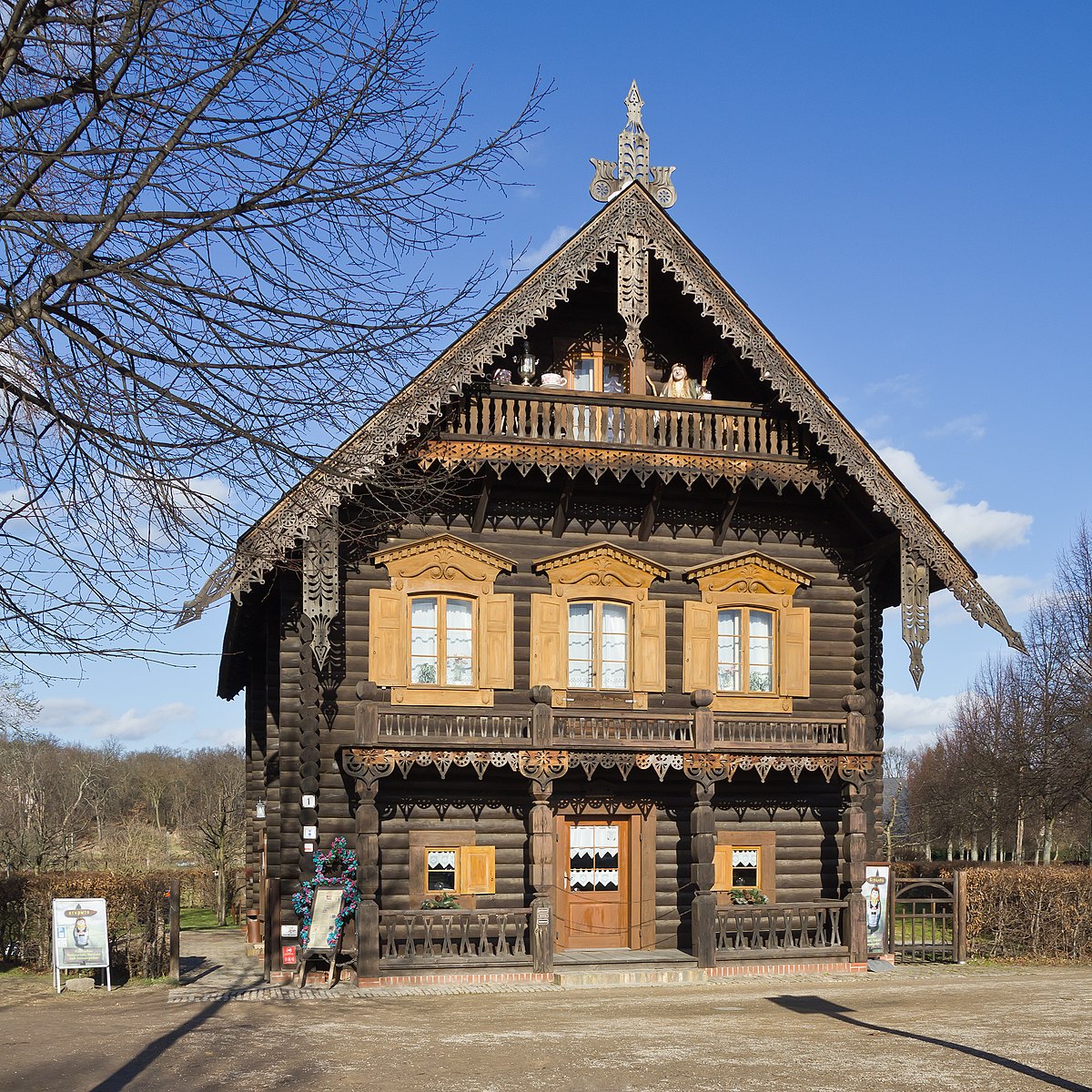
Alexandrowka
📍 Brandenburg, Germany
Located in the picturesque city of Potsdam, Germany, Alexandrowka is an intriguing architectural ensemble that reflects a unique blend of Russian and …

Alte Burg Penzlin
📍 Brandenburg, Germany
Alte Burg Penzlin, a captivating castle located in the quaint town of Penzlin, Germany, serves as a remarkable example of medieval architecture and …

Alte Dorfkirche Röxe
📍 Brandenburg, Germany
The Alte Dorfkirche Röxe stands as a poignant symbol of architectural and cultural history in the Stendal region of Germany. This church building, …
More Museums

Abbey and Altenmünster of Lorsch
📍 Baden-Württemberg, Germany
The Abbey and Altenmünster of Lorsch is a UNESCO World Heritage site located in the charming town of Lorsch, Germany. This significant cultural …
Abenteuermuseum
📍 Rhineland-Palatinate, Germany
The Abenteuermuseum, located in Germany, invites visitors to explore the wonders of adventure through its unique exhibits and engaging experiences. …

Abwasser- und Sielmuseum
📍 Hamburg, Germany
The Abwasser- und Sielmuseum, located in the heart of Hamburg-Mitte, offers a unique glimpse into the city’s historical infrastructure concerning …

Academy of Arts, Berlin
📍 Berlin, Germany
The Academy of Arts in Berlin is not just a museum; it is a prominent national institution dedicated to the advancement of the arts in Germany. …

Ackerbürgermuseum Haus Leck
📍 Hesse, Germany
Ackerbürgermuseum Haus Leck is a culturally significant museum located in Germany’s Grebenstein region, dedicated to preserving and showcasing the …

Active Museum Spiegelgasse
📍 Hesse, Germany
Active Museum Spiegelgasse is a vital institution dedicated to preserving and exploring the German-Jewish history of Wiesbaden, Germany. Located in …