Overview
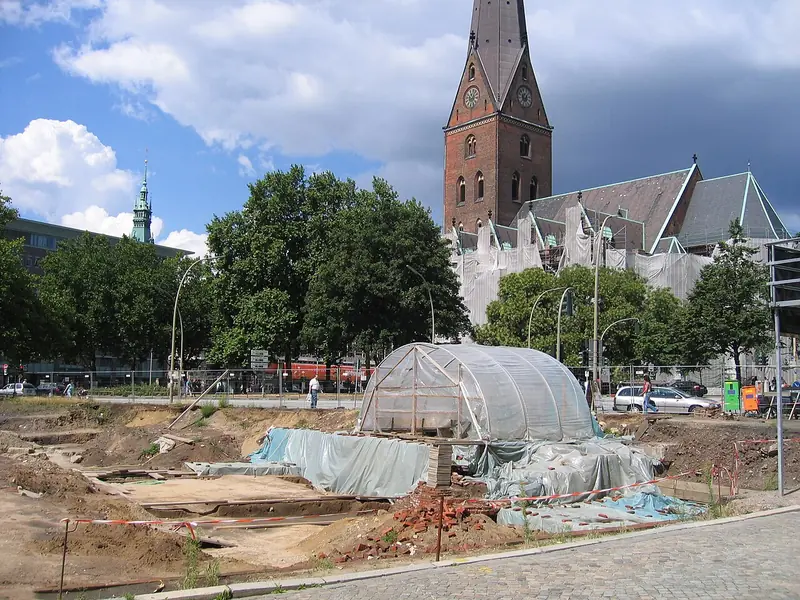
Hammaburg, the historic castle that laid the foundation for what is now Hamburg, Germany, stands as an emblem of the city’s origins and its evolution through the centuries. This fortification, strategically positioned within the heart of Hamburg, has witnessed the rise and fall of empires, serving as a critical point of defense and control throughout its storied past. Today, it offers a glimpse into the medieval architecture and military prowess that characterized the region during its formative years.
The significance of Hammaburg extends beyond its physical structure; it represents the birthplace of Hamburg, a city that has grown into one of Europe’s major ports and cultural hubs. Visitors to Hammaburg can expect to unravel layers of history while exploring the remnants of this ancient stronghold. The castle, with its historical narrative intertwined with that of the city, is a crucial site for both heritage enthusiasts and those interested in the evolution of urban development in Germany.
As you approach Hammaburg, the atmosphere is imbued with a sense of ancient resilience. The castle’s story, punctuated by battles, treaties, and the ebb and flow of power, invites exploration and reflection. Whether you are a history buff, an architecture aficionado, or simply seeking to understand Hamburg’s roots, Hammaburg offers a captivating destination.
History and Significance
The history of Hammaburg is intricately connected to the establishment of Hamburg itself. While specific dates are often debated among historians, it is widely recognized that the fortification emerged in the early medieval period, serving not only as a military stronghold but also as a center for trade and governance. Its strategic location along the waterways facilitated commerce and communication, making it a pivotal point for merchants and travelers alike.
Throughout the centuries, Hammaburg underwent various transformations, reflecting the changing political landscape of the region. The castle played a crucial role in protecting the early settlements from Viking invasions, serving as a bastion against external threats. As Hamburg grew in importance, so did Hammaburg, which became synonymous with the city’s identity.
Culturally, Hammaburg has left an indelible mark on the local populace. It symbolizes resilience and the spirit of community that has characterized Hamburg throughout its history. The castle’s ruins and surrounding areas have inspired countless stories, legends, and artistic expressions, underscoring its significance as a cultural landmark.
In contemporary times, Hammaburg stands as a reminder of the city’s medieval roots, drawing visitors who seek to engage with the historical narratives that shaped Hamburg. Its presence continues to resonate, inviting both reflection on the past and contemplation of its implications for the future.
Architecture and Features
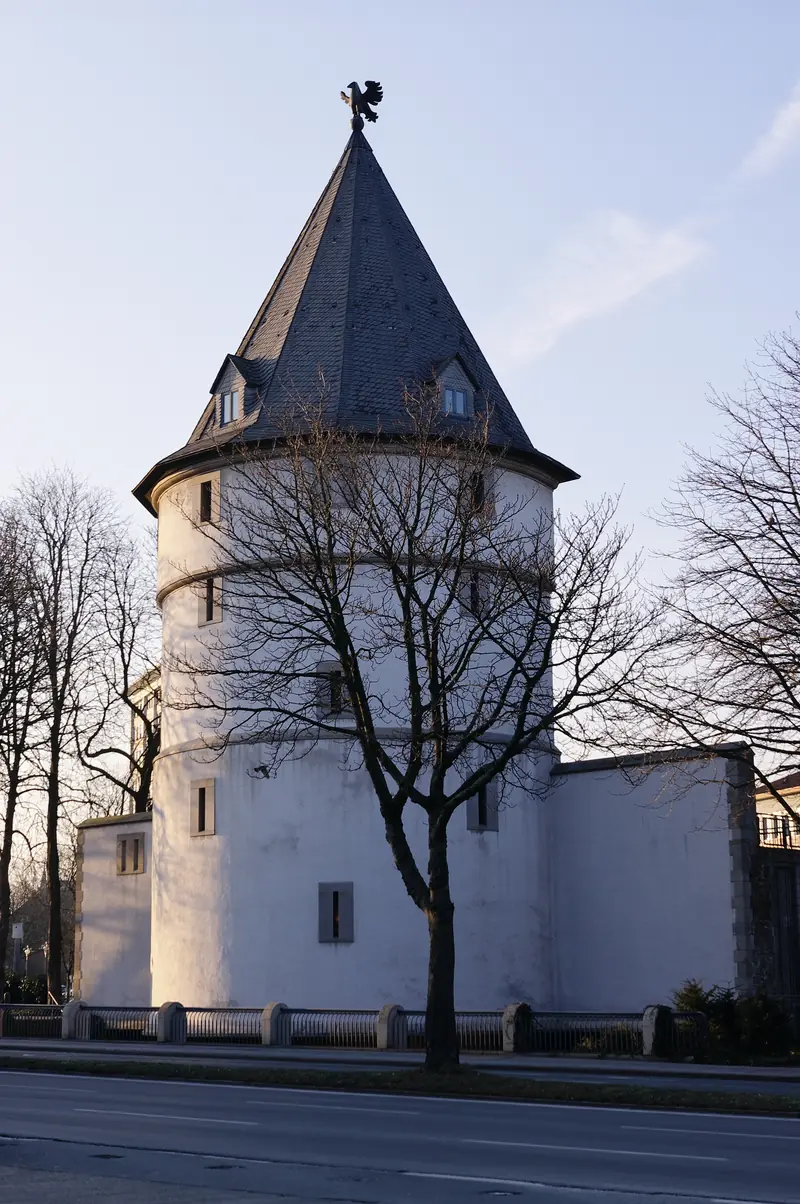
Hammaburg’s architectural features are a reflection of the medieval fortifications typical of the era. The castle was designed primarily for defense, with thick stone walls that provided protection against potential invaders. The layout of Hammaburg includes remnants of towers and ramparts, which are essential to understanding its original purpose as a fortification.
The construction of Hammaburg showcases the craftsmanship of the time, with elements that highlight both functionality and strategic design. While many of the original structures have succumbed to the ravages of time, what remains still conveys the intended strength and durability of the castle. Visitors can observe the remnants of the walls and foundations, which provide insight into the engineering techniques used during its construction.
Notable features of Hammaburg include the strategic placement of its towers, which allowed for effective surveillance and defense. The natural landscape surrounding the castle also played a role in its design, with elevations that enhanced its defensive capabilities. The integration of various architectural styles over the years has added layers to the structure, revealing the evolution of building techniques and aesthetics through the ages.
As visitors explore Hammaburg, they can appreciate the historical significance encapsulated within its walls. The castle’s enduring presence serves as a canvas upon which the stories of Hamburg’s past continue to unfold.
Visiting Information
Hammaburg is readily accessible for those wishing to explore its historical depths. The site is located in the heart of Hamburg, making it easy to reach via public transportation. Various modes of transport, including buses and trains, serve the area, allowing visitors to plan their journey with ease.
When planning a visit, be sure to check the official website for current information regarding hours of operation and any potential fees. While specific details may vary, visitors can typically expect to spend a few hours at Hammaburg, allowing ample time to explore its ruins and absorb the historical context of the site.
The best times to visit Hammaburg are during the spring and fall, when the weather is generally pleasant, making for a comfortable exploration experience. Early mornings or late afternoons can offer a quieter atmosphere, ideal for those looking to savor the site without the hustle of larger crowds.
Upon arrival, expect to encounter not only the remnants of the castle but also informative signage and potentially guided tours that delve deeper into its history and significance. Engaging with the available resources can enhance your understanding and appreciation of this historical site.
Nearby Attractions
Visitors to Hammaburg will find several other attractions in close proximity that complement the historical experience:
St. Michael’s Church (Michaeliskirche): A short distance away, this iconic baroque church features a stunning tower and offers breathtaking views of Hamburg from its observation deck.
Hamburg Museum: Located nearby, this museum provides insights into Hamburg’s history, culture, and development, enriching the context of your visit to Hammaburg.
Speicherstadt: A UNESCO World Heritage site, this historic warehouse district showcases impressive brick architecture and is home to various museums and cafes, perfect for a leisurely stroll.
Miniatur Wunderland: Also in close proximity, this model railway exhibition captures the imagination with its intricate landscapes and detailed scenes, appealing to visitors of all ages.
Elbphilharmonie: An architectural marvel, this concert hall located along the Elbe River offers guided tours and performances, making it a perfect complement to your historical exploration.
Insider Tips
For photography enthusiasts, Hammaburg presents numerous opportunities to capture its historical charm. Early morning light can create a beautiful ambiance for photographs, and the quieter hours can allow for clearer shots without interference from crowds.
To avoid larger groups, consider visiting during weekdays or outside of peak tourist seasons. This will enhance your experience, allowing you to fully appreciate the site’s historical significance without the distractions that larger crowds can bring.
Practical Information
When planning your visit to Hammaburg, it’s advisable to bring comfortable walking shoes, as you may encounter uneven terrain while exploring the site. A camera is also recommended for capturing memories of your visit.
Seasonal considerations are essential; spring and summer can bring warmer temperatures, while fall might offer cooler weather and beautiful foliage. Always check the weather forecast prior to your visit to ensure a pleasant experience.
Frequently Asked Questions
How long should I spend visiting?
A visit to Hammaburg typically takes a few hours, allowing time to explore its ruins and engage with the historical context.
Is photography allowed?
Visitors are generally permitted to take photographs of the castle and its surroundings, but be mindful of any posted restrictions.
Are there guided tours?
Guided tours may be available, offering deeper insights into Hammaburg’s history and significance. Check the official website for details.
What’s the best time to visit?
Spring and fall are considered ideal times to visit Hammaburg, thanks to pleasant weather and fewer crowds.
Is it wheelchair accessible?
Accessibility details can vary; check the official website for specific information regarding wheelchair access.
Can I buy tickets online?
Ticketing options may be available online. It is best to check the official website for current purchasing methods.
Are there restrooms and cafes?
Facilities such as restrooms and cafes may be located nearby, but it’s advisable to check the official website for specific details.
What should I wear?
Comfortable clothing and shoes are recommended, especially if you plan to explore the site extensively. Dress appropriately for the weather conditions during your visit.
With its profound historical roots, architectural significance, and role in the narrative of Hamburg, Hammaburg serves as an essential destination for anyone looking to understand the essence of this vibrant city.