
Hamburger Kunsthalle
Overview
The Hamburger Kunsthalle, located in the heart of Hamburg, Germany, stands as a significant institution within the art world, showcasing an impressive collection that spans several centuries. This art museum is not only a cultural hub for the city but also serves as a vital resource for artists, scholars, and art enthusiasts from around the globe. With its diverse collection, the Hamburger Kunsthalle offers a comprehensive overview of European art from the Middle Ages to contemporary works, making it an essential stop for anyone wishing to understand the evolution of artistic expression.
Set against the backdrop of Hamburg-Mitte, the museum’s strategic location makes it easily accessible for visitors exploring the vibrant cultural scene of the city. The Hamburger Kunsthalle is a place where the past and present converge, inviting audiences to engage with art in meaningful ways. Whether you are a passionate art lover or a casual visitor, the museum promises an enriching experience filled with discovery.
History and Significance
The Hamburger Kunsthalle has a storied history that reflects the cultural evolution of Hamburg itself. Established as an art institution, it has become a central figure in the promotion and preservation of art in Germany. The museum’s collection began with the acquisition of artworks by the city, gradually expanding over the years to include masterpieces from various movements and styles.
The museum’s cultural significance extends beyond its collection; it serves as a vital educational resource and a platform for contemporary artists. The Hamburger Kunsthalle frequently hosts exhibitions that highlight not only historical works but also contemporary art, making it a dynamic space for dialogue between past and present artistic practices. This commitment to both heritage and innovation positions the museum as a key player in the global art landscape.
As the museum evolved, it underwent several renovations and expansions, which allowed it to accommodate its growing collection and the increasing number of visitors. This transformation reflects Hamburg’s dedication to fostering a vibrant arts community and providing access to cultural experiences for all.
Architecture and Features
The architectural design of the Hamburger Kunsthalle is as captivating as the artworks it houses. The museum is a blend of historical and modern elements, with structures that have been thoughtfully integrated over time. The original building, completed in the 19th century, showcases a neoclassical style that exudes grandeur and elegance. Its imposing façade and spacious galleries create an inviting atmosphere for visitors.
Noteworthy features of the museum include the expansive exhibition halls, which are designed to accommodate a diverse range of artworks. The layout allows for both temporary and permanent exhibitions, providing flexibility in how art is displayed and experienced. The museum’s design also emphasizes natural light, enhancing the viewing experience by illuminating the intricate details of the artworks.
Throughout the museum, visitors will find various sculptures and installations that dot the landscape, further enriching the experience. These features create a dialogue between the physical space and the artworks, encouraging visitors to explore and engage with the art on multiple levels.
Visiting Information
Visiting the Hamburger Kunsthalle is a straightforward experience, thanks to its central location in Hamburg-Mitte. The museum is accessible by various modes of transportation, including public transit options such as buses and trains. Visitors can easily navigate the city to reach this cultural landmark.
Check the official website for current information on hours and ticket prices, as these may vary throughout the year. Typically, a visit to the museum can take anywhere from a couple of hours to an entire day, depending on your level of engagement with the exhibitions. It is advisable to allocate sufficient time to explore the diverse collections and special exhibitions.
To enhance your experience, consider visiting during off-peak hours, typically on weekdays or early in the morning, when the museum is less crowded. This allows for a more intimate experience with the art and the opportunity to appreciate the details without the distraction of large crowds.
Nearby Attractions
While the Hamburger Kunsthalle is a major attraction in its own right, the surrounding area also offers a variety of points of interest worth exploring:
- Alster Lake: A picturesque body of water ideal for leisurely walks, paddle boating, or simply enjoying the serene views.
- Hamburg State Opera: A cultural institution that hosts a range of performances, from opera to ballet, showcasing the artistic talents of the region.
- Deichtorhallen: A contemporary art museum located nearby, known for its exhibitions of modern art and photography.
- Museum für Kunst und Gewerbe (Museum of Arts and Crafts): A museum dedicated to decorative arts and design, offering a complementary perspective to the Hamburger Kunsthalle’s collection.
- St. Michael’s Church (Michel): An iconic baroque church that offers stunning views from its tower and serves as a landmark in the city.
Insider Tips
To make the most of your visit to the Hamburger Kunsthalle, consider these insider tips:
- Photography: While you may be tempted to capture the beauty of the artworks, check the museum’s photography policy on their official website to ensure compliance with any restrictions.
- Timing: To avoid crowds, aim to visit during weekday mornings or late afternoons. This timing can enhance your ability to appreciate the art without the distraction of large groups.
- Engage with Staff: Don’t hesitate to ask museum staff for recommendations on must-see pieces or hidden treasures within the collection. Their insights can enrich your experience.
Practical Information
When planning your visit to the Hamburger Kunsthalle, keep the following practical considerations in mind:
- What to Bring: A small bag for personal items is advisable, but be aware of any restrictions regarding larger bags. Comfortable walking shoes are recommended, as you may spend considerable time exploring the galleries.
- Seasonal Considerations: The museum is open year-round, but seasonal events or exhibitions may influence your visit. Check the official website for seasonal highlights and special events that may enhance your experience.
Frequently Asked Questions
How long should I spend visiting?
The duration of your visit can vary based on your interests, but generally, two to four hours is recommended to fully engage with the collection and exhibitions.
Is photography allowed?
Photography policies may vary, so check the official website for the most current guidelines regarding photography within the museum.
Are there guided tours?
Guided tours may be available, offering deeper insights into the collections. Check the official website for details on tour availability and scheduling.
What’s the best time to visit?
Weekday mornings or late afternoons are often less crowded, making them ideal times for a more relaxed experience.
Is it wheelchair accessible?
The Hamburger Kunsthalle is committed to accessibility. For specific details, check the official website regarding wheelchair access and facilities.
Can I buy tickets online?
Yes, tickets can generally be purchased online. Visit the official website for the latest information on ticketing options.
Are there restrooms and cafes?
Restroom facilities are available within the museum, and there may also be cafes or dining options nearby. Check the official website for specifics.
What should I wear?
Dress comfortably for a day of exploration. Layers are advisable, as museum interiors can vary in temperature.
More in Hamburg

Abaton
📍 Hamburg, Germany
Abaton is a prominent movie theater located in the vibrant Eimsbüttel district of Hamburg, Germany. This cinema is not only a hub for film enthusiasts …

Abwasser- und Sielmuseum
📍 Hamburg, Germany
The Abwasser- und Sielmuseum, located in the heart of Hamburg-Mitte, offers a unique glimpse into the city’s historical infrastructure concerning …

Adolphsplatz
📍 Hamburg, Germany
Adolphsplatz is an intriguing square located in the heart of Hamburg-Mitte, Germany’s vibrant and historic urban center. This urban space serves as a …

Adventskirche
📍 Hamburg, Germany
Adventskirche, a notable church building located in the Eimsbüttel district of Hamburg, Germany, stands out not only for its architectural features …
Afghan Museum
📍 Hamburg, Germany
The Afghan Museum in Hamburg-Mitte offers a unique glimpse into the culture and history of Afghanistan, presenting visitors with a curated experience …

Ahrensburg Castle
📍 Hamburg, Germany
Ahrensburg Castle, a striking château located in the charming town of Ahrensburg, Germany, serves as a captivating representation of the region’s …
More Art Museums

Aachen Cathedral Treasury
📍 North Rhine-Westphalia, Germany
Aachen Cathedral Treasury, located in the historic city of Aachen, Germany, is a remarkable art museum that houses an impressive collection of …

Abteiberg Museum
📍 North Rhine-Westphalia, Germany
In the heart of Mönchengladbach, Germany, the Abteiberg Museum stands out as a prominent destination for art enthusiasts and cultural explorers alike. …

Akademisches Kunstmuseum
📍 North Rhine-Westphalia, Germany
In the heart of Bonn, Germany, lies the Akademisches Kunstmuseum, an art museum that invites visitors to explore a diverse collection of artworks …

Albertinum
📍 Saxony, Germany
Albertinum is a prominent art museum located in the heart of Dresden, Germany, serving as a significant cultural institution in the region. …

Albrecht Dürer's House
📍 Bavaria, Germany
Albrecht Dürer’s House stands as a significant cultural landmark in Nuremberg, Germany, celebrating the life and work of one of the Renaissance’s most …
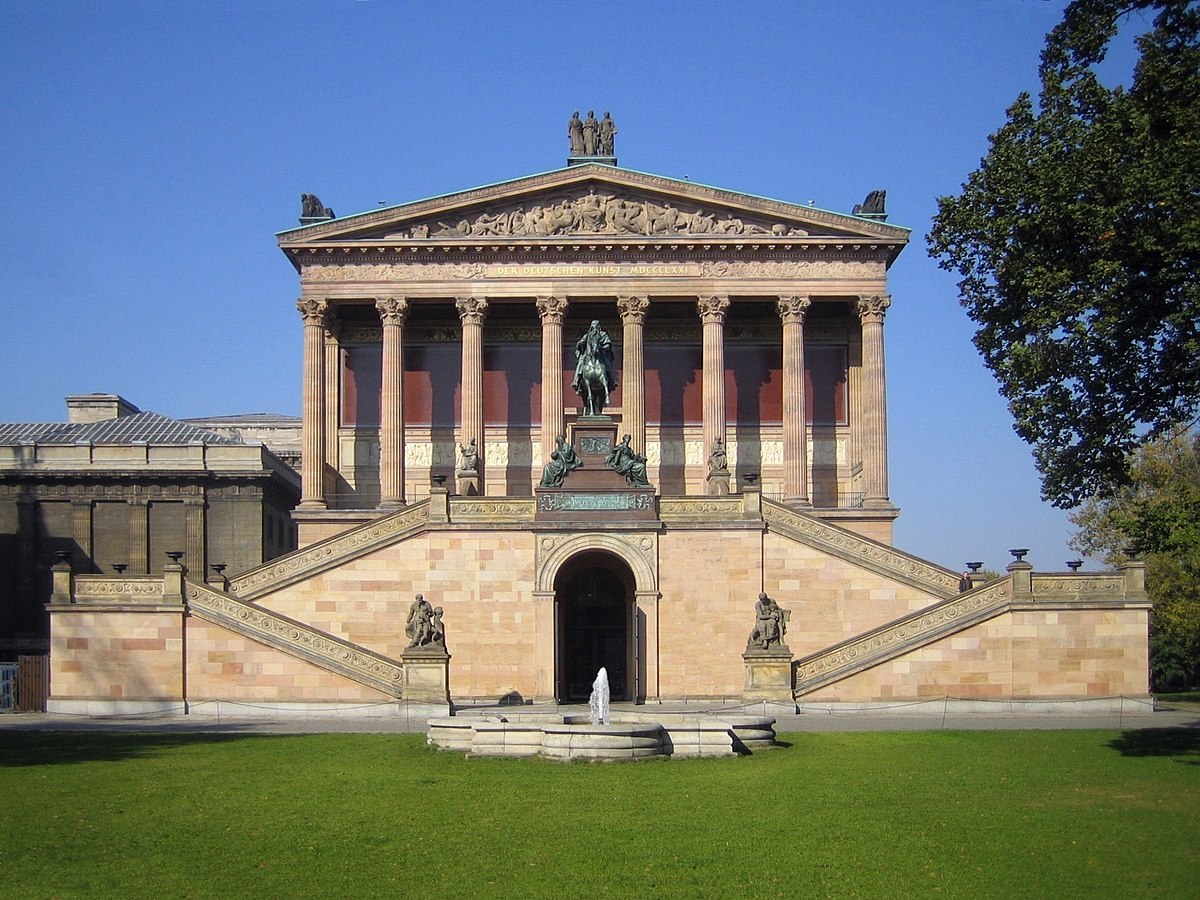
Alte Nationalgalerie
📍 Berlin, Germany
The Alte Nationalgalerie, an esteemed art museum located in Berlin’s Bezirk Mitte, is a cornerstone of cultural appreciation in Germany. This museum …