Overview
The Hamburg Museum of Work invites visitors into a world that documents the evolution of labor and its profound impact on society. Situated in the bustling city of Hamburg, Germany, this museum stands as a vital resource for understanding the historical context of work and industry in one of Europe’s most significant port cities. The museum’s collection encompasses a range of exhibits that showcase the intricacies of labor, from the rise of industrialization to the modern workplace. By exploring the experiences of workers across various sectors, the Hamburg Museum of Work provides crucial insights into the social and economic changes that have shaped contemporary life.
As you step into the museum, you are welcomed by an environment that encourages reflection on the role of work in human experience. The museum not only highlights the technological advancements in industry but also addresses the social issues and worker rights that have emerged throughout history. Visitors are promised an engaging experience that blends education with thought-provoking narratives, making it a must-visit destination for history enthusiasts, educators, and anyone curious about the dynamics of work in our lives.
History and Significance
The Hamburg Museum of Work emerges from the rich backdrop of Hamburg’s economic development, particularly its significance as a trading hub. Established to capture the essence of labor and its transformation, the museum curates a comprehensive narrative that reflects the changing tides of work over the years. It serves as a significant cultural institution, offering a lens through which to view the evolution of labor practices, the rise of various industries, and the conditions faced by workers.
The museum’s exhibits delve into key themes such as industrial labor, craftsmanship, and the impact of technological innovation. Through a series of displays, it recounts the stories of workers from diverse backgrounds and professions, illustrating how their contributions have been pivotal to Hamburg’s identity. The narrative includes the struggles for workers’ rights and the social movements that have emerged in response to changing economic conditions.
In addition to its focus on labor history, the Hamburg Museum of Work plays an essential role in fostering discussions around modern workplace issues, such as work-life balance and the implications of automation. This relevance to contemporary societal challenges underscores the museum’s importance as a platform for education and dialogue, highlighting the ongoing evolution of work in the context of globalization and technological advancement.
Architecture and Features
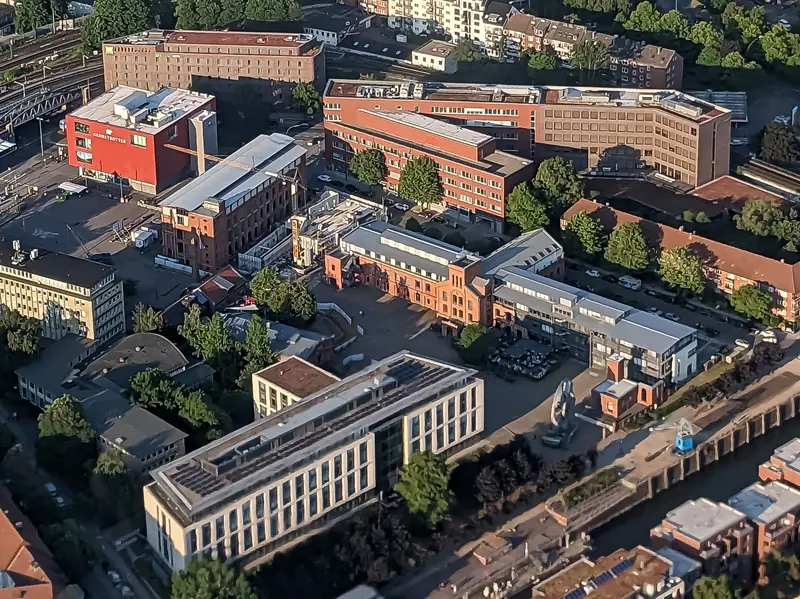
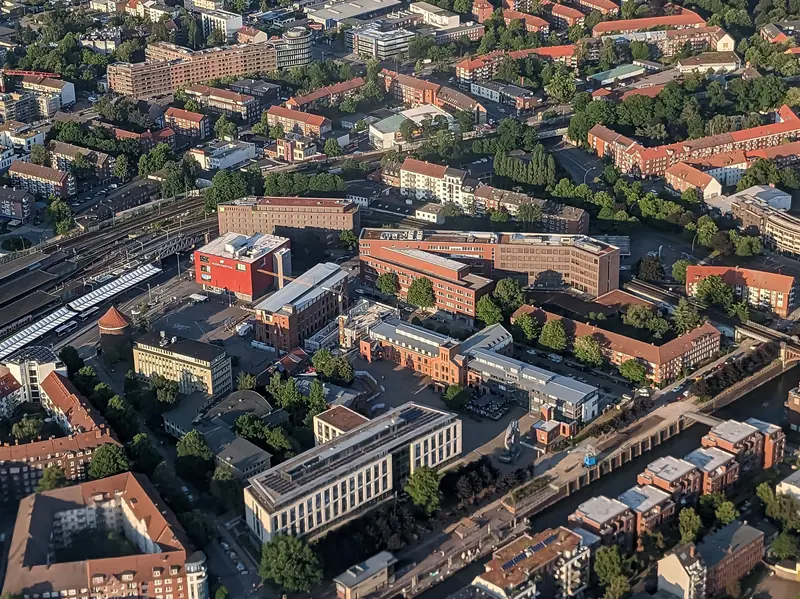
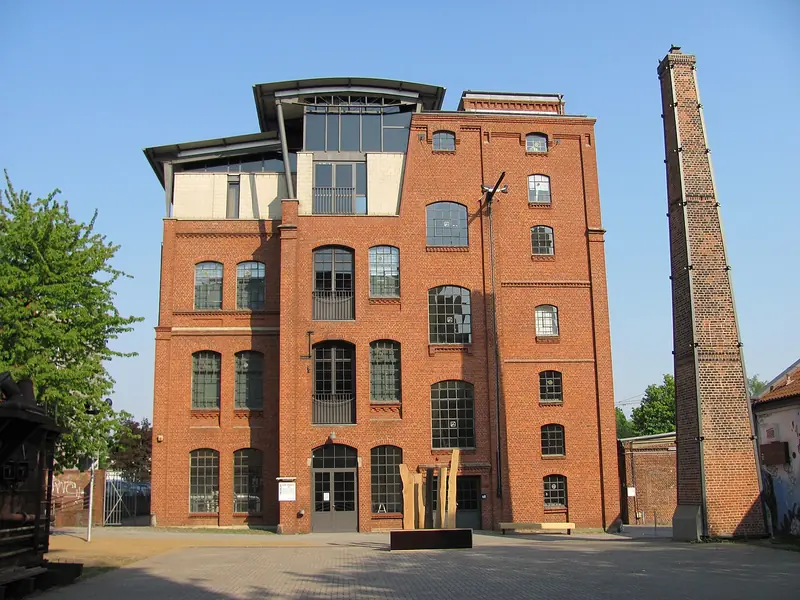
While the Hamburg Museum of Work is primarily recognized for its extensive collection and educational programming, its physical structure also contributes to the visitor experience. The museum is housed in a building that reflects the industrial heritage of Hamburg. The architecture is characterized by its utilitarian design, echoing the functionality of the workplaces it represents.
Inside, the museum features spacious exhibition halls that allow for a diverse array of displays and installations. Visitors can expect to encounter a mix of traditional artifacts and modern multimedia presentations that bring historical narratives to life. The layout is designed to facilitate ease of movement, guiding visitors through different themes and periods in labor history.
Noteworthy features include interactive displays that engage visitors of all ages, encouraging them to explore the various aspects of work and its implications. The museum also provides educational resources and workshops aimed at deepening understanding of labor issues, making it more than just a repository of objects but a dynamic space for learning.
Visiting Information
To make the most of your visit to the Hamburg Museum of Work, consider how to get there and what to expect during your time at the museum. While specific details regarding hours and ticket prices may vary, it is recommended to check the official website for the most current information.
The museum is accessible via public transportation, making it easy to reach from various parts of the city. Visitors can expect to spend a few hours exploring the exhibits, depending on personal interest and engagement with the displays. Consider visiting during weekdays or early in the day to avoid peak times, ensuring a more leisurely experience.
Inside, you will find a range of exhibits that cater to diverse interests, from historical artifacts to interactive installations. Be prepared for a thought-provoking experience that may inspire discussions about the nature of work and its evolution.
Nearby Attractions
After visiting the Hamburg Museum of Work, there are several nearby attractions that can enhance your experience in the city:
- Hamburg Harbor: One of the largest ports in Europe, it offers a vibrant atmosphere and opportunities for boat tours.
- Miniatur Wunderland: This is the world’s largest model railway and a fascinating display of miniature landscapes and cities.
- Speicherstadt: A UNESCO World Heritage site, this historic warehouse district is known for its stunning brick architecture and canals.
- Elbphilharmonie: An architectural marvel, this concert hall offers stunning views of the city and hosts a variety of musical events.
- St. Michael’s Church: This iconic church features a towering steeple and offers panoramic views of Hamburg from its observation platform.
These attractions enrich your visit to Hamburg, providing a well-rounded experience of the city’s cultural and historical offerings.
Insider Tips
To enhance your visit to the Hamburg Museum of Work, consider a few helpful insider tips. For photography enthusiasts, be sure to check the museum’s policy on photography, as some exhibits may have restrictions. Early mornings or weekday visits are ideal for avoiding crowds, allowing for a more immersive experience with the displays.
Another tip is to take advantage of any guided tours or educational programs offered at the museum. These can provide deeper insights into the exhibits and enhance your understanding of the themes presented.
Practical Information
When planning your visit, it’s essential to consider what to bring. Comfortable walking shoes are recommended, as you will likely be exploring multiple exhibits. If visiting during the colder months, dress in layers, as museum environments can vary in temperature.
Seasonal considerations may also affect your visit, so be sure to check the official website for any special events or exhibits that may coincide with your travel dates.
Frequently Asked Questions
How long should I spend visiting?
Most visitors find that spending around two to three hours is sufficient to explore the museum’s exhibits.
Is photography allowed?
Photography policies can vary, so it is best to check with museum staff upon arrival.
Are there guided tours?
Yes, the museum may offer guided tours. Check the official website for scheduling and availability.
What’s the best time to visit?
Weekdays or early mornings are often less crowded, providing a more relaxed experience.
Is it wheelchair accessible?
The museum is generally accessible, but it’s advisable to confirm specific accessibility features on the official website.
Can I buy tickets online?
Yes, tickets may be available for purchase online. Visit the museum’s official website for details.
Are there restrooms and cafes?
The museum typically provides restroom facilities, and there may be a café or snack bar on-site. Confirm details on the official website.
What should I wear?
Dress comfortably for walking around the museum, and consider seasonal weather when planning your outfit.
Photo Gallery