
Händel-Haus
Overview
Händel-Haus, located in Halle (Saale), Germany, is a museum dedicated to the life and work of the renowned composer George Frederic Handel, who was born here. The museum is a significant cultural landmark, celebrating not only Handel’s contributions to music but also the rich musical heritage of the region. Visitors to Händel-Haus can immerse themselves in the world of Baroque music and explore the influences that shaped one of classical music’s greatest figures. The museum offers a chance to engage with Handel’s story through artifacts, exhibitions, and performances, making it a vital stop for music lovers and history enthusiasts alike.
The museum’s setting in Halle adds to its allure, as the city is known for its vibrant cultural scene and historical significance. By visiting Händel-Haus, you can better appreciate the context in which Handel created his masterpieces. The museum serves as a portal into the past, revealing the influences and environments that nurtured Handel’s talents and innovations.
History and Significance
George Frederic Handel was born in 1685 in Halle, a city that has long played a pivotal role in Germany’s cultural landscape. His early life in this region was marked by a rich musical environment that would significantly influence his later works. Handel’s career spanned various European cities, including Hamburg, London, and Venice, where he became a leading figure in the Baroque music scene.
Händel-Haus stands on the site of his birthplace, which has been preserved and transformed into a museum to honor his legacy. The museum serves not only as a tribute to Handel but also as a reflection of the broader cultural movements of the time, including the rise of opera, oratorio, and instrumental music. Visiting the museum provides insight into how Handel’s innovative compositions redefined musical forms and captivated audiences across Europe.
The significance of Händel-Haus extends beyond its association with Handel; it is also a center for musical research and education. The museum regularly hosts concerts, lectures, and workshops, fostering a deeper appreciation for Handel’s music and its lasting impact on subsequent generations of composers and musicians. It stands as a crucial hub for those wishing to explore the evolution of Western classical music.
Architecture and Features
Händel-Haus is characterized by its historical architecture, which reflects the style prevalent during Handel’s lifetime. The building itself offers a glimpse into the past, with features that have been preserved to honor its historical significance. The museum’s layout allows for a thoughtful presentation of Handel’s life and work, with rooms dedicated to various aspects of his career.
Inside, visitors will find a range of exhibits that include manuscripts, original scores, and personal artifacts related to Handel. The museum’s design encourages exploration, with interactive displays that invite guests to engage with the music and the historical context in which it was created.
One of the notable features of Händel-Haus is the concert hall, which is used for performances that showcase Handel’s compositions. This space not only enhances the visitor experience but also serves as a venue for contemporary musicians to interpret and perform works that have stood the test of time.
The blend of historical artifacts and modern exhibition techniques creates an engaging environment that highlights the enduring relevance of Handel’s music.
Visiting Information
Händel-Haus is conveniently located in Halle (Saale), making it accessible for both local and international visitors. To reach the museum, various transport options are available, including public buses and trains that connect to major cities in Germany. The museum’s coordinates are 51.4842, 11.9669, which can assist in navigation.
To ensure a fulfilling visit, check the official website for current information regarding opening hours and ticket prices. The museum offers a range of exhibits and activities, so allocating 1 to 2 hours for your visit is advisable. This timeframe allows for a comprehensive exploration of the displays and any scheduled performances.
The best times to visit Händel-Haus are during weekdays, when crowds tend to be smaller. Additionally, visiting during special events or concerts can enhance your experience, as the atmosphere is often enriched by live music.
Nearby Attractions
While in Halle, consider exploring other notable attractions that complement your visit to Händel-Haus:
- Marktkirche: This stunning Gothic church is located nearby and is known for its impressive architecture and historical significance.
- Moritzburg: This Renaissance castle houses an art museum and offers beautiful gardens and scenic views of the surrounding area.
- Halle State Museum of Prehistory: A fascinating museum that showcases archaeological finds from the region, providing insight into the area’s history long before Handel’s time.
- Giebichenstein Castle: An ancient castle that offers a glimpse into the region’s feudal history, along with panoramic views of the Saale River.
- Botanical Garden: A serene space that features diverse plant species and is perfect for a leisurely stroll after your museum visit.
Insider Tips
To make the most of your visit to Händel-Haus, consider these insider tips:
- Photography: Be mindful of the museum’s photography policies. While some areas may allow photography, it’s always best to check for any restrictions, especially during performances.
- Crowd Avoidance: To avoid larger crowds, plan your visit during weekdays rather than weekends. Early mornings or late afternoons can also be quieter times to explore the museum.
Practical Information
When visiting Händel-Haus, it’s advisable to bring a few essentials for a comfortable experience. Comfortable walking shoes are recommended, as you may spend considerable time exploring the museum and its exhibits.
Seasonal considerations can also impact your visit. During the winter months, the museum may have special holiday events or concerts, while summer may offer outdoor performances. Always check the official website for any seasonal programming that may enhance your visit.
Frequently Asked Questions
How long should I spend visiting?
A visit typically takes 1 to 2 hours, allowing ample time to explore the exhibits and enjoy any performances.
Is photography allowed?
Photography policies can vary, so it’s best to check with museum staff upon arrival.
Are there guided tours?
The museum may offer guided tours; check the official website for details and availability.
What’s the best time to visit?
Weekdays are generally quieter, making them ideal for a more intimate experience with the exhibits.
Is it wheelchair accessible?
For specific accessibility options and information, please check the official website.
Can I buy tickets online?
Ticket purchasing options may be available online. It’s advisable to check the official website for current information.
Are there restrooms and cafes?
Visitors can find restrooms on-site; however, it’s best to check the official website for information on dining options.
What should I wear?
Dress comfortably for walking, and consider the weather when planning your visit, as it may influence your overall experience.
Händel-Haus invites visitors into the world of George Frederic Handel, offering a unique opportunity to explore the life and legacy of one of classical music’s greats. Plan your visit to this remarkable museum to gain a deeper appreciation for Handel’s enduring influence on music and culture.
More in Brandenburg
Agnetenkloster
📍 Brandenburg, Germany
Agnetenkloster, a former monastery located in the heart of Magdeburg, Germany, invites visitors to explore its serene ambiance and historical …

Agroneum
📍 Brandenburg, Germany
Agroneum is a museum located in the serene landscape of Alt Schwerin, Germany. This establishment serves as a vibrant hub for those interested in the …

Alexander Nevsky Memorial Church
📍 Brandenburg, Germany
The Alexander Nevsky Memorial Church in Potsdam, Germany, offers visitors a unique glimpse into the city’s cultural and religious heritage. This …
Alexandrowka
📍 Brandenburg, Germany
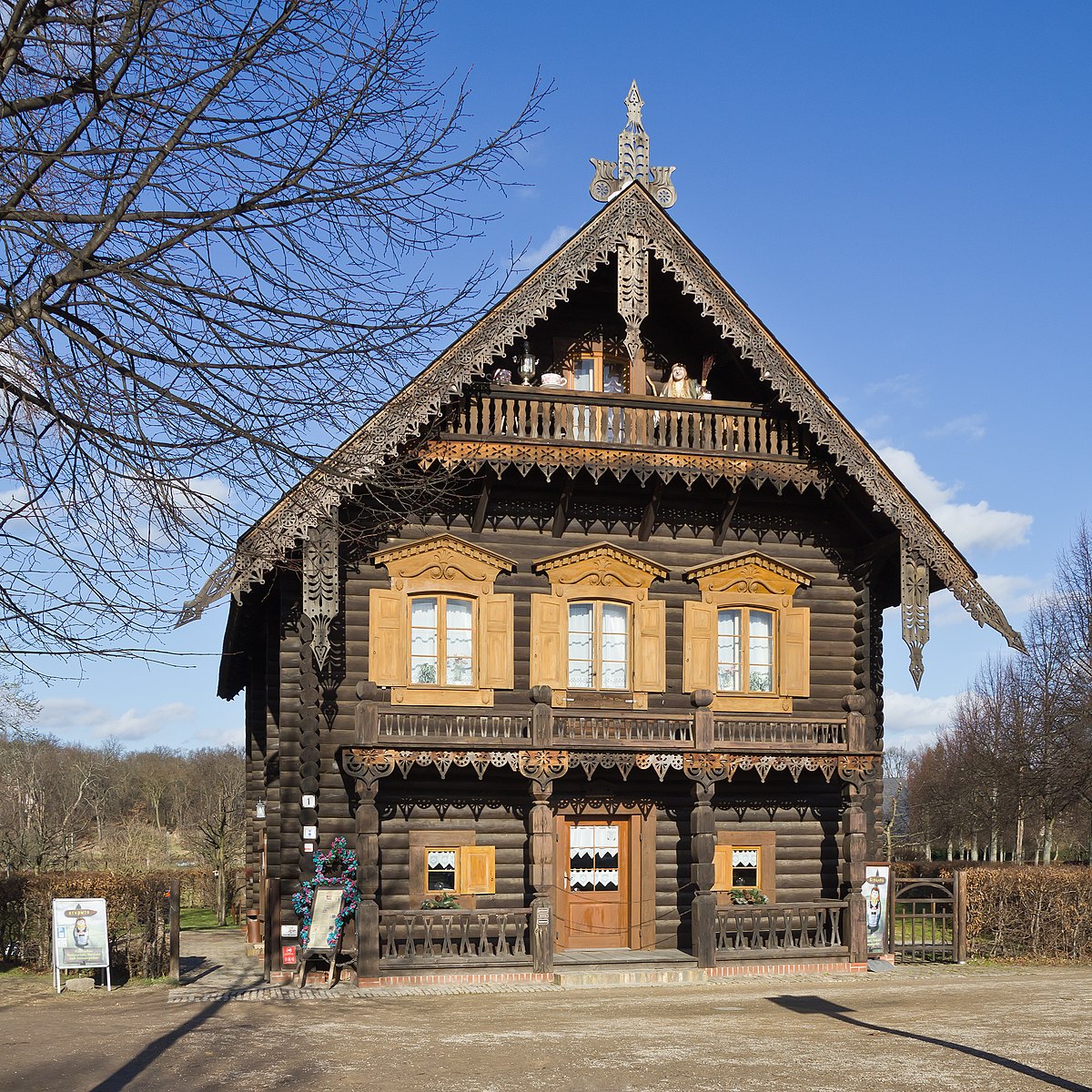
Located in the picturesque city of Potsdam, Germany, Alexandrowka is an intriguing architectural ensemble that reflects a unique blend of Russian and …

Alte Burg Penzlin
📍 Brandenburg, Germany
Alte Burg Penzlin, a captivating castle located in the quaint town of Penzlin, Germany, serves as a remarkable example of medieval architecture and …

Alte Dorfkirche Röxe
📍 Brandenburg, Germany
The Alte Dorfkirche Röxe stands as a poignant symbol of architectural and cultural history in the Stendal region of Germany. This church building, …
More Museums

Abbey and Altenmünster of Lorsch
📍 Baden-Württemberg, Germany
The Abbey and Altenmünster of Lorsch is a UNESCO World Heritage site located in the charming town of Lorsch, Germany. This significant cultural …
Abenteuermuseum
📍 Rhineland-Palatinate, Germany
The Abenteuermuseum, located in Germany, invites visitors to explore the wonders of adventure through its unique exhibits and engaging experiences. …

Abwasser- und Sielmuseum
📍 Hamburg, Germany
The Abwasser- und Sielmuseum, located in the heart of Hamburg-Mitte, offers a unique glimpse into the city’s historical infrastructure concerning …

Academy of Arts, Berlin
📍 Berlin, Germany
The Academy of Arts in Berlin is not just a museum; it is a prominent national institution dedicated to the advancement of the arts in Germany. …

Ackerbürgermuseum Haus Leck
📍 Hesse, Germany
Ackerbürgermuseum Haus Leck is a culturally significant museum located in Germany’s Grebenstein region, dedicated to preserving and showcasing the …

Active Museum Spiegelgasse
📍 Hesse, Germany
Active Museum Spiegelgasse is a vital institution dedicated to preserving and exploring the German-Jewish history of Wiesbaden, Germany. Located in …