
Hackesche Höfe
Overview
Hackesche Höfe is an architectural ensemble that showcases the rich cultural and historical fabric of Berlin. Located in the Bezirk Mitte district, this collection of interconnected courtyards and buildings reflects the city’s vibrant urban evolution and architectural diversity. As a significant landmark, Hackesche Höfe serves not only as a reminder of Berlin’s past but also as a lively hub for contemporary life, housing a variety of shops, galleries, and eateries that draw both locals and tourists alike.
The ensemble is characterized by its unique blend of architectural styles, merging elements of late 19th-century industrial design with modern influences. Visitors can explore the intricate passageways and discover the creative spirit that defines this area, making it a must-visit location for those interested in Berlin’s architectural heritage and urban culture. Whether you are an architecture enthusiast or simply looking to enjoy the vibrant atmosphere, Hackesche Höfe promises an engaging experience.
History and Significance
The origins of Hackesche Höfe date back to the late 19th century when the area was developed as a response to the rapid urbanization of Berlin. Originally designed as a series of courtyards to accommodate various commercial enterprises, these spaces played a pivotal role in the city’s burgeoning economy. The architectural ensemble reflects the industrial aesthetics of the time, characterized by red brick facades, large windows, and decorative elements that speak to the craftsmanship of the era.
As Berlin evolved through the 20th century, the significance of Hackesche Höfe transformed. The site has witnessed the city’s tumultuous history, including the impacts of World War II and the subsequent division of East and West Berlin. In the post-war years, the area fell into disrepair, with many buildings neglected and abandoned. However, the reunification of Germany in the early 1990s marked a resurgence for Hackesche Höfe, leading to extensive restoration efforts that aimed to preserve its historical integrity while revitalizing the space for modern use.
Today, Hackesche Höfe stands as a cultural landmark within Berlin, drawing visitors with its eclectic mix of businesses, from artisanal shops to contemporary art galleries. The ensemble is not just an architectural site but a thriving community hub that fosters creativity and innovation, making it an integral part of Berlin’s identity.
Architecture and Features
Hackesche Höfe is a prime example of late 19th-century industrial architecture, showcasing a harmonious blend of functionality and aesthetic appeal. The ensemble consists of several interconnected courtyards, each with its own unique character and charm. The red brick buildings, adorned with wrought iron elements and decorative tiles, create a visually striking environment that invites exploration.
One of the notable features of Hackesche Höfe is its intricate network of passageways that connect the different courtyards. These passages are lined with a variety of shops, cafes, and galleries, allowing visitors to wander and discover the diverse offerings within the ensemble. The courtyards themselves often serve as venues for cultural events, art exhibitions, and performances, contributing to the lively atmosphere.
In addition to its architectural beauty, Hackesche Höfe is home to several artistic installations and murals that reflect the contemporary creative scene in Berlin. The combination of historical architecture with modern artistic expressions creates a dynamic juxtaposition, making the ensemble a fascinating place to visit for anyone interested in the interplay between past and present.
Visiting Information
Located in the heart of Berlin’s Bezirk Mitte, Hackesche Höfe is easily accessible by various modes of transport. The nearest public transport stations include tram and metro stops, which connect to the broader Berlin transport network. For those traveling by car, street parking may be limited, so consider using public transport or nearby parking facilities.
Visitors can expect a vibrant atmosphere filled with activity, especially during weekends when both locals and tourists flock to the area. The ensemble typically features a mix of shops, cafes, and cultural activities, making it an engaging place to spend several hours. The time needed for a visit can vary depending on individual interests; however, a leisurely exploration of the courtyards and surrounding businesses can easily take between two to four hours.
For the most accurate and updated information regarding visiting hours and any potential entry fees, check the official website before planning your visit. This will ensure you have the latest details regarding what to expect during your time at Hackesche Höfe.
Nearby Attractions
Hackesche Höfe is surrounded by several attractions that complement a visit to this architectural ensemble:
Museum Island: A UNESCO World Heritage Site, this complex houses five major museums, including the Pergamon Museum and the Alte Nationalgalerie, showcasing art and artifacts from various eras.
Hackescher Markt: This lively square is known for its vibrant atmosphere, filled with shops, restaurants, and bars, making it an excellent place to relax after exploring Hackesche Höfe.
Berlin Wall Memorial: Located not far from the ensemble, this memorial offers insights into the history of the Berlin Wall and its impact on the city.
Rosenthaler Platz: A popular square that features numerous cafes and shops, ideal for enjoying a meal or a coffee while soaking up the local atmosphere.
Schaubühne am Lehniner Platz: A renowned theater known for its innovative productions and performances, providing a taste of Berlin’s contemporary cultural scene.
Insider Tips
To make the most of your visit to Hackesche Höfe, consider the following insider tips:
Photography: The architectural details and vibrant street art provide excellent opportunities for photography. Early morning or late afternoon light can enhance your photos, so plan your visit accordingly.
Crowd Avoidance: If you prefer a quieter experience, consider visiting during weekdays or earlier in the day. Weekends can be particularly busy, especially during peak tourist seasons.
Practical Information
When preparing for your visit to Hackesche Höfe, consider the following:
What to Bring: Comfortable walking shoes are recommended, as you will likely be exploring the courtyards and surrounding area on foot. A camera is also a great addition for capturing the unique architecture and vibrant scenes.
Seasonal Considerations: Berlin experiences a range of weather conditions throughout the year. Spring and early autumn are often ideal for outdoor exploration, while winter can bring cold temperatures, so dress accordingly if visiting during these months.
Frequently Asked Questions
How long should I spend visiting?
A visit to Hackesche Höfe typically takes between two to four hours, depending on your interest in exploring shops and galleries.
Is photography allowed?
Yes, photography is generally allowed throughout Hackesche Höfe, but be mindful of any specific restrictions in certain shops or galleries.
Are there guided tours?
While there are no specific guided tours of Hackesche Höfe, you can explore the area independently or join a broader architectural tour of Berlin.
What’s the best time to visit?
Weekdays during the morning or early afternoon tend to be less crowded, making for a more relaxed experience.
Is it wheelchair accessible?
Hackesche Höfe features several accessible pathways, but it’s advisable to check specific areas in advance for full accessibility.
Can I buy tickets online?
For the latest information on any entry fees or events, check the official website.
Are there restrooms and cafes?
Yes, there are restrooms available within the complex, as well as various cafes and eateries to choose from.
What should I wear?
Dress comfortably for walking and consider the weather conditions during your visit, particularly if you plan to explore outdoor areas.
More in Berlin

144., 176. und 184. Gemeindeschule
📍 Berlin, Germany
The 144., 176. und 184. Gemeindeschule, an architectural ensemble located in the vibrant city of Berlin, stands as a noteworthy example of educational …

Academy of Arts (Hanseatenweg)
📍 Berlin, Germany
The Academy of Arts (Hanseatenweg) stands as an emblem of Berlin’s vibrant cultural landscape, located in the historic Hansaviertel district. Renowned …

Academy of Arts, Berlin
📍 Berlin, Germany
The Academy of Arts in Berlin is not just a museum; it is a prominent national institution dedicated to the advancement of the arts in Germany. …

Academy of the Konrad-Adenauer-Stiftung
📍 Berlin, Germany
The Academy of the Konrad-Adenauer-Stiftung, located in the heart of Berlin, is not just a foundation but a hub of intellectual discourse and …

ACUD
📍 Berlin, Germany
Located in the heart of Berlin’s Bezirk Mitte, ACUD serves as a vibrant cultural center and cinema, showcasing an array of films and events that …

Admiralspalast
📍 Berlin, Germany
Admiralspalast is a prominent theatre and event venue located in the heart of Berlin, Germany. This architectural gem serves as a cultural hub, …
More Architectural Ensembles
144., 176. und 184. Gemeindeschule
📍 Berlin, Germany
The 144., 176. und 184. Gemeindeschule, an architectural ensemble located in the vibrant city of Berlin, stands as a noteworthy example of educational …

Adelheidstraße 3–7, 9–12, 12a, 14, 15, 22–31, Amelungstraße 1, Friedrich-Ebert-Platz
📍 Lower Saxony, Germany
In the heart of Quedlinburg, Germany, lies a captivating architectural ensemble that reflects the town’s historical significance and cultural …

Aegidiimarkt
📍 Lower Saxony, Germany
Aegidiimarkt is a captivating architectural ensemble located in the heart of Münster, Germany. This vibrant square not only serves as a hub for local …
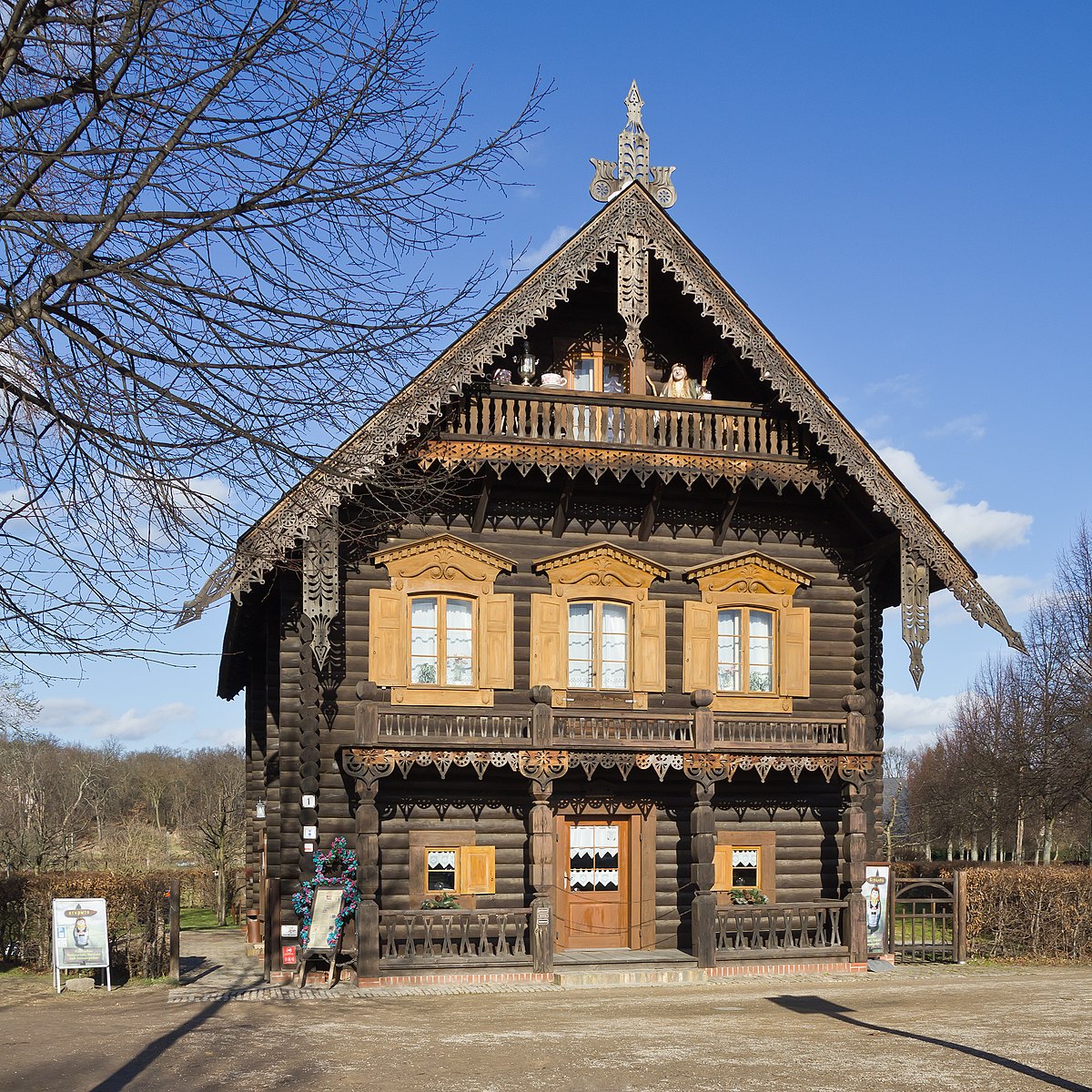
Alexandrowka
📍 Brandenburg, Germany
Located in the picturesque city of Potsdam, Germany, Alexandrowka is an intriguing architectural ensemble that reflects a unique blend of Russian and …

Alhauser Hammer
📍 North Rhine-Westphalia, Germany
Alhauser Hammer is a remarkable architectural ensemble located in Ennepetal, Germany, known for its historical significance as a water-driven hammer …

Alsdorfer Ölmühle
📍 North Rhine-Westphalia, Germany
The Alsdorfer Ölmühle, an architectural ensemble located in the heart of Alsdorf, Germany, is a remarkable example of a traditional watermill that …