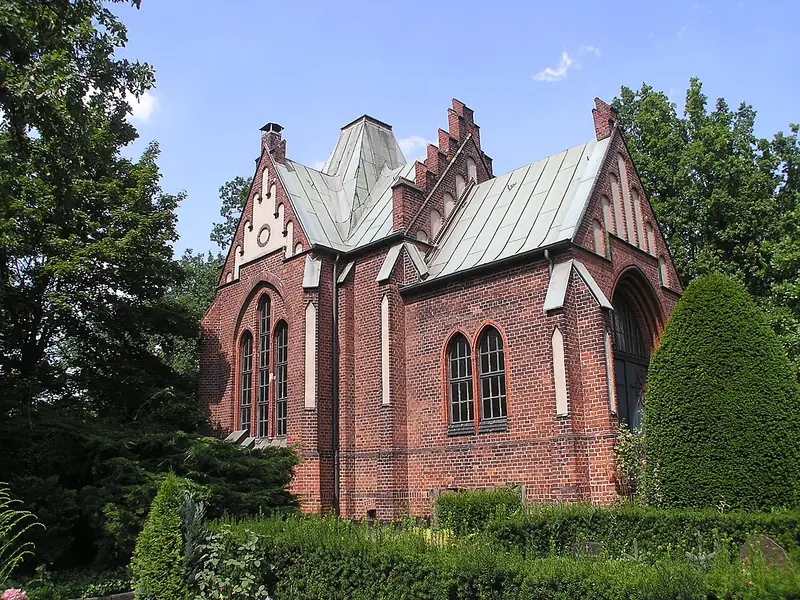
Overview
Grunewald Cemetery, located in Berlin, Germany, offers a solemn yet captivating glimpse into the cultural and historical fabric of the city. As a significant burial site, it serves as the final resting place for many notable figures, reflecting the rich heritage of Berlin. The serene environment, characterized by mature trees and well-maintained pathways, invites visitors to wander thoughtfully through its grounds. The cemetery not only functions as a memorial but also as an open-air museum, showcasing the artistic expressions and architectural styles that mark the final tributes to those interred within its boundaries.
This historic cemetery is set against the backdrop of Berlin’s vibrant urban landscape, providing a stark contrast to the city’s bustling life. Grunewald Cemetery is not just a site of remembrance; it is a testament to the city’s evolution, encapsulating the stories of its residents, their contributions, and the legacy they leave behind. Visitors to this tranquil space can expect to engage with the past, reflect on the passage of time, and appreciate the personal narratives interwoven with Berlin’s broader history.
History and Significance
Grunewald Cemetery holds a significant place in Berlin’s cultural landscape, not just as a burial site but as a reflection of the city’s social and historical changes over time. Established in the late 19th century, the cemetery has become the final resting place for many prominent individuals, including artists, writers, and political figures who have shaped German society. The choice of location in the Grunewald district underscores its significance; this area has long been associated with nature and tranquility, making it a fitting site for remembrance.
The cemetery is noteworthy for its diverse range of burial sites, which include elaborate mausoleums, simple gravestones, and memorials that span various artistic styles. This variety illustrates the cultural shifts in memorial practices over the years, with influences from both traditional and modern design elements. As visitors stroll through the rows of gravestones, they can observe the evolution of commemorative art, reflecting changing attitudes towards death and memory.
Grunewald Cemetery not only serves as a resting place but also as a space for reflection and education. It provides insights into the lives of those buried there, many of whom played pivotal roles in Germany’s cultural and intellectual history. The cemetery’s artistic monuments often carry inscriptions and imagery that tell stories of the deceased, allowing visitors to connect with the past on a personal level.
Moreover, the cemetery is a significant site for public remembrance, particularly during commemorative events where citizens gather to honor the memory of those who have passed. This blend of personal and public remembrance contributes to the cemetery’s ongoing relevance in Berlin’s contemporary cultural narrative.
Architecture and Features
Grunewald Cemetery is distinguished by its diverse architectural styles, showcasing a range of memorial designs that reflect the periods in which they were created. As visitors explore the grounds, they will encounter a variety of tombstones, from simple grave markers to elaborate mausoleums, each telling a unique story about the individual interred there.
One notable feature of the cemetery is its use of natural landscaping. Mature trees line the pathways, providing shade and creating a peaceful atmosphere that enhances the reflective experience for visitors. The arrangement of graves within this natural setting contributes to the cemetery’s tranquil ambiance, allowing for moments of solitude amidst the bustling city life outside its gates.
The artistic elements of the memorials vary significantly, with many gravestones adorned with intricate carvings, sculptures, and inscriptions. These details often reflect the personal beliefs, artistic inclinations, and historical significance of the individuals memorialized. The cemetery is home to several noteworthy monuments that are not only architecturally significant but also culturally important, representing various aspects of German art and history.
In addition to the individual tombs, the cemetery features several collective memorials, which pay tribute to groups of individuals or events. These collective memorials serve as poignant reminders of shared histories and communal grief, reinforcing the cemetery’s role as a place of collective memory.
The combination of artistic expression, historical significance, and natural beauty makes Grunewald Cemetery a compelling site for visitors interested in architecture, history, and the arts.
Visiting Information
To visit Grunewald Cemetery, travelers can take advantage of Berlin’s extensive public transport network. Various bus and tram lines service the area, making it accessible for local and international visitors alike. For those driving, there are parking facilities nearby, but public transport is often recommended for ease of access.
While specific hours of operation and admission prices may vary, it is advisable to check the official website for current information before planning your visit. The cemetery is generally open to the public, allowing visitors to explore at their own pace. A visit typically requires a couple of hours to fully appreciate the site’s numerous memorials and the peaceful surroundings.
The best times to visit Grunewald Cemetery are during the spring and summer months when the landscape is vibrant and the weather is more conducive to outdoor exploration. However, the cemetery can be a tranquil retreat in the autumn as well, when the changing leaves add a different beauty to the scenery.
Visitors can expect to encounter a mix of locals and tourists, with the cemetery offering a calm respite from the city’s hustle and bustle. It is a place where one can reflect on the past, engage with history, and pay respects to those who have come before.
Nearby Attractions
Grunewald Forest: Adjacent to the cemetery, this expansive forest offers a network of walking trails, making it a perfect spot for nature lovers and those looking to enjoy a peaceful outing in the outdoors.
Wannsee: A short distance from the cemetery, Wannsee is a picturesque lake that provides opportunities for swimming, boating, and picnicking. The nearby beach is a popular destination during the summer months.
Babelsberg Palace: Located a short drive away, this historic palace features beautifully landscaped gardens and offers insights into Prussian history. The architecture and surrounding parkland make it a worthwhile visit.
Scharf-Gerstenberg Collection: For those interested in modern art, this museum, situated not far from the cemetery, houses a collection of surrealist works and is a fascinating complement to a day of exploration in Berlin.
The House of the Wannsee Conference: This historical site, located near Wannsee, provides a sobering glimpse into the events leading up to the Holocaust. It is a place for reflection and education, contrasting with the serene environment of Grunewald Cemetery.
Insider Tips
When planning a visit to Grunewald Cemetery, consider bringing a camera, as the unique gravestones and natural beauty offer many photographic opportunities. Early morning or late afternoon can provide the best lighting for photography, as the sun casts soft shadows across the landscape.
To avoid crowds, try visiting during weekdays rather than weekends, as the cemetery can become busier with visitors on Saturdays and Sundays. This will allow for a more serene experience and give you the space to reflect and explore.
It’s also advisable to wear comfortable shoes, as the cemetery covers a considerable area, and walking along the paths can take some time. A light jacket or sweater may be beneficial during cooler months, as the weather can change unexpectedly.
Practical Information
When visiting Grunewald Cemetery, it is wise to bring along essentials such as water, a map or guide, and perhaps a notebook for reflection. The serene environment encourages contemplation and journaling, making it a perfect setting for personal thoughts.
Seasonal considerations are important, as the cemetery’s beauty changes with the seasons. Spring brings blooming flowers, summer offers lush greenery, autumn showcases vibrant foliage, and winter can create a stark yet beautiful landscape with snow.
Visitors should check the official website for any specific guidelines or updates regarding accessibility, events, or any potential restrictions before their visit.
Frequently Asked Questions
How long should I spend visiting?
A visit to Grunewald Cemetery typically takes around 2-3 hours, allowing ample time to explore the grounds and reflect.
Is photography allowed?
Yes, photography is generally allowed in the cemetery, but it is respectful to avoid intrusive shots of memorials or personal moments of reflection.
Are there guided tours?
While specific guided tours may not be available, visitors can explore the cemetery independently or look for information on local walking tours that may include the site.
What’s the best time to visit?
The best times to visit are during spring and summer for pleasant weather, but autumn can also offer beautiful scenery with changing leaves.
Is it wheelchair accessible?
While many paths are accessible, it’s best to check with the official website for specific accessibility details and any potential challenges.
Can I buy tickets online?
Entry to Grunewald Cemetery is free, but visitors should check the official website for information on any special events or exhibitions that may require tickets.
Are there restrooms and cafes?
There may not be facilities directly within the cemetery, so plan accordingly. It is advisable to use nearby amenities before or after your visit.
What should I wear?
Comfortable, weather-appropriate clothing is recommended, along with sturdy shoes suitable for walking on varied terrain.
Grunewald Cemetery stands as a poignant reminder of the lives that have shaped Berlin, inviting visitors to reflect on the past while embracing the beauty of its tranquil environment.