Overview
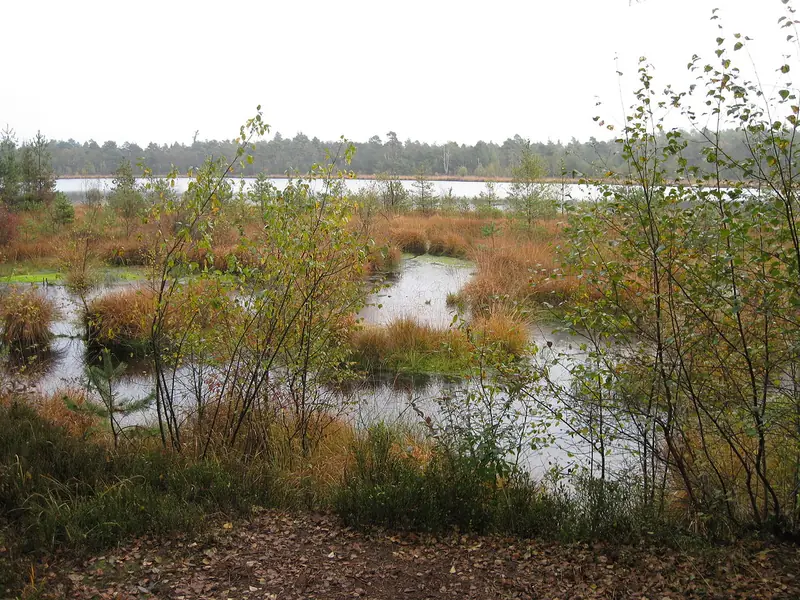
In the heart of Lower Saxony, Germany, lies Grundloses Moor, a nature reserve that invites visitors to explore its serene landscapes and unique ecosystems. This expansive area, characterized by its wetland habitats, serves as a vital refuge for diverse flora and fauna, making it a significant ecological site. The region’s rich biodiversity provides opportunities for both relaxation and exploration, whether you’re a wildlife enthusiast or simply seeking a tranquil escape from urban life. Grundloses Moor stands as a testament to the importance of preserving natural habitats and offers a glimpse into the delicate balance of ecosystems.
As you venture into the reserve, you will find a network of walking trails that meander through lush vegetation, wetlands, and peat bogs. Each step presents a chance to observe the myriad of species that inhabit this remarkable area, from migratory birds to native plants. The reserve is not only a sanctuary for wildlife but also a space for visitors to reconnect with nature, breathe in the fresh air, and appreciate the stunning, unspoiled landscapes that are increasingly rare in today’s world.
Significance
Visiting Grundloses Moor is an opportunity to engage with nature in a way that is both educational and restorative. The reserve exemplifies the ecological importance of wetlands, which play a critical role in water purification, flood control, and carbon storage. These natural systems are essential for maintaining biodiversity and combating climate change. By choosing to explore Grundloses Moor, visitors contribute to the ongoing conversation about conservation and the preservation of our planet’s natural resources.
History and Significance
While specific dates regarding the establishment of Grundloses Moor are not available, the region has long been recognized for its ecological value. Historically, the area has been subject to various land use practices, including agriculture and peat extraction. These activities have shaped the landscape, yet the commitment to preserving the natural environment has led to the designation of Grundloses Moor as a nature reserve.
The cultural significance of Grundloses Moor extends beyond its ecological contributions. The reserve is a critical habitat for numerous bird species, making it a favored spot for birdwatchers and nature photographers alike. The importance of wetlands like those found in Grundloses Moor cannot be overstated; they provide breeding and feeding grounds for wildlife, contributing to regional biodiversity.
As awareness of environmental issues has grown, so has the recognition of the need to protect such natural spaces. Grundloses Moor serves as a focal point for discussions on conservation and sustainable land management. The reserve acts as an educational platform for visitors, offering insights into the ecological processes that sustain these habitats and the urgent need to protect them for future generations.
In a world increasingly dominated by urban development, the preservation of natural areas like Grundloses Moor highlights the ongoing struggle to balance human activity with environmental stewardship. The reserve underscores the importance of sustainable practices and serves as a reminder of our collective responsibility to safeguard the planet’s natural resources.
Architecture and Features
The architectural elements of Grundloses Moor are minimal, as the focus here is primarily on the landscape and the natural features of the reserve. Instead of traditional structures, the defining characteristics of the area include the diverse ecosystems of wetlands, peat bogs, and surrounding woodlands.
The reserve is interspersed with walking trails that allow visitors to navigate through its varied habitats. These paths are designed to minimize impact on the environment while providing access to some of the most beautiful and tranquil areas of the reserve. Visitors can expect to encounter a range of natural features, including:
- Peat Bogs: A key feature of the reserve, peat bogs play an essential role in carbon storage and provide unique habitats for various plant and animal species.
- Wetland Areas: These areas are crucial for supporting biodiversity, serving as breeding and feeding grounds for many bird species and other wildlife.
- Flora and Fauna: A diverse array of plant life flourishes in Grundloses Moor, including species adapted to wetland conditions. The wildlife is equally varied, with many species relying on the reserve for their survival.
The simplicity of the landscape allows for a direct connection with nature, encouraging visitors to engage with their surroundings and appreciate the intricate web of life that exists within the reserve.
Visiting Information
Visiting Grundloses Moor offers a unique opportunity to immerse oneself in the beauty of nature. To make the most of your experience, consider the following information:
Transport
Access to Grundloses Moor is relatively straightforward, with various transport options available. Depending on your starting point, you may consider traveling by car, public transport, or bicycle. Check local transportation schedules for the best routes to the reserve.
What to Expect
Upon arrival, be prepared to engage with nature through a network of well-maintained walking trails. The reserve invites exploration at a leisurely pace, allowing you to take in the sights and sounds of the natural world. Expect to see a variety of wildlife, especially if you visit during migration seasons.
Time Needed
A visit to Grundloses Moor can vary in length based on your interests. Allocate at least a couple of hours to fully appreciate the trails and natural features. For avid birdwatchers or those interested in exploring the area more deeply, a longer visit may be ideal.
Best Times
The best times to visit Grundloses Moor are during the spring and fall months when wildlife activity is at its peak. These seasons offer pleasant weather and increased opportunities for birdwatching.
For current information on hours, prices, and special events, check the official website before planning your visit.
Nearby Attractions
While Grundloses Moor is a destination in itself, several nearby attractions can enhance your experience in Lower Saxony:
Lüneburg Heath: A stunning natural area known for its heathland and diverse wildlife, perfect for hiking and outdoor activities.
Celle Castle: A beautiful historical castle located a short distance away, showcasing Renaissance architecture and lovely gardens.
Bergen-Belsen Memorial: An important historical site that serves as a memorial to the victims of the Bergen-Belsen concentration camp, offering a sobering glimpse into the past.
Luneburg: A charming town with a rich history, known for its medieval architecture and vibrant cultural scene, including museums and galleries.
Wilseder Berg: The highest point in the Lüneburg Heath, offering scenic views and hiking opportunities.
Insider Tips
To make the most of your visit to Grundloses Moor, consider these insider tips:
Photography: Early morning or late afternoon provides the best lighting for photography, especially for capturing wildlife. Be patient, and keep your camera ready for unexpected moments.
Crowd Avoidance: To enjoy a more tranquil experience, plan your visit during weekdays or in the early morning hours. This will help you avoid larger crowds, especially during peak tourist seasons.
Practical Information
When preparing for your visit to Grundloses Moor, keep the following practical considerations in mind:
What to Bring
Pack essentials such as comfortable walking shoes, a water bottle, and a camera. Binoculars may also enhance your experience, particularly for birdwatching.
Seasonal Considerations
Be mindful of seasonal changes; spring and fall are often the most rewarding times to visit for wildlife activity. Summer can be warm, so consider bringing sun protection, while winter visits may require extra layers for warmth.
Frequently Asked Questions
How long should I spend visiting?
The ideal duration varies based on personal interests, but a visit of two to four hours is recommended to fully enjoy the trails and natural surroundings.
Is photography allowed?
Yes, photography is permitted within the reserve. Capture the beauty of the landscape and wildlife while being respectful of the natural environment.
Are there guided tours?
Currently, guided tours may not be available. Check the official website for any updates or special events that may include guided experiences.
What’s the best time to visit?
The best times to visit are during spring and fall, when wildlife activity is heightened and the weather is generally pleasant.
Is it wheelchair accessible?
Accessibility details may vary, so it is advisable to check the official website for the most current information regarding wheelchair access.
Can I buy tickets online?
Information regarding ticket purchases can be found on the official website, where you can verify current policies.
Are there restrooms and cafes?
Facilities may be limited within the reserve. Be sure to check the official website for details on amenities before your visit.
What should I wear?
Dress in layers to accommodate changing weather conditions, and wear comfortable footwear suitable for walking on uneven terrain.



