Overview
The Großes Moor bei Dänschenburg, located in the Mecklenburg-Vorpommern region of Germany, is a remarkable nature reserve that underscores the importance of preserving natural habitats. Covering a significant area of wetlands and peat bogs, this reserve plays a vital role in maintaining biodiversity and serves as a crucial ecological buffer in the region. Visitors are welcomed into a serene environment where the delicate interplay of flora and fauna can be observed, offering a peaceful retreat from urban life. With its lush landscapes and unique ecosystems, Großes Moor provides an opportunity to connect with nature in a profound way.
As a designated nature reserve, Großes Moor is significant not only for its ecological contributions but also for its historical context. The area has long been recognized for its unique biological environment, showcasing a range of habitats that support various species, some of which are rare or threatened. This reserve is not just a place to explore nature; it is also a site that reflects the ongoing efforts to conserve the natural heritage of Germany.
Visitors to Großes Moor can expect a tranquil experience, with opportunities for birdwatching, hiking, and simply enjoying the natural beauty of the wetlands. This vast expanse provides a habitat for both migratory and resident birds, making it a popular spot for ornithologists and nature enthusiasts alike.
History and Significance
The significance of Großes Moor bei Dänschenburg extends beyond its current status as a nature reserve. The area’s wetlands have long been recognized for their ecological value, serving as critical habitats for various species of wildlife. Historically, wetlands have been vital to agricultural practices and local economies, providing resources such as peat, which has been used for fuel and soil enhancement for centuries.
The conservation efforts in this region reflect a broader commitment to environmental stewardship that has gained momentum in recent decades. The establishment of Großes Moor as a nature reserve signifies a proactive approach to safeguarding the unique ecosystems and biodiversity that exist within its boundaries. The reserve is a part of ongoing efforts to restore and protect wetland areas across Germany, recognizing their importance in combating climate change, managing water resources, and maintaining ecological balance.
In addition to its ecological significance, Großes Moor is a site of cultural importance. The wetlands have shaped the lives of local communities, influencing traditional practices and contributing to the region’s identity. The careful management of the reserve not only preserves the natural landscape but also honors the cultural heritage intertwined with the land.
As visitors explore the reserve, they can appreciate the intricate relationship between humans and nature that has evolved over time. The careful conservation of Großes Moor highlights the importance of protecting natural spaces in an era of rapid environmental change, serving as a reminder of our responsibility to the planet.
Architecture and Features
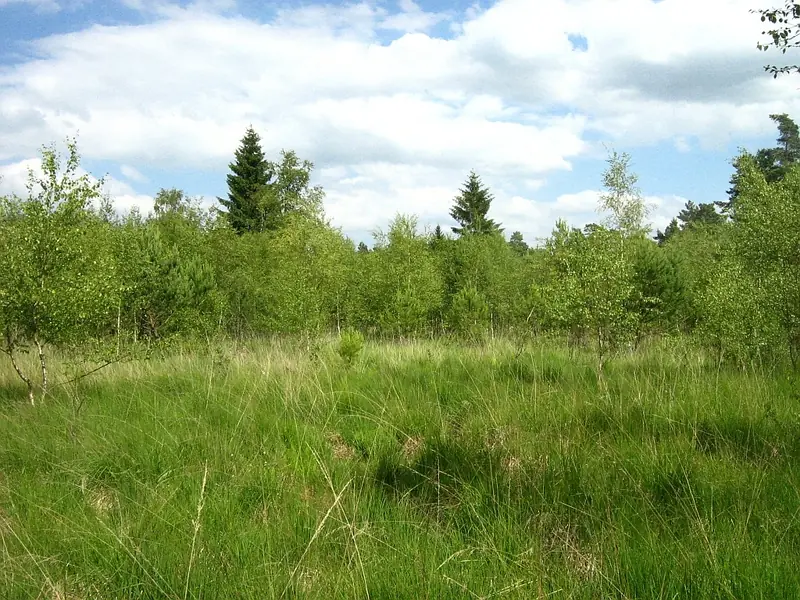
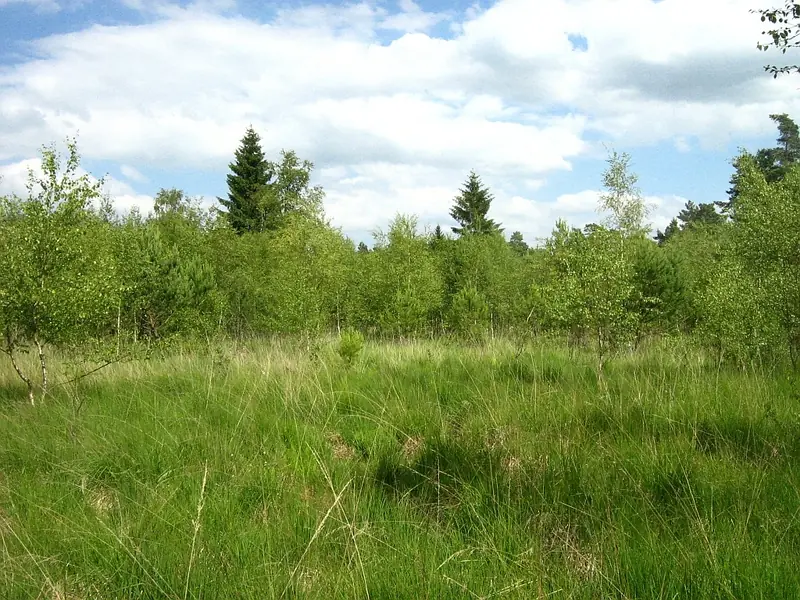
While Großes Moor bei Dänschenburg is primarily celebrated for its natural landscapes rather than architectural structures, the features of the reserve itself are noteworthy. The landscape consists of extensive peat bogs, wetlands, and diverse plant communities, creating a habitat that supports a variety of wildlife.
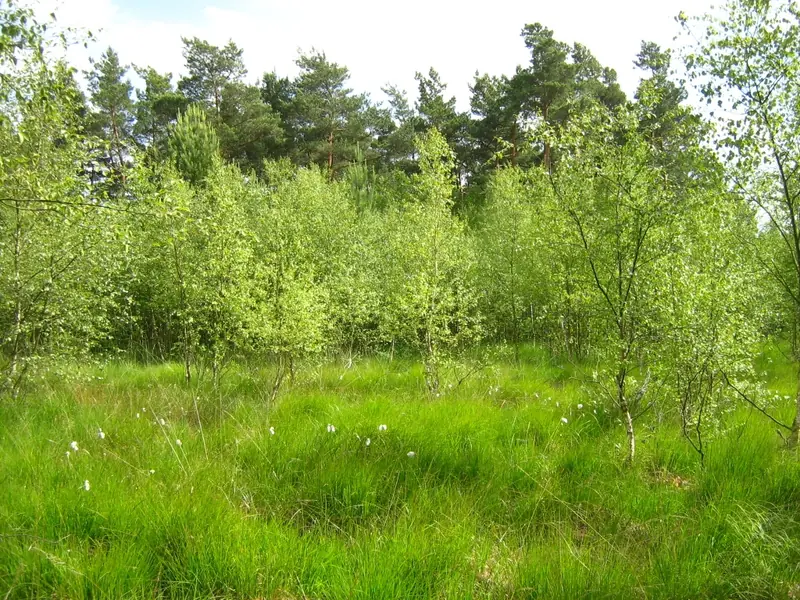
The vegetation in Großes Moor is characterized by sedges, reeds, and various mosses that thrive in the wet conditions. This unique plant life plays a crucial role in the ecosystem, providing food and shelter for numerous animal species. The reserve is particularly significant for birdlife, with many species choosing to nest or migrate through this rich habitat.
Visitors might notice the intricate patterns created by waterlogged areas interspersed with patches of dry land, offering a diverse array of microhabitats. The tranquil waterways and still pools serve as reflective surfaces, enhancing the beauty of the surrounding flora.
Additionally, well-maintained trails allow for easy exploration of the reserve, providing a way for visitors to experience the natural beauty without disrupting the delicate ecosystems. The design of these pathways has been carefully considered to minimize human impact on the environment while maximizing opportunities for observation and enjoyment of the natural world.
Overall, the features of Großes Moor highlight the intricate balance of nature and the importance of conservation efforts in preserving such habitats for future generations.
Visiting Information
For those planning a visit to Großes Moor bei Dänschenburg, there are various options for transportation. The reserve is accessible by car, and ample parking is typically available nearby. If traveling by public transportation, check local schedules for buses that may service the area, as options can vary.
When planning your visit, it is advisable to check the official website for current information regarding hours of operation and any potential entry fees. Visitors can expect to spend a few hours exploring the trails and taking in the sights and sounds of the wetlands. The reserve is well-suited for leisurely strolls or more extended hikes, allowing ample time for birdwatching and photography.
The best times to visit Großes Moor are during the spring and fall seasons when migratory birds are frequenting the area. These months often provide optimal conditions for wildlife observation, as well as pleasant weather for outdoor activities. However, each season offers its unique charm, with summer bringing lush greenery and winter showcasing a serene, frost-covered landscape.
As visitors venture into the reserve, they should prepare for varying terrain and wear appropriate footwear. Given the nature of wetland environments, waterproof shoes may be advisable, especially after rain. Bringing binoculars for birdwatching and a camera for capturing the stunning scenery is also recommended.
Nearby Attractions
While Großes Moor bei Dänschenburg is a destination in its own right, the surrounding area offers several attractions worth exploring:
Dänschenburg Village: This quaint village provides a glimpse into local life and history. Visitors can stroll through the streets and enjoy the architecture and community atmosphere.
Rostock: Located a short drive away, Rostock is a vibrant city with a rich maritime history. The city’s harbor, historical buildings, and cultural attractions make it an excellent day trip option.
Lake Güstrow: This picturesque lake nearby offers opportunities for swimming, fishing, and hiking along its shores. The surrounding park area is ideal for picnics and relaxation.
Güstrow Palace: A short distance from the reserve, this historic palace features beautiful gardens and exhibits detailing the region’s history. It provides insight into the cultural heritage of Mecklenburg-Vorpommern.
Nature Park Nossentiner/Schwinzer Heide: For those looking to extend their nature exploration, this nearby park features diverse landscapes, including forests, lakes, and additional wetlands.
Insider Tips
Photography enthusiasts will find ample opportunities to capture the beauty of Großes Moor. The early morning or late afternoon light can create stunning images of the wetlands and wildlife. To avoid crowds, consider visiting during weekdays or in the off-peak season.
For those interested in birdwatching, it may be beneficial to bring a field guide or app that can help identify species found in the reserve. Patience is key; sit quietly in one spot to increase your chances of observing shy wildlife.
Practical Information
When visiting Großes Moor, it is advisable to bring essential items such as water, snacks, and a map of the trails. Seasons can influence the experience, so consider seasonal weather conditions, which may include rain or snow.
During the warmer months, sunscreen and insect repellent can enhance comfort while exploring the outdoors. In colder months, dressing in layers can help manage temperature fluctuations throughout the day.
Frequently Asked Questions
How long should I spend visiting?
A visit typically lasts around two to four hours, depending on your interests and pace, with time for walking, birdwatching, and enjoying the scenery.
Is photography allowed?
Yes, photography is permitted within the nature reserve. However, visitors should be respectful of wildlife and other visitors.
Are there guided tours?
Check the official website for information on any guided tours that may be available during your visit.
What’s the best time to visit?
Spring and fall are ideal for birdwatching due to migratory patterns. Each season offers unique sights, so consider your interests when planning your visit.
Is it wheelchair accessible?
Check the official website for information regarding accessibility options within the reserve.
Can I buy tickets online?
Information regarding ticket purchasing can be found on the official website, so be sure to check for current options.
Are there restrooms and cafes?
Check the official website for details on available amenities within the reserve.
What should I wear?
Wear comfortable, appropriate footwear for walking on various terrains. Dress in layers based on the season and weather conditions to ensure a pleasant experience.
Photo Gallery