
Großes Militärwaisenhaus
Großes Militärwaisenhaus: A Historical Architectural Ensemble in Potsdam
Overview
The Großes Militärwaisenhaus, located in the historic city of Potsdam, Germany, serves as a striking reminder of the region’s rich military heritage and social history. This architectural ensemble, once a large military orphanage, showcases the significance of community and care for children in military families. Its expansive grounds and meticulously designed buildings reflect the socio-political context of the time, offering visitors an insight into the life of military orphans and the structures built to support them. As you explore this site, expect to encounter both the grandeur of its architecture and the profound stories woven into its walls.
Situated in the heart of Potsdam, the Großes Militärwaisenhaus is easily accessible and serves as an important cultural landmark. The ensemble’s historical significance and architectural beauty make it a must-visit for those interested in Germany’s military past and its impact on social welfare.
History and Significance
The Großes Militärwaisenhaus has its roots in the early 18th century, a period marked by significant military conflicts in Europe. Established to provide shelter, education, and care for the children of fallen soldiers, this orphanage played a crucial role in the social fabric of military life. The institution aimed to ensure that the offspring of military personnel received a proper upbringing, thus reflecting the values of responsibility and community support.
Throughout its history, the Großes Militärwaisenhaus evolved in response to changing social attitudes and military needs. As the number of orphans increased due to various wars, the facility expanded, incorporating new buildings and services to accommodate its growing population. This evolution illustrates not only the impact of military conflicts on families but also the societal commitment to support those left behind.
Beyond its function as an orphanage, the site also symbolizes the broader changes within German society regarding children’s rights and welfare. It highlights the importance of providing a nurturing environment for the vulnerable, a principle that resonates even today. The architectural ensemble stands as a reminder of how institutions can shape social policy and community values over time.
Architecture and Features
The architecture of the Großes Militärwaisenhaus is a captivating blend of functionality and aesthetic appeal, characteristic of the period in which it was constructed. The ensemble consists of several buildings that are thoughtfully arranged, creating a cohesive layout that speaks to the design principles of the time.
Notable features include the main building, which exhibits classical architectural elements, such as symmetrical facades and grand entrances. The use of local materials and traditional construction techniques reflects the craftsmanship of the era. As you stroll through the complex, you’ll notice intricate details, such as decorative moldings, spacious courtyards, and well-maintained gardens that enhance the overall atmosphere of the site.
Each building within the ensemble serves a distinct purpose, from residential quarters for the orphans to educational facilities. This thoughtful organization was designed to create a self-sufficient community, ensuring that the children had access to both shelter and learning. The architecture not only serves practical needs but also embodies the ideals of care and support that the institution aimed to provide.
Visiting Information
Visiting the Großes Militärwaisenhaus is a rewarding experience for those interested in history and architecture. The site is conveniently located in Potsdam, making it easily accessible via various modes of transportation. Whether you arrive by public transit or car, you’ll find that the area is well-connected to other significant attractions in the region.
Check the official website for current information regarding opening hours and ticket prices. When planning your visit, consider setting aside a couple of hours to fully explore the site and take in its architectural details. The best times to visit are during the shoulder seasons of spring and autumn when the weather is mild, and the crowds are thinner.
Expect to encounter a serene atmosphere, allowing for quiet reflection on the history and significance of the site. Guided tours may be available, providing deeper insights into the stories behind the buildings and their inhabitants.
Nearby Attractions
While visiting the Großes Militärwaisenhaus, you might want to explore other nearby attractions that enrich your understanding of Potsdam’s heritage:
- Sanssouci Palace: Once the summer residence of Frederick the Great, this opulent palace features stunning gardens and impressive architecture.
- New Palace: Another remarkable structure in the Sanssouci Park, showcasing the grandeur of Prussian baroque architecture.
- Potsdam’s Dutch Quarter: A charming area with red-brick buildings and quaint shops, reflecting the city’s historical ties with the Netherlands.
- Cecilienhof Palace: Known for the Potsdam Conference held here in 1945, this site offers a blend of history and beautiful gardens.
- Filmpark Babelsberg: For a more modern take, this film studio provides insight into the German film industry and offers interactive attractions.
Insider Tips
To make the most of your visit to the Großes Militärwaisenhaus, consider the following tips:
- Photography: The architectural details are stunning, so have your camera ready. However, be mindful of any restrictions on photography within certain areas.
- Crowd Avoidance: Visiting during weekdays or early in the morning can help you avoid larger groups, allowing for a more personal experience with the site.
Practical Information
When planning your visit, it’s advisable to bring along essentials such as water and comfortable walking shoes, as you may spend considerable time exploring the grounds. Seasonal considerations are also important; during the summer months, the gardens are particularly lovely, while autumn offers a colorful backdrop. Be prepared for varying weather conditions, so check forecasts beforehand.
Frequently Asked Questions
How long should I spend visiting?
A visit typically lasts about 2-3 hours, allowing ample time to explore the buildings and grounds.
Is photography allowed?
Photography is generally permitted, but be sure to check for any specific restrictions upon arrival.
Are there guided tours?
Check the official website for information on guided tours, which can provide deeper insights into the history of the site.
What’s the best time to visit?
The best times to visit are in spring and autumn when the weather is pleasant and crowds are smaller.
Is it wheelchair accessible?
While some areas may be accessible, it’s advisable to check the official website for detailed accessibility information.
Can I buy tickets online?
Check the official website for options regarding online ticket purchases.
Are there restrooms and cafes?
Facilities may be available on-site, but it is best to confirm by checking the official website before your visit.
What should I wear?
Dress comfortably and appropriately for the weather, as you may spend time outdoors.
The Großes Militärwaisenhaus offers a unique perspective on the intersection of architecture, history, and social welfare. Whether you are an architecture enthusiast, a history buff, or simply curious about Germany’s past, the site promises an enriching experience that resonates with the principles of care and community.
More in Brandenburg
Agnetenkloster
📍 Brandenburg, Germany
Agnetenkloster, a former monastery located in the heart of Magdeburg, Germany, invites visitors to explore its serene ambiance and historical …

Agroneum
📍 Brandenburg, Germany
Agroneum is a museum located in the serene landscape of Alt Schwerin, Germany. This establishment serves as a vibrant hub for those interested in the …

Alexander Nevsky Memorial Church
📍 Brandenburg, Germany
The Alexander Nevsky Memorial Church in Potsdam, Germany, offers visitors a unique glimpse into the city’s cultural and religious heritage. This …
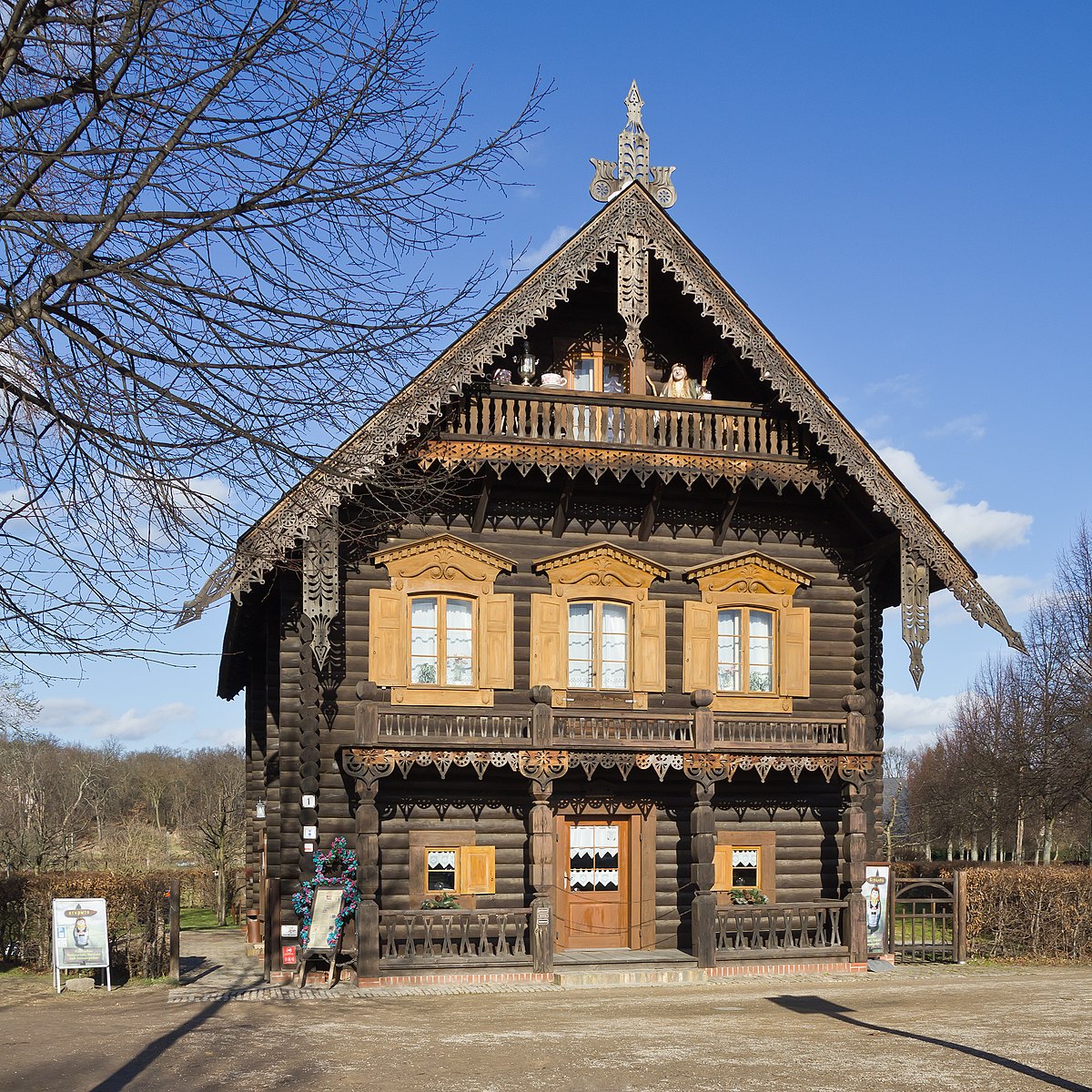
Alexandrowka
📍 Brandenburg, Germany
Located in the picturesque city of Potsdam, Germany, Alexandrowka is an intriguing architectural ensemble that reflects a unique blend of Russian and …

Alte Burg Penzlin
📍 Brandenburg, Germany
Alte Burg Penzlin, a captivating castle located in the quaint town of Penzlin, Germany, serves as a remarkable example of medieval architecture and …

Alte Dorfkirche Röxe
📍 Brandenburg, Germany
The Alte Dorfkirche Röxe stands as a poignant symbol of architectural and cultural history in the Stendal region of Germany. This church building, …
More Architectural Ensembles

144., 176. und 184. Gemeindeschule
📍 Berlin, Germany
The 144., 176. und 184. Gemeindeschule, an architectural ensemble located in the vibrant city of Berlin, stands as a noteworthy example of educational …

Adelheidstraße 3–7, 9–12, 12a, 14, 15, 22–31, Amelungstraße 1, Friedrich-Ebert-Platz
📍 Lower Saxony, Germany
In the heart of Quedlinburg, Germany, lies a captivating architectural ensemble that reflects the town’s historical significance and cultural …

Aegidiimarkt
📍 Lower Saxony, Germany
Aegidiimarkt is a captivating architectural ensemble located in the heart of Münster, Germany. This vibrant square not only serves as a hub for local …
Alexandrowka
📍 Brandenburg, Germany
Located in the picturesque city of Potsdam, Germany, Alexandrowka is an intriguing architectural ensemble that reflects a unique blend of Russian and …

Alhauser Hammer
📍 North Rhine-Westphalia, Germany
Alhauser Hammer is a remarkable architectural ensemble located in Ennepetal, Germany, known for its historical significance as a water-driven hammer …

Alsdorfer Ölmühle
📍 North Rhine-Westphalia, Germany
The Alsdorfer Ölmühle, an architectural ensemble located in the heart of Alsdorf, Germany, is a remarkable example of a traditional watermill that …