Overview
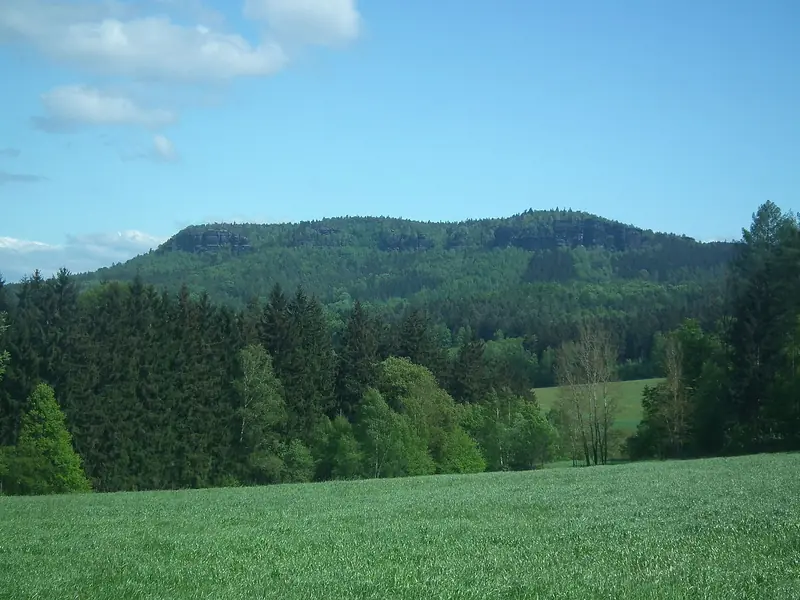
Großer Zschirnstein stands as a prominent feature in the stunning landscape of the Elbe Sandstone Mountains, straddling the border between Saxony and the Czech Republic. This mountain, with its striking elevation and rugged terrain, offers visitors a profound sense of immersion in nature while also serving as a gateway to understanding the geological and ecological significance of the region. The area is characterized by its unique sandstone formations, lush forests, and diverse wildlife, making it a favorite destination for outdoor enthusiasts and nature lovers.
As part of the larger Elbe Sandstone Mountain range, Großer Zschirnstein presents an opportunity for exploration, whether through hiking trails that meander through its slopes or by simply enjoying the serene beauty that surrounds it. The rich natural heritage of this mountain is complemented by its position as a cultural landmark, reflecting the historical interactions between the natural environment and the communities that have flourished in its shadows.
Visitors to Großer Zschirnstein can expect to engage with both the formidable beauty of the mountain and the intricate relationships between the ecosystem and the region’s human history. It serves as a prime location for those looking to connect with nature while also appreciating the broader context of the Elbe Sandstone Mountains.
History and Significance
The history of Großer Zschirnstein is deeply intertwined with the natural forces that shaped it, as well as the human activities that have occurred in its vicinity. The mountain is part of a larger geological formation known for its striking landscape, which has been sculpted over millions of years by water and wind erosion. This natural process has created the dramatic cliffs and unique rock formations that attract geologists, hikers, and nature enthusiasts alike.
Culturally, the Elbe Sandstone Mountains, including Großer Zschirnstein, have been significant for local communities for centuries. The region has been a source of inspiration for artists, writers, and musicians, drawn to its breathtaking scenery and tranquil atmosphere. The mountain’s presence has influenced local folklore, and it continues to be a symbol of natural beauty in German cultural heritage.
The surrounding area has also been important for various forms of outdoor recreation, with hiking and climbing becoming popular activities as access to the mountains improved. This shift reflects a growing appreciation for nature and the outdoors, with Großer Zschirnstein serving as a key destination for those pursuits.
In addition to its natural significance, Großer Zschirnstein is part of a larger conservation effort aimed at preserving the unique ecosystems of the Elbe Sandstone Mountains. This includes protecting the biodiversity of the region, which is home to various plant and animal species that thrive in its unique environment.
Architecture and Features
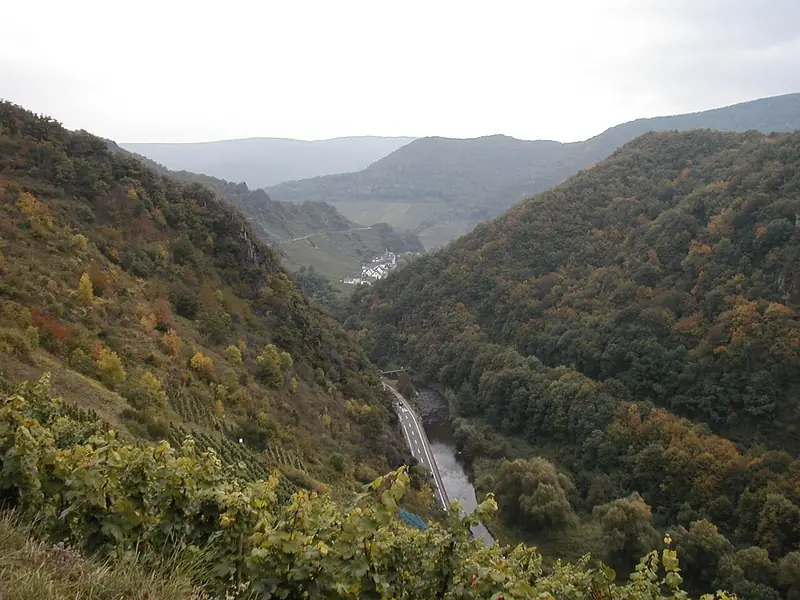
Großer Zschirnstein is distinguished by its rugged topography and striking sandstone formations. The mountain rises prominently in the landscape, featuring steep cliffs and rocky outcrops that have been shaped by centuries of natural forces. Its surface is characterized by a mix of dense forests and exposed rock, creating a striking contrast that enhances its natural beauty.
One of the notable features of Großer Zschirnstein is its diverse ecosystem, which comprises various habitats ranging from lush woodlands to rocky cliffs. This diversity supports a wide array of wildlife, making it a prime location for birdwatching and nature observation. The mountain is particularly known for its flora, including species that are adapted to the rocky soils and varying altitudes.
The summit of Großer Zschirnstein provides a unique vantage point for visitors, allowing for sweeping panoramas of the surrounding landscape. The rugged terrain can present challenges, but the reward is a stunning view that stretches across the Elbe Sandstone Mountains.
As with many natural sites, the features of Großer Zschirnstein are not static; they continue to evolve due to ongoing geological processes. This dynamic aspect adds another layer of intrigue for those who visit, inviting them to consider the mountain not just as a destination, but as a living entity that has shaped and been shaped by its environment.
Visiting Information
Großer Zschirnstein is accessible through various means of transport, including car and public transportation. Visitors can typically reach nearby towns that serve as starting points for hiking trails. Once at the base, a network of trails provides options for different levels of hiking experiences, from leisurely walks to more challenging climbs.
For current information regarding hours and prices, check the official website, as these details can change seasonally. It is advisable to allocate several hours for a visit, depending on the chosen trail and the pace of exploration. Some trails may take longer, especially if you plan to enjoy the scenery and take photographs along the way.
The best times to visit Großer Zschirnstein are during the spring and autumn months when the weather is mild, making outdoor activities more enjoyable. Summer can also be a popular time, attracting more visitors, so planning your trip during weekdays may help avoid crowds.
Visitors should be prepared for varying weather conditions and should dress accordingly, especially if planning to hike. Sturdy footwear is essential, along with layers to accommodate changing temperatures throughout the day.
Nearby Attractions
While Großer Zschirnstein itself is a captivating destination, there are several nearby attractions worth exploring:
Saxon Switzerland National Park: Just a short distance away, this national park offers an extensive network of hiking trails and spectacular rock formations, perfect for those seeking more adventure.
Bastei Bridge: A famous rock formation and bridge that provides panoramic views of the Elbe River and surrounding landscape, this site is a must-visit for photography enthusiasts.
Königstein Fortress: This historic fortress overlooks the Elbe River and offers insights into the region’s history, along with stunning views from its elevated position.
Bad Schandau: A charming spa town located nearby, it’s an excellent spot for relaxation and enjoying local cuisine after a day of hiking.
Schrammsteine: A unique rock formation known for its climbing routes and hiking paths, offering visitors another opportunity to engage with the natural beauty of the region.
Insider Tips
For photography enthusiasts, early morning or late afternoon provides the best lighting conditions for capturing the natural beauty of Großer Zschirnstein. The golden hour can enhance the colors of the landscape, making for stunning photographs.
To avoid crowds, consider visiting on weekdays or during the shoulder seasons of spring and autumn. This will allow for a more peaceful experience and the opportunity to appreciate the natural surroundings without the hustle and bustle of peak tourist times.
Practical Information
When planning your visit to Großer Zschirnstein, it’s advisable to bring essentials such as water, snacks, and a map of the hiking trails. Depending on the season, layered clothing can help manage varying temperatures throughout the day.
In the winter months, snow and ice can affect trail conditions, so appropriate footwear is crucial for safety. Always check local weather forecasts before your visit to ensure a comfortable and safe experience.
Frequently Asked Questions
How long should I spend visiting?
A visit can take anywhere from a few hours to a full day, depending on the trails you choose and how much time you wish to spend enjoying the views.
Is photography allowed?
Yes, photography is encouraged, and the stunning landscapes provide excellent opportunities for capturing memorable images.
Are there guided tours?
Check local resources for guided tour options, as they may vary seasonally or based on demand.
What’s the best time to visit?
Spring and autumn are ideal due to mild weather and fewer crowds, while summer can be busy but still enjoyable.
Is it wheelchair accessible?
The terrain may present challenges for wheelchair users. Check specific trail descriptions for accessibility information.
Can I buy tickets online?
Check the official website for information regarding any entry fees or ticketing options that may be available.
Are there restrooms and cafes?
Facilities may vary; check local resources to find information on amenities available near the mountain.
What should I wear?
Dress in layers, wear sturdy footwear, and be prepared for changing weather conditions to ensure a comfortable visit.