Großer Jüdenhof
Overview
Großer Jüdenhof, an architectural ensemble in Berlin, invites visitors to explore the remnants of a medieval residential complex that reflects the city’s diverse history and cultural evolution. Located in the heart of Berlin, this site comprises several loosely grouped half-timbered buildings that resonate with stories from a bygone era. As one navigates through its quaint pathways, the significance of Großer Jüdenhof becomes apparent—not only as a historical landmark but also as a representation of the city’s architectural heritage.
This ensemble is emblematic of Berlin’s medieval past, showcasing the unique characteristics of half-timbered constructions that were prevalent in the region. The site serves as a reminder of the architectural styles that have influenced modern Berlin and provides a glimpse into the lives of its former inhabitants. Each building within the ensemble contributes to a narrative that intertwines with the broader tale of the city’s development over centuries.
Visitors to Großer Jüdenhof can expect a serene, reflective atmosphere, ideal for those interested in history, architecture, or simply seeking a peaceful escape from the bustling city. As you wander through the area, you will appreciate the artistry of the buildings and the tranquil ambiance that envelops this historical enclave.
History and Significance
The origins of Großer Jüdenhof trace back to the medieval period, a time when Berlin was beginning to establish itself as a key player in trade and culture within the region. This architectural ensemble was primarily a residential area for Jewish families, reflecting the social fabric of the city during that era. The historical significance of Großer Jüdenhof lies not only in its architecture but also in its role within the Jewish community of Berlin, which has had a profound influence on the city’s identity.
Throughout the centuries, the site experienced various transformations, reflecting the broader socio-political changes occurring in Germany. The medieval buildings that make up Großer Jüdenhof stand as a symbol of resilience and continuity amidst the challenges faced by the Jewish community, particularly during periods of adversity. The architecture encapsulates the ingenuity of those who lived and worked there, showcasing their craftsmanship and the everyday life of a community that thrived in this locale.
Moreover, Großer Jüdenhof is a vital link to Berlin’s Jewish heritage, reminding visitors of the significant contributions made by Jewish residents to the cultural and economic life of the city. This site serves as a poignant reminder of the historical narratives that have shaped modern Berlin, providing context to the city’s ongoing dialogue about identity, memory, and the preservation of heritage.
Today, Großer Jüdenhof stands as an architectural ensemble that invites reflection on the complexities of history, culture, and community. It resonates with those who seek to understand the past while appreciating the architectural beauty and historical significance it holds within the contemporary landscape of Berlin.
Architecture and Features
Großer Jüdenhof features a distinctive collection of half-timbered buildings, a hallmark of medieval architecture that exemplifies the craftsmanship of the era. The ensemble’s design showcases a harmonious arrangement of structures, each with unique characteristics yet unified in style. The wooden frameworks are a testament to the building techniques of the time, with exposed beams and intricate joinery highlighting the artistry involved in their construction.
The layout of Großer Jüdenhof reflects the communal lifestyle of its former inhabitants, with buildings arranged in a manner that encourages interaction among residents. This architectural choice offers insight into the social dynamics of medieval life, where community and collaboration were essential.
One of the notable aspects of the site is its ability to evoke a sense of history while remaining integrated within the urban fabric of modern Berlin. Visitors can appreciate the juxtaposition of historical architecture against contemporary elements, creating a dialogue between past and present. The ambiance of Großer Jüdenhof is further enhanced by the surrounding environment, which features cobblestone pathways and greenery that invite exploration and contemplation.
As you explore the ensemble, take note of the various architectural details, such as decorative woodwork and the interplay of light and shadow on the buildings’ facades. Each corner of Großer Jüdenhof offers a new perspective, making it a rewarding experience for architecture enthusiasts and casual visitors alike.
Visiting Information
Visiting Großer Jüdenhof is a straightforward affair, with the site conveniently located in Berlin. For those traveling via public transport, the area is accessible by various modes of transportation. Visitors are encouraged to check local transport schedules for the latest information on routes and availability.
Before planning your visit, be sure to check the official website for current information regarding opening hours and any potential admission fees. While exploring the site, allocate sufficient time to fully appreciate the architectural details and historical context of Großer Jüdenhof. A leisurely stroll through the ensemble can take anywhere from one to two hours, depending on your level of interest in the architecture and history.
The best times to visit Großer Jüdenhof are during the spring and early autumn months when the weather is mild, allowing for comfortable exploration. Additionally, weekdays tend to be less crowded compared to weekends, providing a more intimate experience. Visitors should prepare for potential fluctuations in visitor numbers, especially during peak tourist seasons.
While at Großer Jüdenhof, expect a tranquil atmosphere conducive to reflection and exploration. The site is primarily pedestrian-friendly, encouraging visitors to wander freely and engage with the surroundings at their own pace.
Nearby Attractions
When visiting Großer Jüdenhof, consider exploring some of the nearby attractions that contribute to the rich cultural tapestry of Berlin:
The New Synagogue: Located close by, this historic synagogue serves as an important symbol of Jewish heritage in Berlin. Its stunning architecture and historical significance make it a worthwhile stop.
Museum Island: A UNESCO World Heritage site, Museum Island is home to several world-class museums, including the Pergamon Museum and the Altes Museum. It is a short distance from Großer Jüdenhof and offers a comprehensive look at art and history.
Hackescher Markt: This vibrant area is known for its eclectic mix of shops, cafes, and galleries. It is a great place to experience contemporary Berlin culture while enjoying a bite to eat or a cup of coffee.
The Berlin Cathedral: A magnificent example of neo-Renaissance architecture, the Berlin Cathedral is not far from Großer Jüdenhof. Its impressive dome and beautiful interior make it a must-visit site.
The Jewish Museum Berlin: An engaging museum that delves into the history and culture of Jews in Germany, it provides context to the experiences of the Jewish community, including the narratives surrounding Großer Jüdenhof.
Insider Tips
For those planning to visit Großer Jüdenhof, here are some insider tips to enhance your experience:
Photography: The architectural details of Großer Jüdenhof offer fantastic opportunities for photography. Early morning or late afternoon light can create beautiful shadows and highlights, making for stunning images.
Crowd Avoidance: To enjoy a more peaceful visit, consider going during the week or early in the morning. This will allow you to appreciate the site without the hustle and bustle of larger crowds.
Guided Tours: If you are interested in a more in-depth understanding of the history and architecture, look for any available guided tours that may be offered on-site or nearby. These can provide valuable insights and anecdotes that enrich your visit.
Practical Information
When planning your visit to Großer Jüdenhof, consider the following practical information to ensure a smooth experience:
What to Bring: Comfortable walking shoes are recommended, as you will be exploring cobblestone paths. A camera is also advisable for capturing the unique architectural features.
Seasonal Considerations: During the winter months, dress warmly as temperatures can drop significantly. If visiting in spring or autumn, layers are advisable to adapt to changing weather conditions.
Amenities: While the site itself may not have extensive facilities, nearby cafes and restaurants offer opportunities for refreshments before or after your visit.
Frequently Asked Questions
How long should I spend visiting?
A visit to Großer Jüdenhof typically takes between one to two hours, allowing ample time to explore and appreciate the architecture.
Is photography allowed?
Yes, photography is generally permitted, allowing visitors to capture the unique architectural features of the site.
Are there guided tours?
Check the official website to see if guided tours are available, as they can provide deeper insights into the history and significance of the site.
What’s the best time to visit?
Weekdays and early mornings are ideal for a quieter experience, while spring and early autumn offer pleasant weather for exploration.
Is it wheelchair accessible?
Accessibility information may vary; check the official website for specific details regarding wheelchair access.
Can I buy tickets online?
For the latest information on ticket purchasing options, including online availability, refer to the official website.
Are there restrooms and cafes?
While Großer Jüdenhof may not have extensive facilities, nearby areas provide options for restrooms and cafes.
What should I wear?
Comfortable attire and shoes are recommended, especially for walking on cobblestone paths. Dress according to the season for a pleasant experience.
In summary, Großer Jüdenhof stands as a prominent architectural ensemble in Berlin, offering visitors a unique glimpse into the city’s medieval past. Whether you are an architecture enthusiast, history buff, or simply looking for a quiet place to reflect, this site promises a rewarding experience.
More in Berlin

144., 176. und 184. Gemeindeschule
📍 Berlin, Germany
The 144., 176. und 184. Gemeindeschule, an architectural ensemble located in the vibrant city of Berlin, stands as a noteworthy example of educational …

Academy of Arts (Hanseatenweg)
📍 Berlin, Germany
The Academy of Arts (Hanseatenweg) stands as an emblem of Berlin’s vibrant cultural landscape, located in the historic Hansaviertel district. Renowned …

Academy of Arts, Berlin
📍 Berlin, Germany
The Academy of Arts in Berlin is not just a museum; it is a prominent national institution dedicated to the advancement of the arts in Germany. …

Academy of the Konrad-Adenauer-Stiftung
📍 Berlin, Germany
The Academy of the Konrad-Adenauer-Stiftung, located in the heart of Berlin, is not just a foundation but a hub of intellectual discourse and …

ACUD
📍 Berlin, Germany
Located in the heart of Berlin’s Bezirk Mitte, ACUD serves as a vibrant cultural center and cinema, showcasing an array of films and events that …

Admiralspalast
📍 Berlin, Germany
Admiralspalast is a prominent theatre and event venue located in the heart of Berlin, Germany. This architectural gem serves as a cultural hub, …
More Architectural Ensembles
144., 176. und 184. Gemeindeschule
📍 Berlin, Germany
The 144., 176. und 184. Gemeindeschule, an architectural ensemble located in the vibrant city of Berlin, stands as a noteworthy example of educational …

Adelheidstraße 3–7, 9–12, 12a, 14, 15, 22–31, Amelungstraße 1, Friedrich-Ebert-Platz
📍 Lower Saxony, Germany
In the heart of Quedlinburg, Germany, lies a captivating architectural ensemble that reflects the town’s historical significance and cultural …

Aegidiimarkt
📍 Lower Saxony, Germany
Aegidiimarkt is a captivating architectural ensemble located in the heart of Münster, Germany. This vibrant square not only serves as a hub for local …
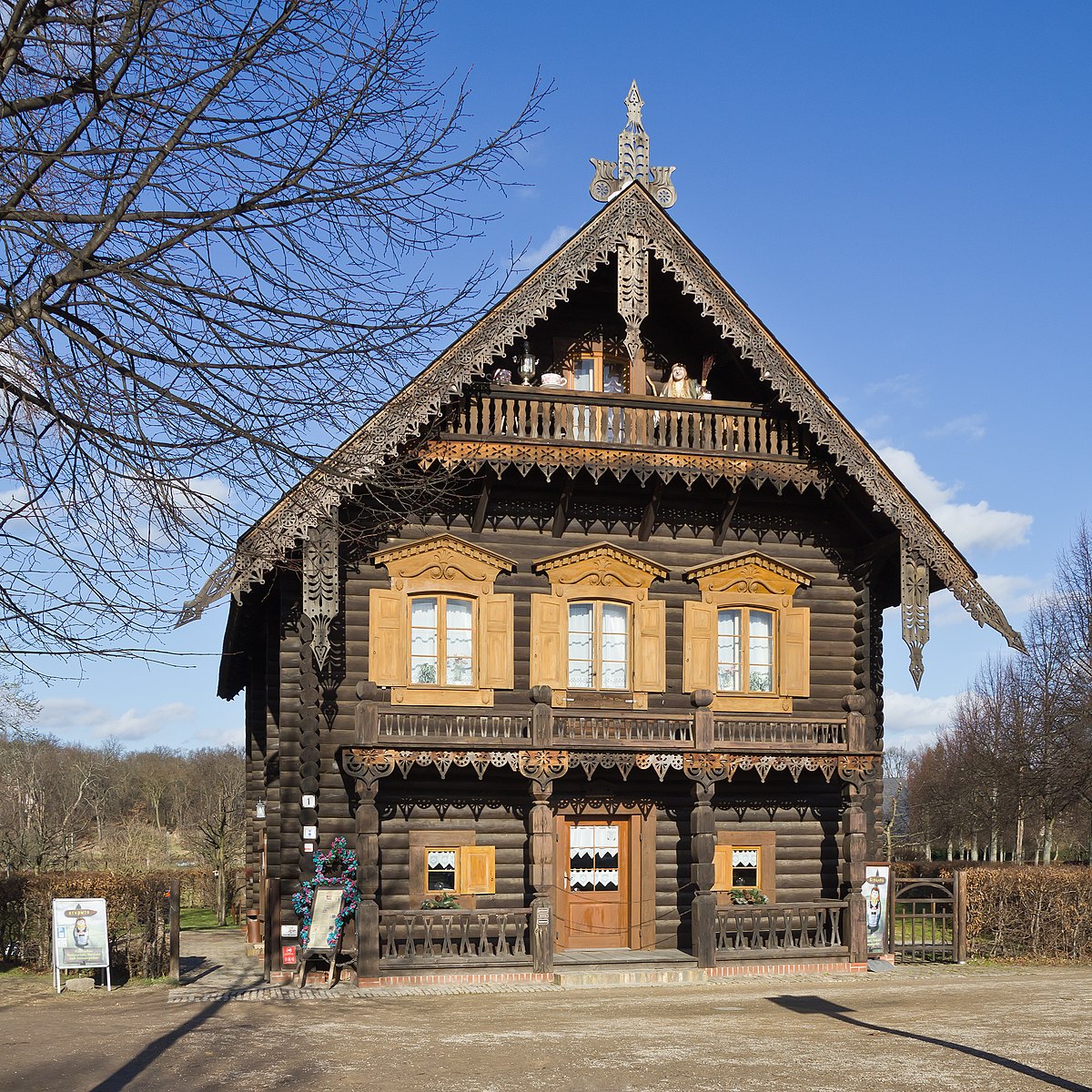
Alexandrowka
📍 Brandenburg, Germany
Located in the picturesque city of Potsdam, Germany, Alexandrowka is an intriguing architectural ensemble that reflects a unique blend of Russian and …

Alhauser Hammer
📍 North Rhine-Westphalia, Germany
Alhauser Hammer is a remarkable architectural ensemble located in Ennepetal, Germany, known for its historical significance as a water-driven hammer …

Alsdorfer Ölmühle
📍 North Rhine-Westphalia, Germany
The Alsdorfer Ölmühle, an architectural ensemble located in the heart of Alsdorf, Germany, is a remarkable example of a traditional watermill that …