
Gröpern 15–18, 18a, Halberstädter Straße 1
Overview
In the heart of Quedlinburg, Germany, an architectural ensemble awaits exploration. Gröpern 15–18 and Halberstädter Straße 1 represent a compelling blend of historical significance and artistic expression. This site, part of a town that is recognized as a UNESCO World Heritage Site, showcases a collection of buildings that speak to the rich heritage of German architecture. The area features structures that encapsulate the essence of various architectural styles that have evolved over centuries, making it a vital stop for those who appreciate history, culture, and the intricacies of design.
Quedlinburg itself is a town steeped in history, with roots that trace back to the early medieval period. The buildings at Gröpern 15–18 and Halberstädter Straße 1 contribute to the town’s narrative, reflecting the architectural evolution influenced by different historical periods, local craftsmanship, and socio-economic changes. Visitors to this site can expect to encounter not only remarkable architectural features but also a palpable sense of the town’s past.
As you walk through this ensemble, take a moment to appreciate the intricate details and the stories they tell. Whether you are an architecture enthusiast, a history buff, or simply a curious traveler, Gröpern 15–18 and Halberstädter Straße 1 promises an enriching experience that deepens your understanding of Quedlinburg’s cultural landscape.
History and Significance
The architectural ensemble at Gröpern 15–18 and Halberstädter Straße 1 is an integral part of Quedlinburg’s historical narrative. This area reflects the development of the town from its early beginnings to its rise as an important center during the Middle Ages. With its designation as a UNESCO World Heritage Site, Quedlinburg’s historical significance is recognized on a global scale, and this ensemble is a key component of that heritage.
The buildings here are emblematic of various architectural styles that were prevalent in Germany, particularly during the medieval and early modern periods. Quedlinburg was an important town during these times, serving as a political and cultural hub. The structures within this ensemble not only showcase the artistry of the craftsmen of their time but also illustrate the socio-economic dynamics of the region. The evolution of these buildings is a testament to the changing tastes and needs of the inhabitants over the centuries.
Culturally, the ensemble represents the collective identity of the town, integrating local traditions with broader European influences. As various architectural elements come together, they create a cohesive representation of Quedlinburg’s historical context, illustrating how architecture can encapsulate the spirit of a place and its people. This site allows visitors to engage with the layers of history that Quedlinburg embodies, making it a significant destination for those interested in the intertwined narratives of architecture and culture.
Architecture and Features
The architectural ensemble at Gröpern 15–18 and Halberstädter Straße 1 is characterized by its diverse range of styles, which reflect the evolution of architectural trends through the centuries. This collection of buildings features elements that are typical of medieval German architecture, with intricate facades and well-preserved structures that provide a visual feast for observers.
The buildings exhibit a variety of designs, showcasing the craftsmanship and attention to detail that were hallmarks of their construction. Visitors will notice the use of local materials, which contribute to the authenticity of the structures. The timber framing, a common feature in German architecture, can be prominently seen here, serving not only as a structural element but also as a decorative one. The interplay of wood and other materials creates a distinctive aesthetic that speaks to the region’s architectural heritage.
Additionally, the ensemble’s layout is significant in understanding how urban spaces were organized in historical contexts. The proximity of the buildings suggests a planned approach to town development, where communal and private spaces coexisted harmoniously. Architectural details such as ornamental carvings, balconies, and window designs allow for an appreciation of the artistic expressions of the time.
As you explore the site, take note of how the architectural features not only enhance the visual appeal but also narrate the story of the people who lived and worked in these spaces. Each building holds a story, and together they create a compelling narrative of Quedlinburg’s architectural legacy.
Visiting Information
Visiting Gröpern 15–18 and Halberstädter Straße 1 is an enriching experience that allows you to delve into the architectural heritage of Quedlinburg. To reach the site, you can utilize various modes of transport, including local buses, walking, or cycling, all of which offer a delightful way to soak in the surroundings as you approach the ensemble.
For the most enjoyable experience, it is advisable to check the official website for current information on opening hours and any potential admission fees. Depending on the time of year, the hours may vary, and special events may also be scheduled that could enhance your visit.
When planning your visit, consider allocating a few hours to fully appreciate the site and its surroundings. The best times to explore are typically during the morning or late afternoon when the light casts interesting shadows on the buildings, adding depth to your photographs and overall experience.
As you wander through the area, you can expect to see not only the architectural highlights but also the vibrant life of the town, with local shops, cafes, and other attractions nearby. This blend of history and contemporary life makes for a multifaceted visit.
Nearby Attractions
While Gröpern 15–18 and Halberstädter Straße 1 is a captivating destination in itself, Quedlinburg offers several nearby attractions that are worth exploring:
Quedlinburg Castle: A historic fortress that overlooks the town, providing insight into the region’s medieval history and stunning views of the surrounding landscape.
St. Servatius Church: This impressive church is known for its remarkable architecture and historical significance, housing a wealth of artifacts and artworks.
Market Square: The heart of Quedlinburg, this square is surrounded by charming buildings and is a great place to experience local culture and cuisine.
Wooden Houses of Quedlinburg: A walk through the streets will reveal numerous timber-framed houses, each with its unique character and history.
Quedlinburg Abbey: A site of historical importance, the abbey offers a glimpse into the spiritual and cultural life of the town in centuries past.
Insider Tips
To make the most of your visit to Gröpern 15–18 and Halberstädter Straße 1, consider these insider tips:
Photography Tips: Early morning or late afternoon light is ideal for capturing the architectural details of the buildings. Consider using a polarizing filter to enhance the colors and reduce glare.
Crowd Avoidance: To enjoy a more peaceful experience, plan your visit during weekdays or outside of peak tourist seasons. Early mornings are often quieter, allowing you to explore without the hustle and bustle.
Practical Information
When visiting Gröpern 15–18 and Halberstädter Straße 1, consider bringing the following:
Comfortable Shoes: The area is best explored on foot, and comfortable footwear will enhance your experience as you walk through the historic streets.
Weather-Appropriate Clothing: Check the forecast before your visit and dress accordingly, as weather conditions can vary throughout the year.
Water and Snacks: While there are nearby cafes, having your own refreshments can be handy, especially if you plan to spend time exploring nearby attractions.
Frequently Asked Questions
How long should I spend visiting?
Typically, visitors spend around 1-3 hours at Gröpern 15–18 and Halberstädter Straße 1, depending on their interest in architecture and history.
Is photography allowed?
Yes, photography is generally permitted, but be respectful of other visitors and the site’s regulations.
Are there guided tours?
While specific guided tours may not be available at the site, local tourist information can provide recommendations for guided tours in Quedlinburg.
What’s the best time to visit?
The best times to visit are during the spring and early autumn when the weather is pleasant, and the tourist crowds are smaller.
Is it wheelchair accessible?
While many areas in Quedlinburg are accessible, the specific accessibility of Gröpern 15–18 and Halberstädter Straße 1 may vary. It’s advisable to check the official website for detailed information.
Can I buy tickets online?
Check the official website for current information on ticketing options, including whether online purchases are available.
Are there restrooms and cafes?
Nearby cafes and facilities may be available, but it’s a good idea to confirm current amenities when you check the official website.
What should I wear?
Dress comfortably and appropriately for the weather, keeping in mind that you’ll be walking and exploring various outdoor spaces.
More in Lower Saxony

2000 Jahre Christentum
📍 Lower Saxony, Germany
The “2000 Jahre Christentum,” a prominent statue located in Brunswick, Germany, serves as a significant cultural landmark that reflects the rich …
A. Heucke
📍 Lower Saxony, Germany
A. Heucke, located in the historic town of Gatersleben in Germany’s Seeland region, represents a significant chapter in the story of industrial …

Aalto Theatre
📍 Lower Saxony, Germany
The Aalto Theatre in Essen, Germany, is a prominent cultural landmark that attracts both local and international visitors. Renowned for its …

Aasee
📍 Lower Saxony, Germany
Aasee is a picturesque lake located in the town of Ibbenbüren, Germany, serving as a popular destination for both locals and visitors alike. This …
Abgunst Mine
📍 Lower Saxony, Germany
Abgunst Mine, located in the industrial heart of Essen, Germany, is a significant heritage site that represents the country’s rich mining history. As …

Accumer Mühle
📍 Lower Saxony, Germany
Accumer Mühle is a captivating windmill located in Schortens, Germany, that showcases the remarkable engineering of traditional European mills. This …
More Architectural Ensembles

144., 176. und 184. Gemeindeschule
📍 Berlin, Germany
The 144., 176. und 184. Gemeindeschule, an architectural ensemble located in the vibrant city of Berlin, stands as a noteworthy example of educational …

Adelheidstraße 3–7, 9–12, 12a, 14, 15, 22–31, Amelungstraße 1, Friedrich-Ebert-Platz
📍 Lower Saxony, Germany
In the heart of Quedlinburg, Germany, lies a captivating architectural ensemble that reflects the town’s historical significance and cultural …

Aegidiimarkt
📍 Lower Saxony, Germany
Aegidiimarkt is a captivating architectural ensemble located in the heart of Münster, Germany. This vibrant square not only serves as a hub for local …
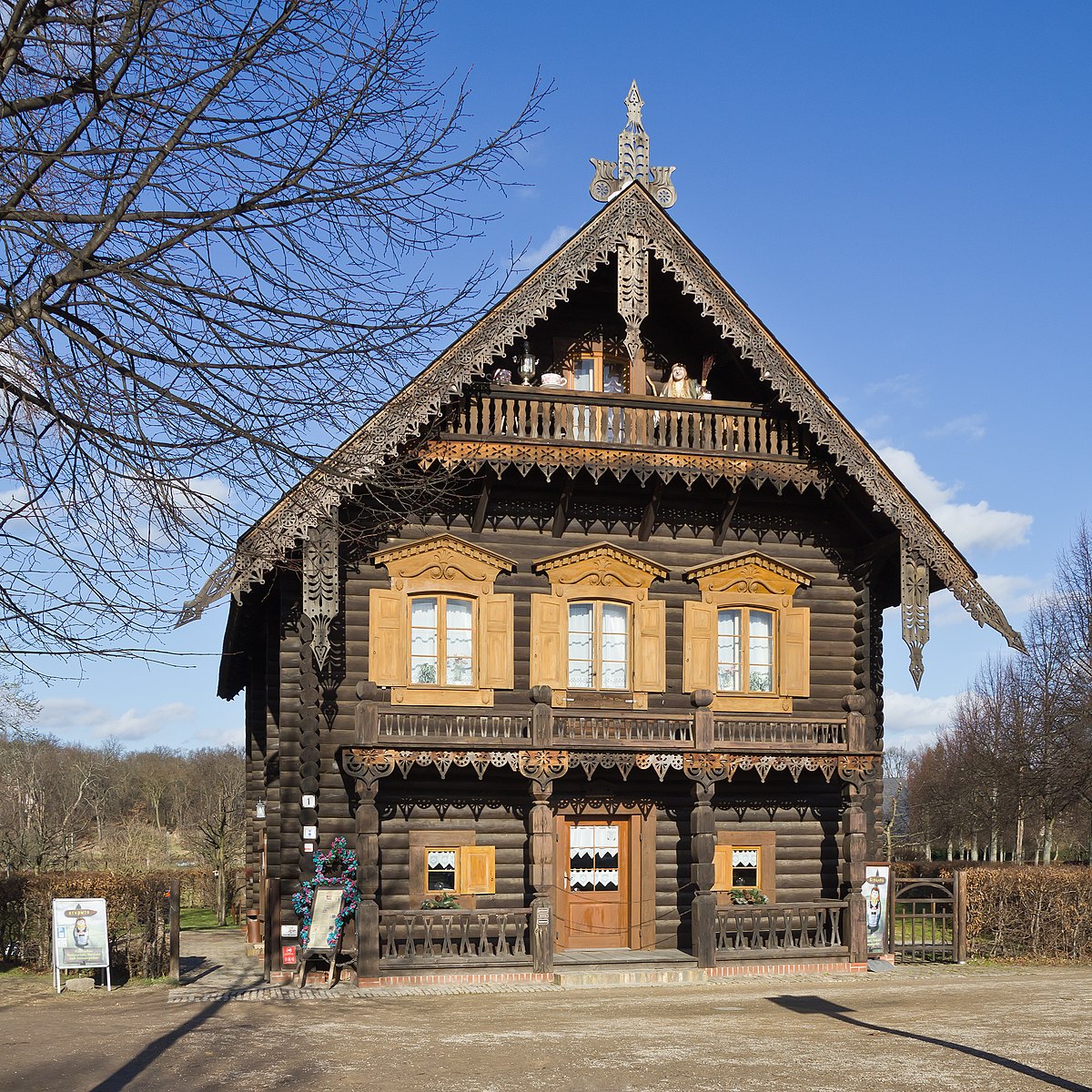
Alexandrowka
📍 Brandenburg, Germany
Located in the picturesque city of Potsdam, Germany, Alexandrowka is an intriguing architectural ensemble that reflects a unique blend of Russian and …

Alhauser Hammer
📍 North Rhine-Westphalia, Germany
Alhauser Hammer is a remarkable architectural ensemble located in Ennepetal, Germany, known for its historical significance as a water-driven hammer …

Alsdorfer Ölmühle
📍 North Rhine-Westphalia, Germany
The Alsdorfer Ölmühle, an architectural ensemble located in the heart of Alsdorf, Germany, is a remarkable example of a traditional watermill that …