Overview
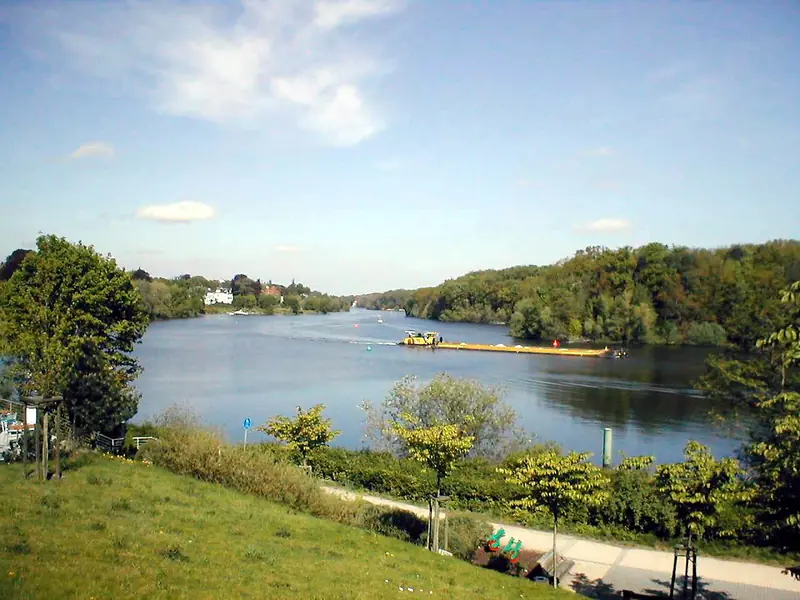
Griebnitzsee is a captivating lake located in Babelsberg, Berlin, Germany. This serene body of water, set against the backdrop of a vibrant urban landscape, serves as a natural oasis for both locals and visitors alike. Its tranquil waters and surrounding greenery provide a picturesque setting for a variety of recreational activities, making it a favored destination for those seeking a retreat from the hustle and bustle of city life. The lake is not only significant for its natural beauty but also for its role in the cultural and historical fabric of the region.
With coordinates at 52.3975° N, 13.1239° E, Griebnitzsee lies in close proximity to Berlin’s iconic attractions, allowing for easy access. The lake is part of the larger network of water bodies in the area, contributing to the biodiversity and ecological richness of the region. Its allure lies in the balance it strikes between natural beauty and urban accessibility, drawing nature enthusiasts, families, and those interested in exploring the rich cultural narratives that surround it.
History and Significance
Griebnitzsee has a storied history that intertwines with the development of Berlin and its surrounding areas. The lake has been an important landmark since its formation, which reflects the historical evolution of water management and urban planning in the region. As a part of the Havel River system, Griebnitzsee has played a key role in the transportation and trade routes that have historically linked Berlin with other parts of Germany.
The cultural significance of Griebnitzsee is amplified by its connection to the nearby Babelsberg Park, a UNESCO World Heritage Site. This park, along with the lake, showcases the grandeur of 19th-century landscape design and its influence on the cultural identity of the area. It served as a retreat for the Prussian elite and has been a source of inspiration for artists, writers, and filmmakers throughout the decades. The presence of historical structures, such as the Babelsberg Palace, enhances the lake’s cultural landscape, offering insights into the architectural styles and social dynamics of the time.
Griebnitzsee also holds ecological importance. As a natural site, it supports a diverse range of flora and fauna, contributing to the ecological health of the region. The lake’s waters provide a habitat for various aquatic species, while the surrounding areas serve as a refuge for birds and other wildlife. This interplay between nature and human influence highlights the ongoing need for conservation efforts to maintain the integrity of such natural sites.
Architecture and Features
The physical characteristics of Griebnitzsee contribute to its charm and appeal. The lake spans a considerable area, with its shoreline adorned by lush vegetation and trees that create a scenic backdrop. The water’s surface is often calm, reflecting the sky and surrounding landscape, which provides an excellent opportunity for photography and relaxation.
In terms of notable features, the lake is flanked by walking paths that encourage visitors to explore its perimeter. These pathways are ideal for leisurely strolls, jogging, or cycling, allowing for an immersive experience in nature. Additionally, the proximity of Babelsberg Park adds to the visual appeal of Griebnitzsee, with its manicured gardens and historical structures enhancing the overall aesthetic of the area.
The lake is also known for its recreational opportunities. During warmer months, visitors can engage in various activities such as boating, swimming, and fishing. The peaceful ambiance of Griebnitzsee makes it an ideal spot for picnicking and enjoying outdoor gatherings, further solidifying its reputation as a beloved local destination.
Visiting Information
Visiting Griebnitzsee is a delightful experience, with various transport options available to reach this natural site. Public transit can provide easy access, with bus and train routes connecting the lake to central Berlin. Visitors are encouraged to check the official website for current information on schedules and routes.
Upon arrival, expect a friendly atmosphere where nature enthusiasts and families come together. The lake area can be explored at a leisurely pace, with many visitors opting to spend a few hours enjoying the scenery and engaging in recreational activities. The best times to visit are during the spring and summer months when the weather is conducive to outdoor activities, although autumn offers a stunning display of fall foliage.
Check the official website for hours and prices related to specific activities or amenities at the lake. Griebnitzsee can be visited year-round, but the experience may vary with the seasons. Whether you plan to spend a few hours or an entire day, Griebnitzsee promises a refreshing escape into nature.
Nearby Attractions
Babelsberg Park: A UNESCO World Heritage Site, this historical park features beautiful gardens, walking paths, and noteworthy architecture, including the Babelsberg Palace.
Filmpark Babelsberg: A film-themed amusement park, offering attractions and shows that celebrate the rich history of film production in Germany.
Sanssouci Palace: Located a short distance away, this grand palace is an iconic representation of Frederick the Great’s legacy and features stunning gardens and elaborate architecture.
Potsdam: The nearby city of Potsdam is rich in history and culture, with numerous museums, parks, and the famous Dutch Quarter to explore.
Glienicke Bridge: Known for its role during the Cold War, this bridge offers historical significance and scenic views of the surrounding area.
Insider Tips
For photography enthusiasts, early mornings or late afternoons provide the best light for capturing the serene beauty of Griebnitzsee. The soft golden hues of sunrise or sunset can enhance your images, especially when reflecting off the lake’s surface. Additionally, consider exploring the quieter paths around the lake to avoid crowds, particularly during peak times on weekends.
Bring along a picnic blanket and some refreshments if you plan to spend a leisurely day by the lake. This allows you to fully immerse yourself in the natural surroundings without the need to rush. If you seek solitude, visit on weekdays when the area is less crowded.
Practical Information
When planning your visit to Griebnitzsee, consider bringing essentials such as water, sunscreen, and comfortable walking shoes. Depending on the season, layering your clothing can help you adapt to changing temperatures throughout the day.
In summer, light clothing and swimwear are advisable if you plan to enjoy the water, while in autumn and spring, a light jacket may be necessary. Seasonal considerations, such as the blooming of flowers in spring or the vibrant foliage in fall, can enhance your experience, making each visit unique.
Frequently Asked Questions
How long should I spend visiting?
A visit to Griebnitzsee can vary depending on your interests, but most visitors spend between two to four hours exploring the area.
Is photography allowed?
Yes, photography is encouraged at Griebnitzsee. The tranquil surroundings provide excellent opportunities for capturing nature and landscapes.
Are there guided tours?
Currently, there are no specific guided tours for Griebnitzsee. However, visitors can explore the area independently or join walking tours in nearby Babelsberg Park.
What’s the best time to visit?
The best times to visit Griebnitzsee are during the spring and summer months for pleasant weather, although autumn offers beautiful foliage.
Is it wheelchair accessible?
Access may vary depending on specific paths and areas. It’s advisable to check the official website for detailed accessibility information.
Can I buy tickets online?
Check the official website for the latest information regarding any activities or amenities that may require tickets.
Are there restrooms and cafes?
Facilities may vary; check the official website for information on available amenities at Griebnitzsee.
What should I wear?
Wear comfortable clothing and footwear suitable for walking. Seasonal clothing adjustments may be needed based on the time of year.