
Gotisches Haus
Overview
Located in the picturesque region of Oranienbaum-Wörlitz, Germany, Gotisches Haus is an intriguing museum that invites visitors to explore its unique architectural style and cultural significance. Situated at coordinates 51.849, 12.4213, this building is an emblem of the area’s historical narrative, reflecting the artistic and social movements that shaped it. As part of the larger Wörlitz Garden Realm, a UNESCO World Heritage Site, Gotisches Haus offers a glimpse into the past, showcasing the blend of aesthetics and function that characterizes the era in which it was constructed.
Visitors to Gotisches Haus can expect an enriching experience that not only highlights the architectural beauty of the structure but also delves into the cultural context of the time. The museum serves as a repository of knowledge and artifacts, making it an essential stop for anyone interested in European heritage. Whether you’re a history enthusiast, an architecture lover, or simply looking for a unique destination, Gotisches Haus promises to deliver an engaging exploration of Germany’s rich past.
History and Significance
The Gotisches Haus has a storied past that reflects the broader historical trends of its time. Although specific dates of construction and major events are not detailed, the building is part of the Wörlitz Garden Realm, which was developed as a synthesis of nature and art in the 18th century. This period saw a rise in the appreciation for neo-Gothic architecture, which is evident in the design and structure of Gotisches Haus.
As a museum, it plays a crucial role in preserving the history and culture of the region. The building itself is a manifestation of the Enlightenment ideals that influenced various aspects of European society, including art, philosophy, and architecture. The significance of Gotisches Haus lies not only in its architectural style but also in its function as a cultural and educational hub, inviting visitors to engage with the history and narratives that define this part of Germany.
The museum often features exhibitions that explore the artistic and cultural movements of the time, providing context to the architectural choices made in the building’s design. This connection between the structure and the broader cultural landscape enhances the visitor’s understanding of its importance. While specific events or milestones in the history of Gotisches Haus may not be detailed, its role in the cultural fabric of Oranienbaum-Wörlitz is undeniable, making it a significant point of interest for those exploring the area.
Architecture and Features
Gotisches Haus is a remarkable example of neo-Gothic architecture, characterized by its pointed arches, intricate detailing, and vertical lines that draw the eye upward. The building’s design reflects the aesthetic preferences of the period, showcasing a blend of medieval influences with the stylistic innovations of the 18th century. Although specific architectural details are not provided, visitors can expect to see features typical of the neo-Gothic style, which often includes ornate windows, decorative stonework, and a harmonious relationship between the building and its surrounding landscape.
The museum’s layout is designed to facilitate the display of various artifacts and exhibitions, allowing for an engaging experience as visitors navigate through the space. The interior may feature rooms dedicated to different themes or periods, inviting exploration and discovery. While the precise dimensions and other physical characteristics are not available, the building’s overall aesthetic contributes to its significance as a cultural landmark.
As part of the larger Wörlitz Garden Realm, Gotisches Haus is integrated into a landscape that enhances its architectural beauty. The natural surroundings provide a stunning backdrop, highlighting the relationship between the built environment and the natural world. This connection reinforces the principles of harmony and balance that were central to the Enlightenment ideals that influenced the creation of the Wörlitz Garden Realm.
Visiting Information
Visitors planning a trip to Gotisches Haus will find it easily accessible from various transport options in Oranienbaum-Wörlitz. The site is conveniently located within the Wörlitz Garden Realm, making it a logical stop for those exploring the area. Check the official website for current information on opening hours and ticket prices, as these details can vary.
The typical visit to Gotisches Haus may take a couple of hours, allowing ample time to explore the exhibitions and appreciate the architectural features of the building. As the museum is part of a larger cultural landscape, visitors are encouraged to allocate additional time to enjoy the surrounding gardens and other attractions nearby.
For those looking to avoid crowds, visiting during weekdays or in the early morning can provide a more serene experience. The best times to visit may vary based on personal preference, but spring and summer often offer pleasant weather for exploring the outdoor areas of the Wörlitz Garden Realm.
Nearby Attractions
The Oranienbaum-Wörlitz region is rich in attractions that complement a visit to Gotisches Haus. Here are a few notable sites nearby:
Wörlitzer Park: A UNESCO World Heritage Site, this expansive landscape park features a variety of architectural styles, gardens, and lakes, providing a perfect setting for leisurely walks and picnics.
Oranienbaum Palace: This Baroque palace, located a short distance from Gotisches Haus, offers exquisite architecture and beautifully landscaped gardens, making it a worthwhile addition to your itinerary.
Gartenreich Dessau-Wörlitz: This cultural landscape is a part of the larger Wörlitz Garden Realm and showcases the harmonious integration of nature and art through its gardens, parks, and buildings.
Mausoleum in Wörlitz: An impressive structure located within the Wörlitz Park, this mausoleum adds an intriguing historical layer to the visit, highlighting the area’s cultural significance.
The Wörlitz Church: This neo-Gothic church features beautiful stained glass windows and a serene atmosphere, offering visitors a chance to reflect on the architectural beauty of the region.
Insider Tips
For those planning to visit Gotisches Haus, here are a few insider tips to enhance your experience:
Photography: While photography may be allowed in some areas, it’s always best to check for any restrictions, especially in exhibition spaces. Capture the intricate architectural details and the surrounding gardens for memorable keepsakes.
Crowd Avoidance: To enjoy a quieter experience, consider visiting during the shoulder seasons of spring or early autumn. Weekdays often see fewer visitors compared to weekends, allowing for a more relaxed exploration.
Practical Information
When visiting Gotisches Haus, it’s advisable to bring a few essentials to make your experience enjoyable. Comfortable walking shoes are recommended due to the exploration of both the interior and the surrounding gardens. If you plan to spend time outdoors, consider bringing sunscreen and a hat, especially during the warmer months.
Seasonal considerations include checking the weather forecast before your visit, as conditions can vary. Spring and summer offer ideal weather for exploring the gardens, while fall can provide beautiful foliage. Be sure to dress appropriately for the weather to fully enjoy your time outdoors.
Frequently Asked Questions
How long should I spend visiting?
A visit to Gotisches Haus typically takes about 1 to 2 hours, depending on your interest in the exhibitions and the surrounding gardens.
Is photography allowed?
Photography policies can vary; check for any restrictions upon entry, particularly in exhibition areas.
Are there guided tours?
Information on guided tours may be available on the official website. It’s advisable to check in advance for any scheduled tours or special events.
What’s the best time to visit?
The best time to visit is typically during the spring and summer months when the gardens are in full bloom. Weekdays often provide a quieter experience than weekends.
Is it wheelchair accessible?
Check with the official website for specific accessibility options and accommodations available at Gotisches Haus.
Can I buy tickets online?
Ticket purchasing options may be available online. It’s recommended to check the official website for current information.
Are there restrooms and cafes?
Facilities such as restrooms may be available on-site. Check the official website for details on dining options within the museum or nearby.
What should I wear?
Comfortable clothing and shoes are advisable, especially if you plan to explore the outdoor areas. Dress in layers to accommodate changing weather conditions.
More in Brandenburg
Agnetenkloster
📍 Brandenburg, Germany
Agnetenkloster, a former monastery located in the heart of Magdeburg, Germany, invites visitors to explore its serene ambiance and historical …

Agroneum
📍 Brandenburg, Germany
Agroneum is a museum located in the serene landscape of Alt Schwerin, Germany. This establishment serves as a vibrant hub for those interested in the …

Alexander Nevsky Memorial Church
📍 Brandenburg, Germany
The Alexander Nevsky Memorial Church in Potsdam, Germany, offers visitors a unique glimpse into the city’s cultural and religious heritage. This …
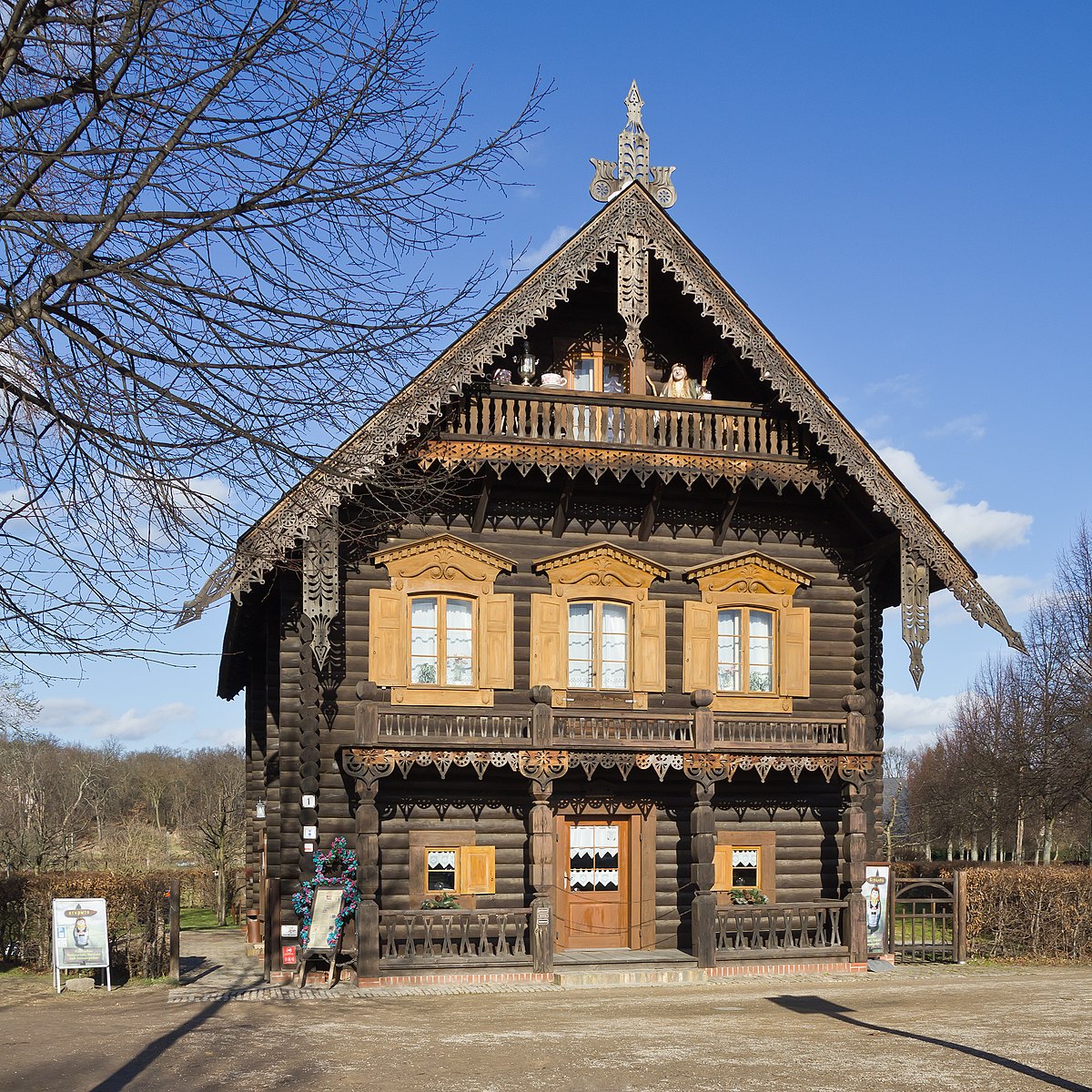
Alexandrowka
📍 Brandenburg, Germany
Located in the picturesque city of Potsdam, Germany, Alexandrowka is an intriguing architectural ensemble that reflects a unique blend of Russian and …

Alte Burg Penzlin
📍 Brandenburg, Germany
Alte Burg Penzlin, a captivating castle located in the quaint town of Penzlin, Germany, serves as a remarkable example of medieval architecture and …

Alte Dorfkirche Röxe
📍 Brandenburg, Germany
The Alte Dorfkirche Röxe stands as a poignant symbol of architectural and cultural history in the Stendal region of Germany. This church building, …
More Buildings

Kavaliershaus
📍 Berlin, Germany
Kavaliershaus, located in the district of Steglitz-Zehlendorf in Germany, is a distinctive architectural structure that captures the attention of both …

Meierei auf der Pfaueninsel
📍 Berlin, Germany
Meierei auf der Pfaueninsel, located in the scenic Steglitz-Zehlendorf district of Germany, is a captivating building that embodies the architectural …

Römisches Haus, Weimar
📍 Saxony-Anhalt, Germany
Römisches Haus in Weimar, Germany, presents a striking example of architectural elegance and historical significance in a city renowned for its …

Schwedenhaus
📍 Brandenburg, Germany
Schwedenhaus is a notable building located in Dessau-Roßlau, Saxony-Anhalt, Germany. This structure serves as a reminder of the region’s architectural …