Overview
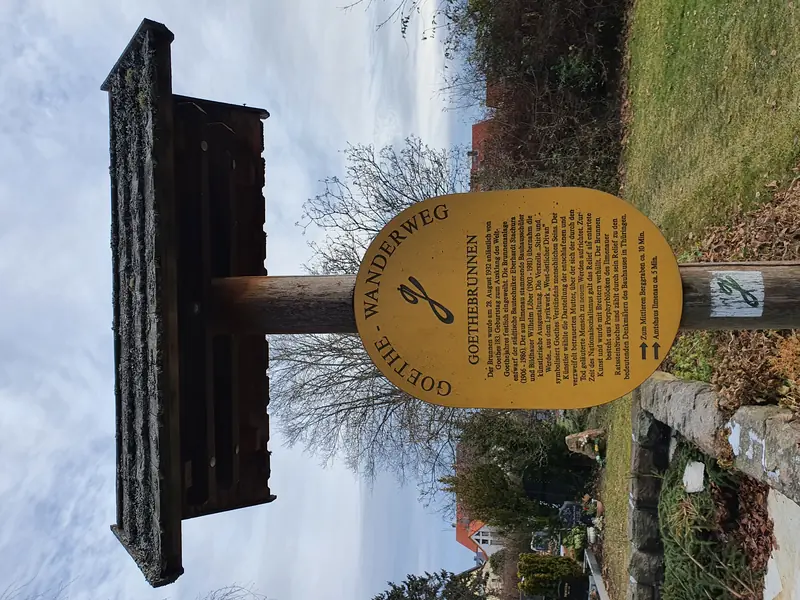
In the heart of Germany, the Goethebrunnen stands as a historic fountain that not only quenches thirst but also offers a glimpse into the cultural significance of public art and communal gathering. This monument, dedicated to the illustrious German writer and statesman Johann Wolfgang von Goethe, is part of a broader tradition of public fountains that have served as vital social and artistic landmarks throughout the ages. The fountain is situated at coordinates 50.6891971, 10.9124472, a location that invites visitors to pause and reflect on the literary heritage that shapes much of German culture.
As you approach the Goethebrunnen, you’ll find it surrounded by an ambiance that resonates with both locals and tourists alike. This historic site is an emblem of pride for the community, offering a serene spot for contemplation and a connection to the literary past. The fountain’s presence enhances the urban landscape, encouraging visitors to explore the surrounding areas and engage with the stories that lie within the city’s streets. The Goethebrunnen not only serves as a refreshing oasis but also as a cultural landmark that invites inquiry and admiration.
History and Significance
The Goethebrunnen is more than just a functional piece of architecture; it represents a convergence of art and literature in public spaces. The fountain’s dedication to Johann Wolfgang von Goethe underscores the importance of literature in shaping German identity. Goethe, a prominent figure of the Weimar Classicism movement, is celebrated for his contributions to German literature, philosophy, and natural sciences. His works, which include “Faust” and “The Sorrows of Young Werther,” have influenced generations of writers, artists, and thinkers, both in Germany and abroad.
While specific dates regarding its construction and inauguration are not detailed, the fountain’s establishment can be traced back to the era when public art became an essential feature of urban life. During this time, cities began to recognize the value of integrating artistic expressions into public spaces, allowing for both aesthetic appreciation and community interaction. The Goethebrunnen serves as a reminder of this cultural shift, inviting visitors to engage with the literary legacies that are so deeply rooted in German history.
As a monument, the Goethebrunnen stands not only as a tribute to Goethe himself but also as a symbol of the collective memory of the people. It encourages gatherings and reflections, making it a focal point for cultural events and social interactions. The fountain thus plays a crucial role in preserving and promoting the literary heritage of Germany, serving as a reminder of the enduring impact of Goethe’s work on contemporary society.
Architecture and Features
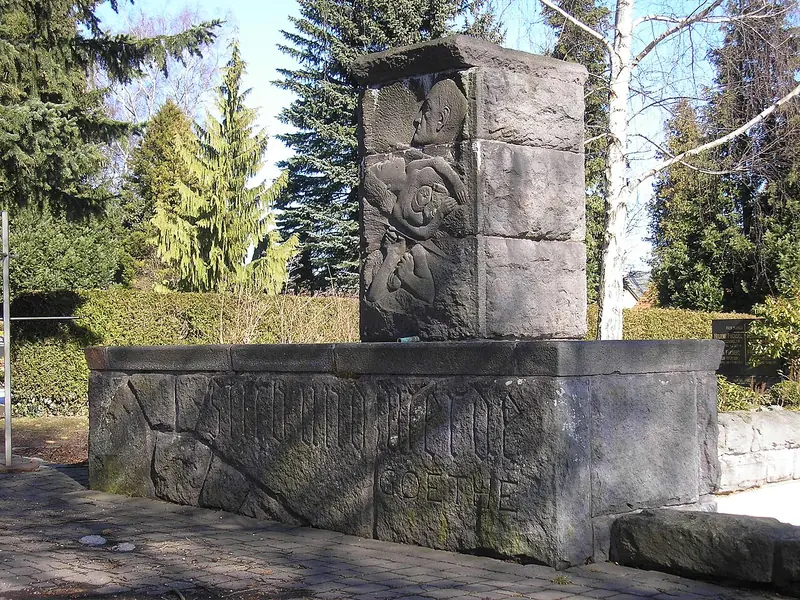
The Goethebrunnen is characterized by its elegant design that seamlessly blends functionality with aesthetic appeal. As a historic fountain, it features classic architectural elements that are often associated with public monuments of its time. The craftsmanship evident in its construction reflects the artistic values of the period, emphasizing the importance of beauty in everyday public life.
Notable features of the fountain include intricate sculptural details, which may depict allegorical figures or elements that resonate with Goethe’s literary themes. These artistic embellishments not only enhance the visual appeal of the fountain but also enrich its narrative, inviting visitors to ponder the stories behind the sculptures. The water flow, a critical aspect of any fountain, serves both practical and symbolic purposes, representing the flow of ideas and culture through the city.
The setting of the Goethebrunnen adds to its charm, often accompanied by landscaped areas that provide a tranquil escape from the urban environment. The fountain’s design encourages interaction, whether through the gentle sound of flowing water or the inviting space it creates for visitors to sit and enjoy the surroundings. This combination of artistry and natural beauty makes the Goethebrunnen a compelling site for both contemplation and social gathering.
Visiting Information
Visiting the Goethebrunnen is an enriching experience, offering insights into German culture and history in a serene environment. The fountain is accessible via various modes of transport, making it easy for visitors to incorporate it into their itinerary. Depending on your starting point, public transportation options such as buses and trains may be available, and local maps can guide you through the nearby streets.
Check the official website for current information regarding hours and any potential entry fees. While the fountain can be enjoyed year-round, certain times may offer a more vibrant experience, particularly during local events or festivals that utilize public spaces for cultural expression.
A visit to the Goethebrunnen typically requires a short amount of time, perhaps an hour or so, to fully appreciate the site and its significance. However, those who wish to linger may find that the surrounding area offers additional attractions and opportunities for exploration.
The best times to visit are often early in the morning or later in the afternoon when the light casts a warm glow over the fountain, enhancing its beauty. Additionally, weekdays may offer a quieter experience compared to bustling weekends.
Nearby Attractions
Goethe’s House: This museum dedicated to Johann Wolfgang von Goethe is a short distance from the fountain and provides a deeper understanding of the writer’s life and works.
The Old Botanical Garden: A peaceful retreat, this garden features a variety of plant species and is a lovely place for a leisurely stroll.
Weimar City Castle: Just a walk away, this historic castle offers insights into the region’s aristocratic past and stunning architecture.
Bauhaus Museum: For those interested in modern art and design, this museum showcases the influential Bauhaus movement and its impact on architecture and design.
Park an der Ilm: A beautiful park that reflects the landscape design principles of the 18th century, providing a scenic backdrop for a relaxing day outdoors.
Insider Tips
For photography enthusiasts, the Goethebrunnen provides a picturesque subject, especially during the golden hours of sunrise and sunset. The play of light on the water and the surrounding architecture can result in striking images. To avoid crowds, consider visiting during weekday mornings or off-peak seasons, allowing for a more tranquil experience.
Additionally, if you are looking to capture the fountain’s essence, experiment with different angles and perspectives—close-ups of the intricate details can reveal the craftsmanship that might go unnoticed at first glance.
Practical Information
When planning your visit to the Goethebrunnen, it’s advisable to bring along a camera for capturing memories, as well as a water bottle to stay hydrated, especially if you plan to explore the nearby attractions. Comfortable walking shoes are recommended, as the surrounding area is best experienced on foot.
Seasonal considerations may also play a role in your visit. In warmer months, the fountain can be a refreshing spot to take a break, while cooler months may offer a more subdued atmosphere perfect for quiet reflection. Regardless of the season, checking the official website for current information regarding any events or changes in accessibility can enhance your visit.
Frequently Asked Questions
How long should I spend visiting?
While a visit to the Goethebrunnen can be completed in about an hour, those looking to explore the surrounding area may wish to dedicate more time.
Is photography allowed?
Yes, photography is typically allowed at the Goethebrunnen. Visitors are encouraged to capture the beauty of the fountain and its surroundings.
Are there guided tours?
Check local listings or the official website for information on whether guided tours are available for a more in-depth experience.
What’s the best time to visit?
Early mornings or late afternoons are ideal for visiting the Goethebrunnen, as these times often provide a quieter atmosphere and beautiful lighting for photography.
Is it wheelchair accessible?
Accessibility details may vary; check the official website for the latest information regarding wheelchair access to the fountain and surrounding areas.
Can I buy tickets online?
While the Goethebrunnen itself may not require tickets, check the official website for any potential fees related to nearby attractions or guided tours.
Are there restrooms and cafes?
Nearby facilities may offer restrooms and refreshment options. It’s advisable to check local maps or the official website for specifics.
What should I wear?
Comfortable clothing and footwear are recommended, especially if you plan to explore the surrounding area extensively. Seasonal considerations may also dictate your choice of attire.
Photo Gallery