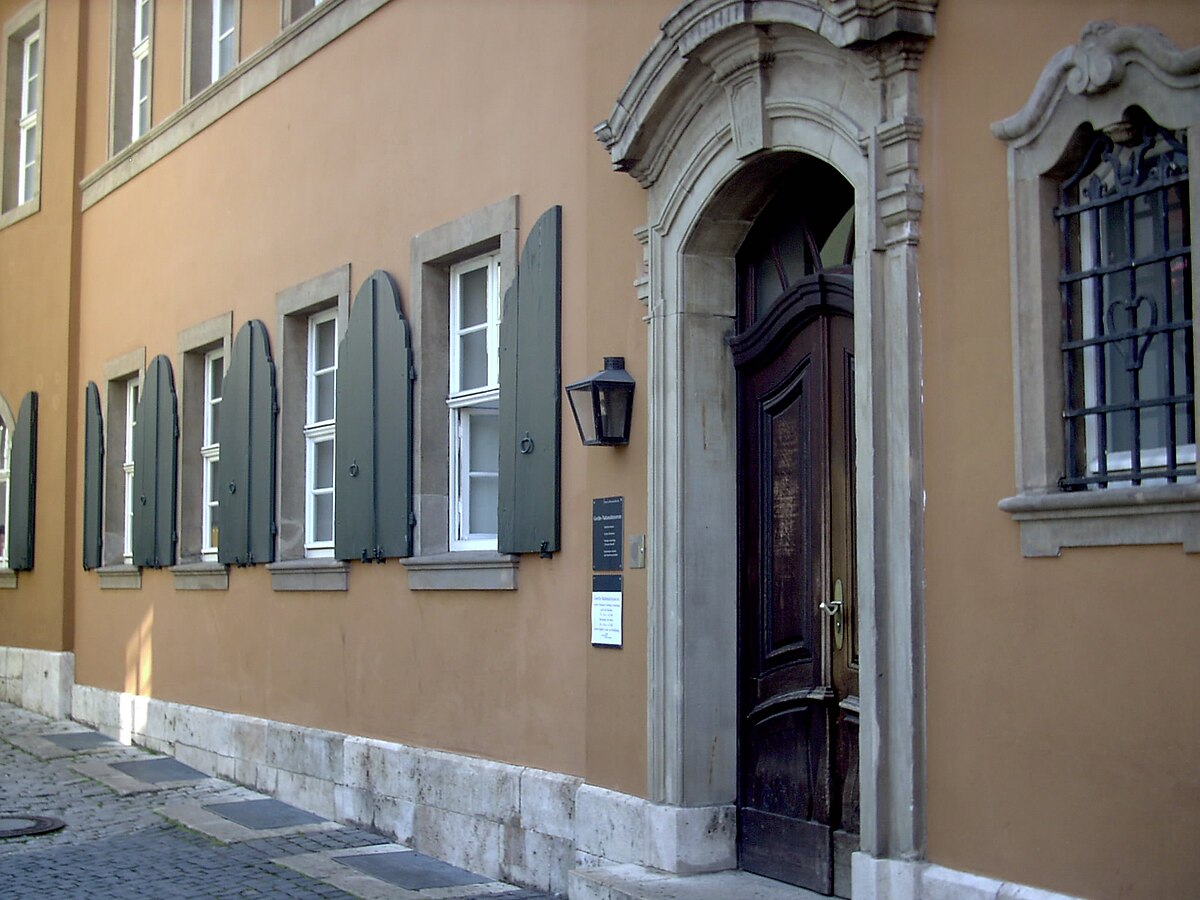
Goethe-Nationalmuseum
Overview
The Goethe-Nationalmuseum, located in the heart of Weimar, Germany, stands as a prominent institution dedicated to honoring the life and works of one of Germany’s most celebrated literary figures, Johann Wolfgang von Goethe. This museum not only showcases an impressive array of Goethe’s literary contributions but also provides a profound insight into his life, philosophy, and the cultural milieu of the late 18th and early 19th centuries. Weimar, a city known for its rich artistic heritage and intellectual legacy, serves as an appropriate backdrop for this homage to Goethe.
The museum is housed in the very building where Goethe lived and worked for many years, establishing a direct connection between the author’s life and his creative output. Visitors can expect to engage with a variety of exhibitions that include original manuscripts, personal items, and artworks that illustrate Goethe’s profound influence on literature and the arts. A visit to the Goethe-Nationalmuseum promises to enrich your understanding of not just Goethe himself, but also the broader cultural currents of his time.
History and Significance
The Goethe-Nationalmuseum plays a vital role in preserving and promoting Goethe’s legacy. Goethe was not only a poet and playwright but also a philosopher, scientist, and statesman, whose works have had a lasting impact on literature and the arts. The museum was established in the early 20th century, recognizing the necessity of curating Goethe’s extensive body of work and personal artifacts for future generations.
The collection spans various genres and forms, offering insight into Goethe’s creative process and the evolution of his thought. The museum also highlights the cultural context of Weimar during Goethe’s time, a city that attracted many other artists and intellectuals, contributing to what is often referred to as the Weimar Classicism. Here, Goethe collaborated with other luminaries such as Friedrich Schiller, creating an environment rich in creativity and innovation.
By visiting the museum, one can appreciate not only the literary achievements of Goethe but also the significance of Weimar as a center of culture and thought in Europe. The museum serves as a cultural hub, facilitating discussions, exhibitions, and educational programs that continue to engage audiences with Goethe’s work and the broader themes of human experience and creativity.
Architecture and Features
The Goethe-Nationalmuseum is situated within a historic building that reflects the architectural style of its time. The structure itself is significant, as it was once the residence of Goethe, providing an authentic atmosphere for visitors. The museum’s interiors have been thoughtfully curated to reflect the period in which Goethe lived, offering an immersive experience that transports visitors into the world of the 18th century.
Within the museum, you will find various rooms that showcase different aspects of Goethe’s life and work. These include personal artifacts, manuscripts, and first editions of his literary works. The layout encourages exploration, with each room revealing new layers of Goethe’s multifaceted personality and intellect.
Notable features of the museum include exhibitions that detail Goethe’s correspondence with contemporaries, his scientific explorations, and his contributions to the fields of art and philosophy. The museum also often hosts temporary exhibitions that delve into specific themes related to Goethe’s life, providing fresh perspectives and insights.
Visiting Information
Visiting the Goethe-Nationalmuseum is a rewarding experience for those interested in literature, history, and culture. The museum is accessible via various forms of public transport, making it easy to reach for both local and international visitors.
It is advisable to check the official website for current information regarding hours of operation and ticket prices, as these can vary throughout the year. Generally, visitors can expect to spend a couple of hours exploring the museum, allowing ample time to engage with the exhibits and soak in the atmosphere.
The best times to visit would be during weekdays when the museum tends to be less crowded, providing a more intimate experience with the exhibits. Alternatively, consider visiting during special events or exhibitions that may offer unique insights into Goethe’s life and work.
Nearby Attractions
While in Weimar, there are several other attractions that complement a visit to the Goethe-Nationalmuseum.
Schiller Museum: Dedicated to the works of Friedrich Schiller, a contemporary of Goethe, this museum offers a fascinating look into another key figure of German literature.
Bauhaus Museum Weimar: Celebrating the Bauhaus movement, this museum showcases the impact of design and architecture on modern art.
Weimar Palace: A short walk from the museum, this historical palace features beautiful gardens and rich history, providing a glimpse into the life of nobility in Weimar.
Cranach House: This historic building is connected to the painter Lucas Cranach and offers insights into the art scene of the time.
Park an der Ilm: A picturesque park that complements the cultural richness of Weimar and offers a peaceful retreat for visitors.
Insider Tips
When visiting the Goethe-Nationalmuseum, photography may be limited in certain areas, so it is advisable to check for signage regarding photography policies. To avoid crowds, consider going early in the morning or later in the afternoon, especially on weekdays. This will allow for a more personal experience with the exhibits.
If you are particularly interested in specific aspects of Goethe’s work, a little prior research can enhance your visit. This will allow you to engage more deeply with the exhibitions and the context of his life and contributions.
Practical Information
When planning your visit to the Goethe-Nationalmuseum, consider bringing a small bag for personal items and possibly a notebook if you wish to jot down thoughts or reflections. Dress comfortably, as you may be walking around for an extended period.
Seasonal considerations are important; if you visit during peak tourist seasons, be prepared for larger crowds. Conversely, visiting during the off-peak seasons may offer a quieter experience. Always check the official website for any seasonal events or exhibitions that may enhance your visit.
Frequently Asked Questions
How long should I spend visiting?
A visit typically takes around 2-3 hours, allowing ample time to explore the exhibits and engage with the museum’s offerings.
Is photography allowed?
Photography policies may vary by exhibit, so it is advisable to check for signage regarding photography restrictions within the museum.
Are there guided tours?
Check the official website for information on guided tours, as these can offer deeper insights into the exhibits and Goethe’s life.
What’s the best time to visit?
Weekdays tend to be less crowded, providing a more intimate experience. Consider visiting during special events for unique perspectives.
Is it wheelchair accessible?
Accessibility information is subject to change, so please check the official website for current details regarding wheelchair access.
Can I buy tickets online?
Check the official website for the option to purchase tickets online, which may save time during your visit.
Are there restrooms and cafes?
Facilities such as restrooms and nearby cafes are typically available; however, it’s best to confirm this on the official website.
What should I wear?
Dress comfortably for walking and consider checking the weather forecast to dress appropriately for your visit.
More in Saxony-Anhalt

Ägidienkurie (Naumburg)
📍 Saxony-Anhalt, Germany
The Ägidienkurie, a quaint chapel located in the heart of Naumburg, Germany, offers visitors a glimpse into the rich ecclesiastical heritage of the …
Al-Kholafa´a Moschee
📍 Saxony-Anhalt, Germany
The Al-Kholafa´a Moschee, located in Weimar, Germany, is a significant religious site that embodies the cultural diversity of this historic city. As a …

Alte Oper
📍 Saxony-Anhalt, Germany
The Alte Oper, a distinguished theatre building in Erfurt, Germany, serves as a vibrant hub for cultural events and artistic performances. This …

Altes Schloss Dornburg
📍 Saxony-Anhalt, Germany
Altes Schloss Dornburg, a magnificent palace located in the charming region of Dornburg-Camburg, Germany, is a site that draws visitors with its …

Anatomieturm Jena
📍 Saxony-Anhalt, Germany
The Anatomieturm Jena, a historic tower located in the city of Jena, Germany, is an intriguing remnant of the region’s architectural heritage. This …

Andreaskirche (Erfurt)
📍 Saxony-Anhalt, Germany
The Andreaskirche, an emblematic church building located in the heart of Erfurt, Germany, stands as a significant architectural and cultural landmark. …
More Museums

Abbey and Altenmünster of Lorsch
📍 Baden-Württemberg, Germany
The Abbey and Altenmünster of Lorsch is a UNESCO World Heritage site located in the charming town of Lorsch, Germany. This significant cultural …
Abenteuermuseum
📍 Rhineland-Palatinate, Germany
The Abenteuermuseum, located in Germany, invites visitors to explore the wonders of adventure through its unique exhibits and engaging experiences. …

Abwasser- und Sielmuseum
📍 Hamburg, Germany
The Abwasser- und Sielmuseum, located in the heart of Hamburg-Mitte, offers a unique glimpse into the city’s historical infrastructure concerning …

Academy of Arts, Berlin
📍 Berlin, Germany
The Academy of Arts in Berlin is not just a museum; it is a prominent national institution dedicated to the advancement of the arts in Germany. …

Ackerbürgermuseum Haus Leck
📍 Hesse, Germany
Ackerbürgermuseum Haus Leck is a culturally significant museum located in Germany’s Grebenstein region, dedicated to preserving and showcasing the …

Active Museum Spiegelgasse
📍 Hesse, Germany
Active Museum Spiegelgasse is a vital institution dedicated to preserving and exploring the German-Jewish history of Wiesbaden, Germany. Located in …