Global Crop Diversity Trust
Overview
In a world increasingly focused on sustainability and food security, the Global Crop Diversity Trust emerges as a vital player in the preservation of agricultural biodiversity. Located in Germany, this international nonprofit foundation is dedicated to safeguarding the genetic diversity of crops that are crucial for global food systems. The foundation’s work is significant not only for current agricultural practices but also for future generations, ensuring that vital resources are available to combat challenges such as climate change, pests, and diseases.
The Global Crop Diversity Trust operates at the intersection of science and agriculture, promoting the importance of diverse crop varieties to enhance resilience in food production. Its mission underscores the critical role of agricultural biodiversity in supporting nutrition, livelihoods, and sustainable development worldwide. As visitors engage with this foundation, they gain valuable insights into the complexities of global agriculture and the pressing need to protect our food heritage.
History and Significance
The Global Crop Diversity Trust has emerged from a growing recognition of the importance of agricultural biodiversity in ensuring food security. This foundation addresses the alarming rate at which genetic diversity is being lost due to industrial agriculture practices, climate change, and urbanization. By focusing on the preservation of crop diversity, the Trust plays a vital role in maintaining the variety of plants that underpin global diets and economies.
The cultural importance of agricultural biodiversity cannot be overstated. Diverse crops contribute to local cuisines, traditions, and agricultural practices that have been developed over centuries. The loss of these varieties risks diminishing cultural identities and disrupting food systems that depend on specific crops. The Global Crop Diversity Trust’s efforts to conserve these resources help ensure that farmers have access to a range of crops that can thrive in various conditions, thus promoting both resilience and sustainability.
Through partnerships with various institutions and organizations, the Global Crop Diversity Trust works on multiple fronts to collect and conserve seeds from diverse crops. These seeds are stored in gene banks, where they can be accessed for research and breeding programs aimed at developing new varieties that can withstand the challenges posed by environmental changes. This proactive approach not only preserves genetic diversity but also fosters innovation in agricultural practices.
Architecture and Features
The Global Crop Diversity Trust, while primarily focused on its mission, also embodies a modern architectural style that reflects its commitment to sustainability and innovation. The foundation’s facilities are designed to support research and collaboration, often incorporating elements that enhance the working environment for scientists and visitors alike.
One notable feature of the foundation is its state-of-the-art seed bank, which serves as a crucial hub for the collection and preservation of crop varieties. This facility is equipped with advanced technology to ensure optimal storage conditions for the seeds, safeguarding them for future use. The design of the building emphasizes functionality while promoting an atmosphere of research and discovery.
Visitors can expect to find spaces that encourage learning and engagement, with areas dedicated to exhibitions and informational displays about the significance of agricultural biodiversity. The architecture supports the foundation’s mission by providing a conducive environment for education and collaboration among stakeholders in the agricultural sector.
Visiting Information
For those interested in learning more about the Global Crop Diversity Trust, visiting the foundation can be an enlightening experience. Visitors should check the official website for current information regarding hours and any potential entry fees. It is advisable to plan your visit in advance, particularly if you are part of a group or interested in specific programs offered by the foundation.
Accessing the Global Crop Diversity Trust is relatively straightforward, with public transport options available. Visitors can expect to spend a few hours exploring the foundation’s offerings, which may include guided tours, exhibitions, and opportunities to engage with the research being conducted.
The best times to visit the foundation align with local agricultural events or awareness campaigns related to biodiversity, providing a richer context for understanding its mission. Engaging with staff and other visitors can enhance the experience, offering diverse perspectives on the importance of agricultural diversity.
Nearby Attractions
While visiting the Global Crop Diversity Trust, consider exploring these nearby attractions:
Botanical Gardens: A short distance away, these gardens showcase a variety of plant species, emphasizing the importance of plant diversity in ecosystems.
Local Farms: Engaging with local farmers can provide insight into traditional agricultural practices and the crops they cultivate, enriching your understanding of the region’s agricultural heritage.
Agricultural Museums: Learn more about the history of farming and agricultural practices in the area, highlighting the evolution of crop cultivation and the significance of biodiversity.
Cultural Heritage Sites: Explore nearby historical sites that reflect the agricultural heritage of the region, offering a glimpse into the past and how it shapes current practices.
Nature Reserves: Discover local nature reserves that promote conservation efforts, showcasing the relationship between agriculture and natural ecosystems.
Insider Tips
For a fulfilling visit to the Global Crop Diversity Trust, consider these insider tips:
Photography: While photography may be allowed in certain areas, be sure to check for any restrictions, particularly in research or conservation zones.
Crowd Avoidance: To enhance your experience, plan your visit during weekdays or off-peak hours, as weekends may attract more visitors.
Engage with Staff: Take the opportunity to interact with staff members who can provide valuable insights and answer questions about the foundation’s work.
Practical Information
When planning your visit to the Global Crop Diversity Trust, keep these practical considerations in mind:
What to bring: A notebook for jotting down insights, a camera for capturing moments (subject to restrictions), and comfortable walking shoes are recommended.
Seasonal considerations: Check the local climate and dress accordingly, as weather conditions can impact your experience.
Health and safety: Familiarize yourself with any health protocols in place, especially in response to ongoing global health concerns.
Frequently Asked Questions
How long should I spend visiting?
A visit typically lasts a few hours, allowing ample time to explore exhibitions and engage with staff.
Is photography allowed?
Photography policies may vary; check with staff upon arrival to understand any restrictions.
Are there guided tours?
Check the official website for information about guided tours and their availability during your visit.
What’s the best time to visit?
Visiting during weekdays or local agricultural events can enhance your experience.
Is it wheelchair accessible?
Information on accessibility can be confirmed on the official website, ensuring a comfortable visit for all.
Can I buy tickets online?
Consult the official website for details regarding ticket purchases and any associated fees.
Are there restrooms and cafes?
Facilities and amenities, including restrooms and potential cafes, should be confirmed on the official website.
What should I wear?
Dress comfortably for walking and in accordance with the local climate, keeping in mind any specific guidelines shared on the website.
By understanding the significance of agricultural biodiversity and the efforts of the Global Crop Diversity Trust, visitors can appreciate the foundation’s crucial role in securing our food future. Engage with this inspiring organization and witness firsthand the importance of preserving our planet’s agricultural heritage.
More in North Rhine-Westphalia

Aachen Cathedral
📍 North Rhine-Westphalia, Germany
Aachen Cathedral, a magnificent Roman-Catholic structure located in the historic city of Aachen, Germany, is a masterpiece of architectural design and …

Aachen Cathedral Treasury
📍 North Rhine-Westphalia, Germany
Aachen Cathedral Treasury, located in the historic city of Aachen, Germany, is a remarkable art museum that houses an impressive collection of …

Aachen Chapel of Hungary
📍 North Rhine-Westphalia, Germany
The Aachen Chapel of Hungary, a significant part of the Aachen Cathedral complex in Germany, serves as an emblem of the cultural exchange between …

Aachen-Rothe Erde station
📍 North Rhine-Westphalia, Germany
Aachen-Rothe Erde station serves as a crucial node in the intricate web of Germany’s railway network, located in the vibrant city of Aachen. This …

Aachener Tierpark Euregiozoo
📍 North Rhine-Westphalia, Germany
The Aachener Tierpark Euregiozoo, located in the heart of Aachen-Mitte, Germany, is a captivating destination for animal lovers and families alike. …

Abtei Mariendonk
📍 North Rhine-Westphalia, Germany
Abtei Mariendonk, a serene monastery located in the tranquil region of Grefrath, Germany, invites visitors to explore its spiritual and architectural …
More Foundations

Academy of the Konrad-Adenauer-Stiftung
📍 Berlin, Germany
The Academy of the Konrad-Adenauer-Stiftung, located in the heart of Berlin, is not just a foundation but a hub of intellectual discourse and …

Akademie Schloss Solitude
📍 Baden-Württemberg, Germany
Akademie Schloss Solitude is a distinguished foundation located in Stuttgart, Germany, that serves as a cultural and artistic haven for individuals …
Alerds-Stiftung
📍 Lower Saxony, Germany
Alerds-Stiftung, located in the historic city of Brunswick, Germany, represents a significant cultural and philanthropic institution dedicated to …

Alfred Wegener Institute for Polar and Marine Research
📍 Bremen, Germany
The Alfred Wegener Institute for Polar and Marine Research, located in Bremerhaven, Germany, stands as a cornerstone of scientific inquiry into the …

Bavarian Elite-Academy
📍 Bavaria, Germany
The Bavarian Elite-Academy, located in the vibrant city of Munich, Germany, is a foundation dedicated to fostering excellence in various fields of …
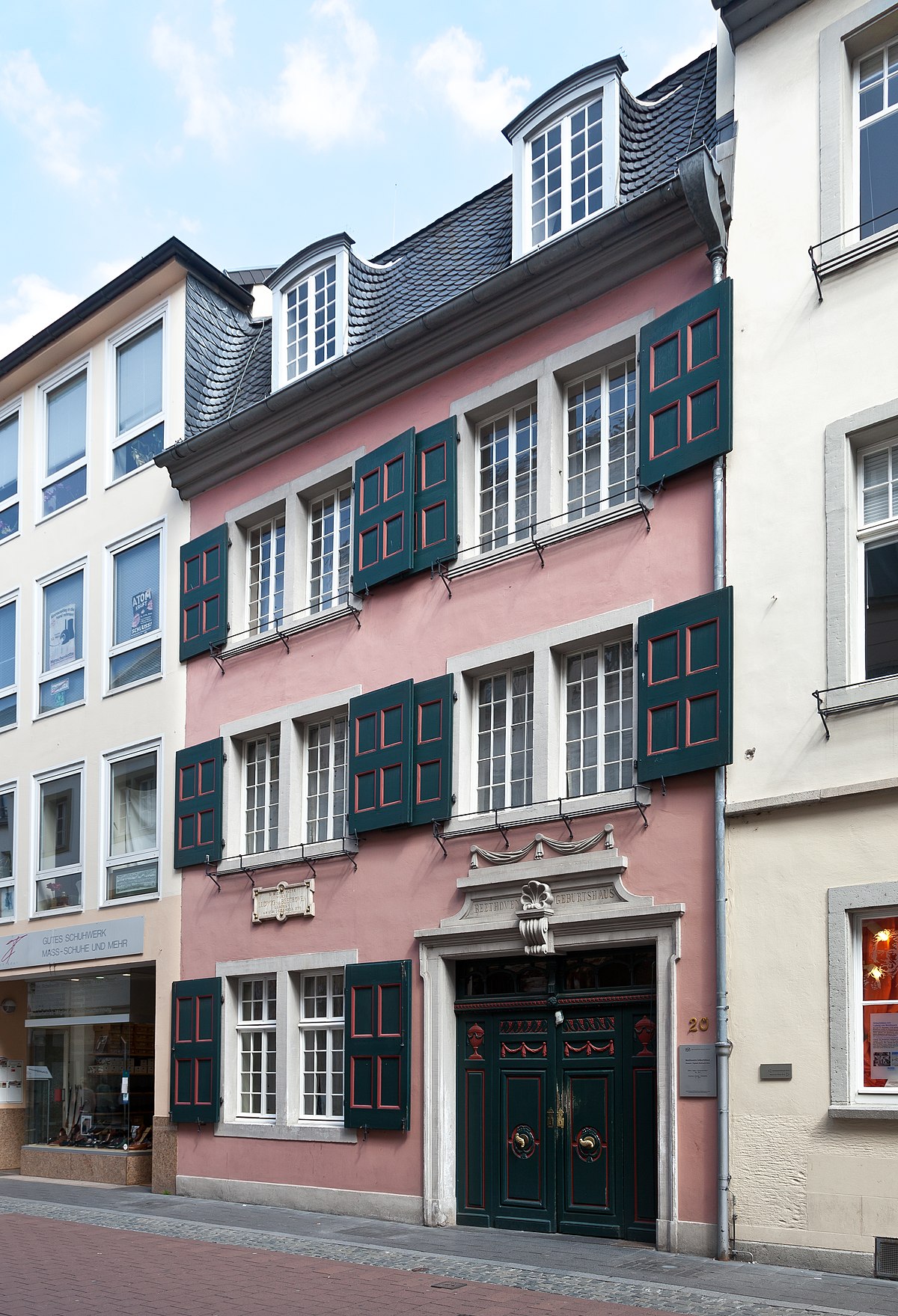
Beethoven House
📍 North Rhine-Westphalia, Germany
Beethoven House is a celebrated museum and the birthplace of Ludwig van Beethoven, one of the most influential composers in Western music history. …