Overview
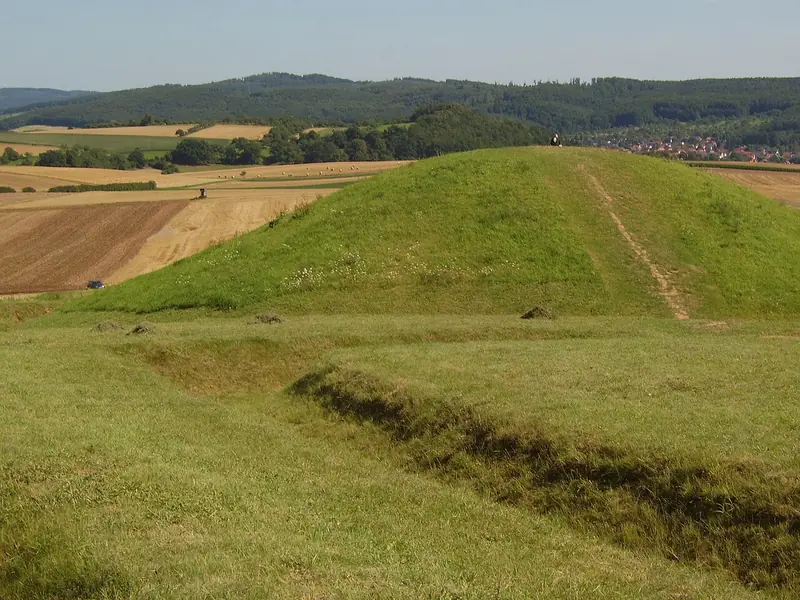
Glauberg, located in the heart of Hesse, Germany, is an archaeological site of significant historical importance, representing a Celtic oppidum that offers a glimpse into ancient settlement patterns and cultural practices. This mountain site, with its rich heritage, invites visitors to explore the remnants of a civilization that once thrived in this region. The topography of the area not only enhances its historical narrative but also provides an engaging backdrop for exploration, drawing both history enthusiasts and nature lovers alike.
The significance of Glauberg lies not only in its archaeological finds but also in its role as a center of Celtic culture. The site has been instrumental in shedding light on the social structures, trade networks, and spiritual beliefs of the Celts in this region of Germany. As visitors wander through the remnants of this ancient settlement, they can appreciate the strategic importance of the location and its enduring legacy.
Whether you are a history buff or merely seeking a unique outdoor experience, Glauberg offers a compelling combination of natural beauty and historical intrigue. The site encourages exploration, reflection, and a deeper understanding of the Celtic civilization that once inhabited this area.
History and Significance
The history of Glauberg is deeply intertwined with the Celtic culture that flourished in central Europe. As an oppidum, Glauberg served as a fortified settlement, reflecting the complexity of Celtic society. Archaeological excavations at this site have uncovered various artifacts, including burial mounds and ceremonial structures, which illuminate the social hierarchy and spiritual practices of the Celts.
One of the most notable findings at Glauberg is the impressive warrior statue, known as the “Glauberg Warrior.” This remarkable artifact, intricately carved, represents the martial culture of the Celts and highlights their artistic capabilities. The statue is thought to serve not only as a depiction of a warrior but also as a symbol of power and status within the community. The discovery of such artifacts has provided invaluable insight into the beliefs and customs of the Celtic inhabitants.
Glauberg’s significance extends beyond its archaeological treasures. The site exemplifies the strategic thinking of the Celts, who chose elevated locations for their settlements, offering both defensive advantages and extensive visibility over the surrounding landscape. This choice reflects a deep understanding of their environment, as well as an awareness of the importance of trade routes and territorial control.
The cultural importance of Glauberg is underscored by its connections to broader Celtic networks that extended across Europe. As a center of trade and cultural exchange, Glauberg played a pivotal role in the dissemination of ideas, goods, and technologies among various Celtic tribes. This interconnectedness is evident in the variety of artifacts found at the site, many of which show influences from distant regions.
Today, Glauberg is not only a site of archaeological interest but also a symbol of the rich heritage of the Celtic people. The ongoing research and preservation efforts at the site continue to enhance our understanding of this fascinating period in history.
Architecture and Features
The architecture of Glauberg reflects the characteristics typical of Celtic oppida, combining both functional and ceremonial elements. The remains of fortifications suggest a well-planned settlement designed for defense, indicative of the turbulent times during which the Celts lived. The layout of the site is strategic, utilizing the natural elevation of the mountain to create a formidable stronghold.
Among the notable architectural features is the presence of burial mounds, which served as both tombs and ceremonial sites. These mounds are significant not only for their size but also for the artifacts found within them, which include pottery, tools, and offerings that provide insights into the burial practices and beliefs of the Celtic people. The construction techniques employed in these mounds indicate a sophisticated understanding of engineering and an emphasis on memorializing the deceased.
Additionally, the remains of various structures within the oppidum suggest a vibrant community life, with areas likely designated for residential, agricultural, and communal activities. The layout of the settlement implies a clear organization, possibly reflecting social hierarchies and the division of labor among its inhabitants.
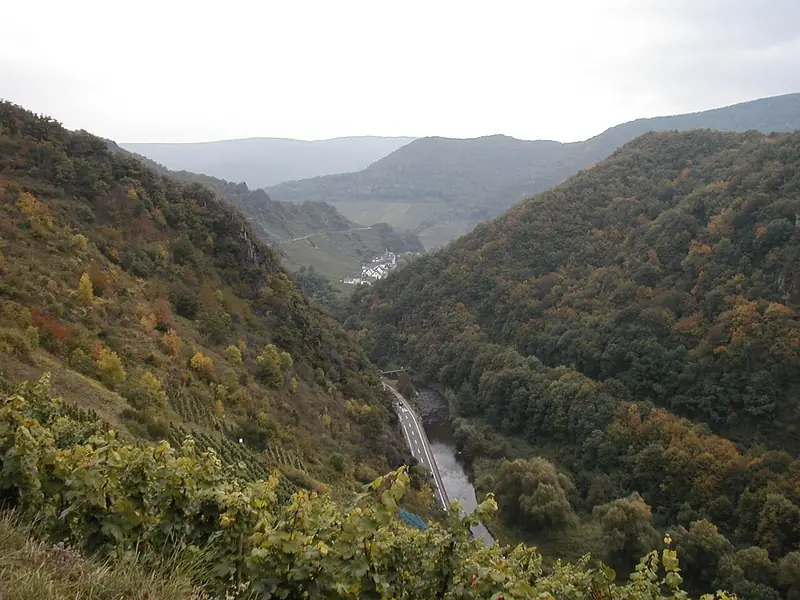
The landscape surrounding Glauberg adds another layer of significance to the site. The natural topography not only served as a defensive advantage but also played a role in the spiritual beliefs of the Celts. Many ancient cultures, including the Celts, often revered mountains and natural formations as sacred spaces, further intertwining their daily lives with the environment.
Visitors to Glauberg can witness these architectural remnants and appreciate the ingenuity of the Celts. The site serves as a remarkable example of how ancient societies adapted to their surroundings and utilized their environment for both survival and cultural expression.
Visiting Information
Visiting Glauberg offers an enriching experience for those interested in archaeology, history, and natural beauty. Access to the site is fairly straightforward, with various transport options available. While specific details about transportation may vary, it is advisable to check local resources or transport services for the best routes to Glauberg.
The site is open to the public, allowing visitors to explore the archaeological remains and enjoy the surrounding landscape. For current hours and pricing information, check the official website, as these details may change.
When planning your visit, consider allocating several hours to fully immerse yourself in the site. The exploration can take anywhere from a couple of hours to a half-day, depending on your interest in the exhibits and the surrounding area. Guided tours may also be available, providing deeper insights into the site’s significance and history.
The best times to visit Glauberg are during the spring and autumn months when the weather is mild, making it ideal for walking and exploring. Summer can be quite warm, while winter may present challenges due to snow or cold temperatures, so plan accordingly.
As you prepare for your visit, keep in mind that comfortable footwear is essential for navigating the terrain. The site may require some walking on uneven surfaces, so be ready for an adventure as you delve into the history of the Celts.
Nearby Attractions
While visiting Glauberg, consider exploring other nearby attractions to enhance your experience. Here are a few notable places to check out:
Hessenpark: Located a short drive away, Hessenpark is an open-air museum showcasing traditional Hessian architecture and rural life. Visitors can learn about regional history through various exhibits and demonstrations.
Rococo Palace of Biebrich: Just a bit further afield, this beautiful palace offers a glimpse into the opulent lifestyle of the nobility in the 18th century. The surrounding gardens are perfect for a leisurely stroll.
The Historic Old Town of Friedberg: This charming town features well-preserved medieval architecture and offers a variety of cafés and shops, making it a delightful stop for a meal or coffee.
The Roman City of Mainz: A little further away, Mainz is rich in Roman history and boasts several museums, including the Gutenberg Museum. It’s a great destination for those interested in the ancient world.
Taunus Nature Park: For nature lovers, Taunus Nature Park offers extensive hiking trails, stunning landscapes, and diverse flora and fauna, providing an excellent opportunity for outdoor activities.
Insider Tips
To make the most of your visit to Glauberg, consider these insider tips. For photography enthusiasts, early morning or late afternoon light can enhance your photos, creating a warm glow over the ancient structures. The site can attract visitors, particularly during weekends, so aim for a weekday visit if you prefer a quieter experience.
If you’re interested in guided tours, check in advance to see if they are available on the day of your visit. Joining a tour can provide additional context and enrich your understanding of the site’s significance.
Practical Information
When planning your visit to Glauberg, consider bringing essentials such as water, snacks, and sunscreen, especially during warmer months. Comfortable walking shoes are a must, as the terrain can be uneven and requires some exploration.
Seasonal considerations are important, too. Spring and autumn offer pleasant weather, while summer can bring heat. If visiting in winter, be prepared for cold temperatures and potential snow, which could impact accessibility.
Check the official website for any specific guidelines or recommendations before your visit, as conditions and regulations may vary.
Frequently Asked Questions
How long should I spend visiting?
Visitors typically spend a few hours exploring Glauberg, but if you are interested in a detailed exploration, plan for a half-day visit.
Is photography allowed?
Yes, photography is generally permitted at Glauberg, but be respectful of any specific guidelines posted at the site.
Are there guided tours?
Guided tours may be available; check the official website for scheduling and availability.
What’s the best time to visit?
The best times to visit are during the spring and autumn when the weather is mild and conducive to outdoor exploration.
Is it wheelchair accessible?
Accessibility options may vary, so it is advisable to check the official website for specific information regarding facilities and pathways.
Can I buy tickets online?
Check the official website for current ticketing options, as online purchasing may be available.
Are there restrooms and cafes?
Restroom facilities may be available on-site, but specific details can be confirmed on the official website. Consider bringing snacks and drinks for your visit.
What should I wear?
Dress comfortably for walking, and consider the weather conditions. Layers are advisable, especially in cooler months.