Overview
The Gigafactory Berlin-Brandenburg represents a significant leap into the future of sustainable manufacturing. Located in Grünheide, Germany, this factory is a key player in Tesla’s mission to accelerate the world’s transition to sustainable energy. As one of the largest factories of its kind in Europe, the Gigafactory is not just a manufacturing facility; it embodies a revolutionary approach to industrial production, aiming to reduce waste and environmental impact while enhancing efficiency. Visitors to this site will discover a modern marvel that showcases innovative technologies and practices designed to support the burgeoning electric vehicle market.
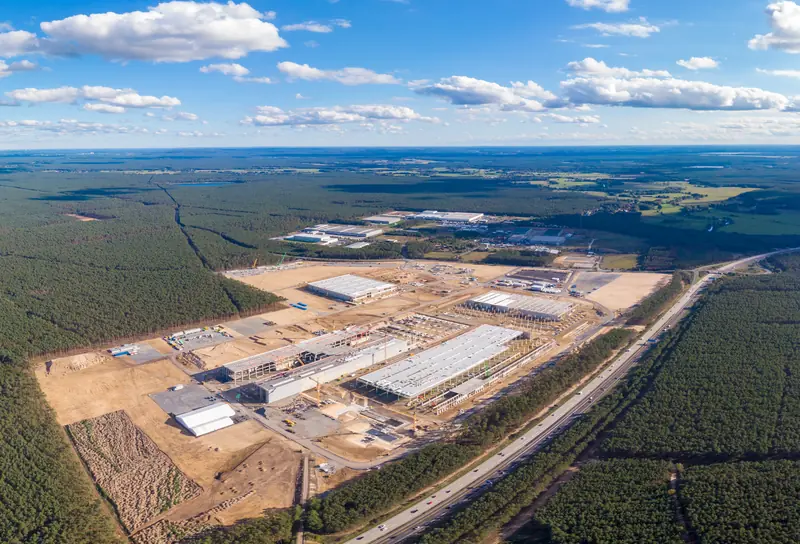
Situated just outside Berlin, the Gigafactory is poised to reshape the automotive landscape, making it a significant point of interest for those curious about the intersection of industry and sustainability. The factory’s expansive layout and state-of-the-art systems reflect a commitment to both operational excellence and ecological responsibility. While the Gigafactory is primarily a functional facility, it also stands as a symbol of the rapid advancement in green technologies, making it a fascinating stop for those interested in industrial heritage and future innovations.
History and Significance
The establishment of the Gigafactory Berlin-Brandenburg marks a pivotal moment in the evolution of the automotive industry in Germany. Tesla’s decision to build its first European Gigafactory in this region was influenced by several factors, including its strategic location near Berlin, a city known for its vibrant culture and technological innovation. This factory not only enhances Tesla’s production capabilities but also creates thousands of jobs, thereby contributing to the local economy and fostering a community around sustainable practices.
The factory’s significance extends beyond economic impact; it represents a cultural shift towards electric mobility and renewable energy sources. As traditional automotive powerhouses adapt to changing consumer demands and environmental regulations, the Gigafactory stands at the forefront of this transformation. It serves as a catalyst for change, encouraging other manufacturers to explore sustainable practices and invest in electric vehicle technology.
In a broader context, the Gigafactory aligns with global efforts to combat climate change. By producing lithium-ion batteries and electric vehicles at scale, Tesla aims to reduce carbon emissions and promote cleaner transportation options. This commitment to sustainability resonates with a growing segment of consumers who prioritize environmental responsibility in their purchasing decisions.
Architecture and Features
The architectural design of the Gigafactory Berlin-Brandenburg reflects its function as a cutting-edge manufacturing facility. The expansive building is characterized by its modern aesthetics, featuring large glass facades that allow natural light to flood the interior spaces. This design choice not only enhances the working environment but also symbolizes transparency in operations—a key component of Tesla’s corporate philosophy.
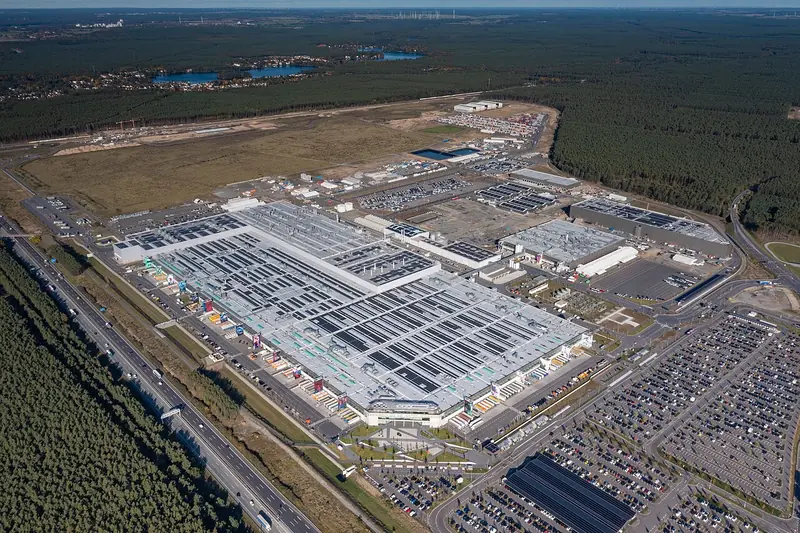
The factory’s layout is optimized for efficiency, with streamlined production lines and advanced automation technologies that facilitate high-volume output. Key features include state-of-the-art battery production areas, assembly lines for electric vehicles, and extensive storage facilities for raw materials and finished products. The use of renewable energy sources, such as solar panels, is another critical aspect of the factory’s design, underscoring Tesla’s commitment to sustainability.
In addition to its functional spaces, the Gigafactory also incorporates green areas around the facility. These spaces are designed to enhance the connection between the factory and the natural environment, promoting biodiversity and providing a pleasant atmosphere for employees and visitors alike.
Visiting Information
For those interested in visiting the Gigafactory Berlin-Brandenburg, it is essential to plan ahead. Transportation options to the factory are varied, with access available via public transport and personal vehicles. Visitors can expect to find ample parking facilities, making it convenient for those driving to the site.
While specific visiting hours and ticket prices are subject to change, it is advisable to check the official website for current information before planning your trip. The factory is designed to accommodate visitors, and tours may provide insights into the manufacturing process and Tesla’s sustainability initiatives. Depending on your interests, you might spend anywhere from a couple of hours to a half-day exploring the factory and its operations.
The best times to visit are typically during weekdays when tours may be more readily available. Weekends can attract larger crowds, so planning your visit during off-peak times can enhance your experience.
Nearby Attractions
While visiting the Gigafactory Berlin-Brandenburg, there are several nearby attractions worth exploring:
Berlin: Just a short drive away, the capital city offers a wealth of historical sites, museums, and cultural experiences. Highlights include the Brandenburg Gate, the Berlin Wall, and the Museum Island, which houses several world-renowned museums.
Seddiner See: This picturesque lake is located nearby and is a great spot for nature lovers. Visitors can enjoy various outdoor activities, including hiking, swimming, and picnicking along its shores.
Erkner: A charming town close to the factory, Erkner is known for its beautiful parks and recreational areas. It’s an excellent place to relax after your visit to the factory.
Potsdam: Famous for its stunning palaces and gardens, Potsdam is a UNESCO World Heritage site and a must-visit for those interested in history and architecture.
Spreewald: A bit further afield, this biosphere reserve is renowned for its unique waterways and lush landscapes, offering opportunities for canoeing and cycling.
Insider Tips
For optimal photography opportunities at the Gigafactory, consider visiting during the golden hours of sunrise or sunset when the natural light enhances the factory’s modern architecture. If you wish to avoid crowds, aim for mid-mornings or early afternoons on weekdays, as weekends tend to be busier with visitors.
Be respectful of any photography restrictions that may be in place, as certain areas may not allow cameras or recording devices.
Practical Information
When planning your visit to the Gigafactory, it’s advisable to bring along essentials such as water, snacks, and comfortable walking shoes, as you may spend a substantial amount of time exploring the facility. Seasonal considerations also apply; if visiting during colder months, dress in layers to stay warm, as factory conditions can vary.
Additionally, be sure to check the weather forecast, as it could impact your travel plans and overall experience.
Frequently Asked Questions
How long should I spend visiting?
A visit to the Gigafactory typically takes around two to four hours, depending on whether you participate in a guided tour.
Is photography allowed?
Photography policies may vary, so it’s best to check with the official guidelines upon arrival.
Are there guided tours?
Yes, guided tours are often available, providing visitors with insights into the factory’s operations and sustainability initiatives.
What’s the best time to visit?
Weekdays, particularly mid-mornings, are generally less crowded, making them ideal for a visit.
Is it wheelchair accessible?
The Gigafactory is designed to be accessible, but it’s advisable to check the official website for specific accessibility options.
Can I buy tickets online?
For the most accurate information regarding ticket purchases, check the official website.
Are there restrooms and cafes?
Facilities such as restrooms are typically available; however, details on cafes may vary, so consult the official website for current services.
What should I wear?
Dress comfortably and in layers, especially if you plan to explore the factory’s different areas.
In summary, the Gigafactory Berlin-Brandenburg stands as an important site for those interested in industrial heritage and sustainable practices. Its combination of innovative design, cultural significance, and commitment to sustainability makes it a noteworthy destination for visitors.
Photo Gallery