
GFZ Helmholtz Centre for Geosciences
Overview
The GFZ Helmholtz Centre for Geosciences in Potsdam, Germany, serves as a pivotal research institution dedicated to the study of Earth sciences. With its focus on understanding the Earth’s system, including its geological processes, climate dynamics, and environmental changes, the center plays a crucial role in advancing scientific knowledge that impacts both local and global communities. Located in the vibrant city of Potsdam, which is known for its rich historical background and proximity to Berlin, the GFZ offers insights into the complexities of our planet, making it an important site for researchers, students, and anyone interested in the scientific investigation of Earth.
The center is part of the Helmholtz Association of German Research Centres, which is committed to addressing major societal challenges through interdisciplinary research. The GFZ is particularly significant as it combines various scientific disciplines to tackle pressing issues such as climate change and natural disasters, thereby contributing to sustainable development and environmental protection. While the scientific research conducted here is deeply technical, the implications of this work resonate far beyond academia, influencing policy decisions and fostering public understanding of Earth sciences.
Visitors to the GFZ can expect to engage with a host of informative resources that illuminate the research being conducted and its relevance to contemporary issues facing our planet. The center’s commitment to education and outreach enhances its role as a hub for geoscientific inquiry.
History and Significance
The GFZ Helmholtz Centre for Geosciences has established itself as a cornerstone of Earth science research. The foundation of the center is rooted in a collective effort to understand the Earth’s processes, encompassing its physical, chemical, and biological systems. The institution has evolved significantly over the years, reflecting advancements in geoscientific methodologies and the growing importance of interdisciplinary approaches to scientific inquiry.
As a part of the Helmholtz Association, the GFZ underscores the collaborative nature of modern scientific research. It integrates contributions from various fields, including geology, meteorology, and environmental sciences, fostering a holistic understanding of the Earth. This collaborative ethos not only enhances the scope of research but also facilitates the dissemination of knowledge to broader audiences, including policymakers and the general public.
The significance of the GFZ extends beyond its immediate research outputs. It serves as a vital resource for training the next generation of geoscientists, offering educational programs and partnerships with universities. By bridging the gap between academia and real-world application, the center plays a crucial role in addressing global challenges such as climate change, natural hazards, and resource management.
Moreover, the GFZ contributes to international research initiatives, collaborating with institutions worldwide. This global perspective enriches its research agenda and helps align its efforts with international standards and objectives, such as the Sustainable Development Goals set by the United Nations. The center’s work is instrumental in providing data and analysis that inform both scientific understanding and policy-making, thereby enhancing its cultural and civic importance.
Architecture and Features
The architecture of the GFZ Helmholtz Centre for Geosciences reflects a modern approach to scientific research environments, prioritizing functionality while fostering collaboration among researchers. The layout of the center is designed to facilitate interaction and communication, embodying the interdisciplinary nature of its work. The building incorporates contemporary design elements that promote sustainability and efficiency, aligning with the center’s commitment to environmental stewardship.
Inside, visitors will find state-of-the-art laboratories equipped with advanced technology that supports various research initiatives. These facilities are complemented by spaces for meetings, workshops, and educational outreach, allowing for a dynamic exchange of ideas and knowledge. The center’s design emphasizes transparency and openness, with many areas featuring large windows that invite natural light and create an inviting atmosphere.
Notable features of the GFZ include its extensive libraries and archives, which house a wealth of publications and research materials related to Earth sciences. These resources are invaluable for both researchers and visitors seeking to deepen their understanding of the field. The center also hosts exhibitions and events that showcase ongoing research projects and their implications, further engaging the public with the scientific process.
In addition to its functional spaces, the GFZ is surrounded by landscaped areas that offer a pleasant environment for reflection and casual gatherings. The combination of well-thought-out architecture and collaborative spaces makes the GFZ a vibrant center for scientific inquiry and community engagement.
Visiting Information
For those interested in visiting the GFZ Helmholtz Centre for Geosciences, the experience promises to be both educational and inspiring. The center is located in Potsdam, easily accessible by public transport from Berlin and other surrounding areas. Various modes of transport serve the region, including trains and buses, making it convenient for visitors to reach the site.
While specific visiting hours and ticket prices may vary, it is advisable to check the official website for current information before planning your visit. The GFZ often hosts events, public lectures, and exhibitions that may require advance registration or tickets. Visitors can expect to spend a significant amount of time exploring the various resources and exhibits available, so planning for a few hours is recommended.
The best times to visit may coincide with special events or exhibitions, which are often highlighted on the center’s website. Engaging with these offerings can enhance your understanding of ongoing research and the broader implications of geoscientific studies.
Upon arrival, expect a welcoming atmosphere where staff are likely to assist with inquiries and provide information about the center’s research activities. Educational materials and guided tours may also be available, offering deeper insights into the work conducted at the GFZ.
Nearby Attractions
The GFZ Helmholtz Centre for Geosciences is situated in a historically rich area, making it an ideal starting point for exploring several nearby attractions:
Sanssouci Palace: Just a short distance away, this former summer palace of Frederick the Great is a UNESCO World Heritage Site, famed for its stunning gardens and Rococo architecture.
Potsdam’s Dutch Quarter: This unique neighborhood features charming red-brick buildings and picturesque streets, offering a delightful experience of Potsdam’s cultural heritage.
Filmpark Babelsberg: A must-visit for cinema enthusiasts, this film studio offers behind-the-scenes tours and live shows, showcasing the history of German film production.
New Garden: Another beautiful park in Potsdam, the New Garden features the majestic Marble Palace and serene lakes, perfect for a leisurely stroll or picnic.
Biosphere Potsdam: An indoor tropical garden and environmental education center, providing insights into biodiversity and sustainability practices.
Insider Tips
To enhance your visit to the GFZ Helmholtz Centre for Geosciences, consider the following tips:
Photography: While photography is generally allowed in most public areas, be mindful of specific research spaces or exhibits where it may be restricted. Always check signage or ask staff for clarification.
Crowd Avoidance: To experience a more tranquil visit, try to schedule your trip during weekdays or outside of peak hours. Special events may attract larger crowds, so planning ahead can help you avoid busy times.
Practical Information
When preparing for your visit to the GFZ Helmholtz Centre for Geosciences, consider bringing the following:
Comfortable Footwear: With various areas to explore, comfortable shoes are recommended for walking around the center and its surroundings.
Notebook or Journal: If you’re eager to take notes or record your thoughts, consider bringing something to write on, as the center offers many insights that may inspire further inquiry.
Seasonal Considerations: Depending on the time of year, dress appropriately for the weather. Potsdam experiences a temperate climate, so layering is advisable, especially if you plan to enjoy the outdoor spaces.
Frequently Asked Questions
How long should I spend visiting?
A visit to the GFZ can typically last between two to four hours, depending on your level of interest in the exhibits and resources available.
Is photography allowed?
Photography is generally permitted in public areas, but it’s best to check for any specific restrictions in research spaces or exhibits.
Are there guided tours?
The GFZ may offer guided tours or educational programs; check the official website for details and scheduling.
What’s the best time to visit?
Weekdays tend to be quieter, and special events or exhibitions can provide unique opportunities, so consider planning your visit around these offerings.
Is it wheelchair accessible?
The GFZ aims to be accessible; however, it’s advisable to check directly with the center for specific details on accessibility features.
Can I buy tickets online?
For certain events or exhibitions, online registration may be available. Check the official website for current ticketing options.
Are there restrooms and cafes?
Restroom facilities are available on-site, but check the official website for details about cafe services or nearby dining options.
What should I wear?
Dress comfortably and in layers, keeping in mind the seasonal weather in Potsdam. Comfortable shoes are recommended for walking around.
Visiting the GFZ Helmholtz Centre for Geosciences offers a unique opportunity to engage with impactful research and understand the complexities of our planet. As you explore the center, you will not only gain insights into Earth sciences but also appreciate the importance of this vital institution in addressing global challenges.
More in Brandenburg
Agnetenkloster
📍 Brandenburg, Germany
Agnetenkloster, a former monastery located in the heart of Magdeburg, Germany, invites visitors to explore its serene ambiance and historical …

Agroneum
📍 Brandenburg, Germany
Agroneum is a museum located in the serene landscape of Alt Schwerin, Germany. This establishment serves as a vibrant hub for those interested in the …

Alexander Nevsky Memorial Church
📍 Brandenburg, Germany
The Alexander Nevsky Memorial Church in Potsdam, Germany, offers visitors a unique glimpse into the city’s cultural and religious heritage. This …
Alexandrowka
📍 Brandenburg, Germany
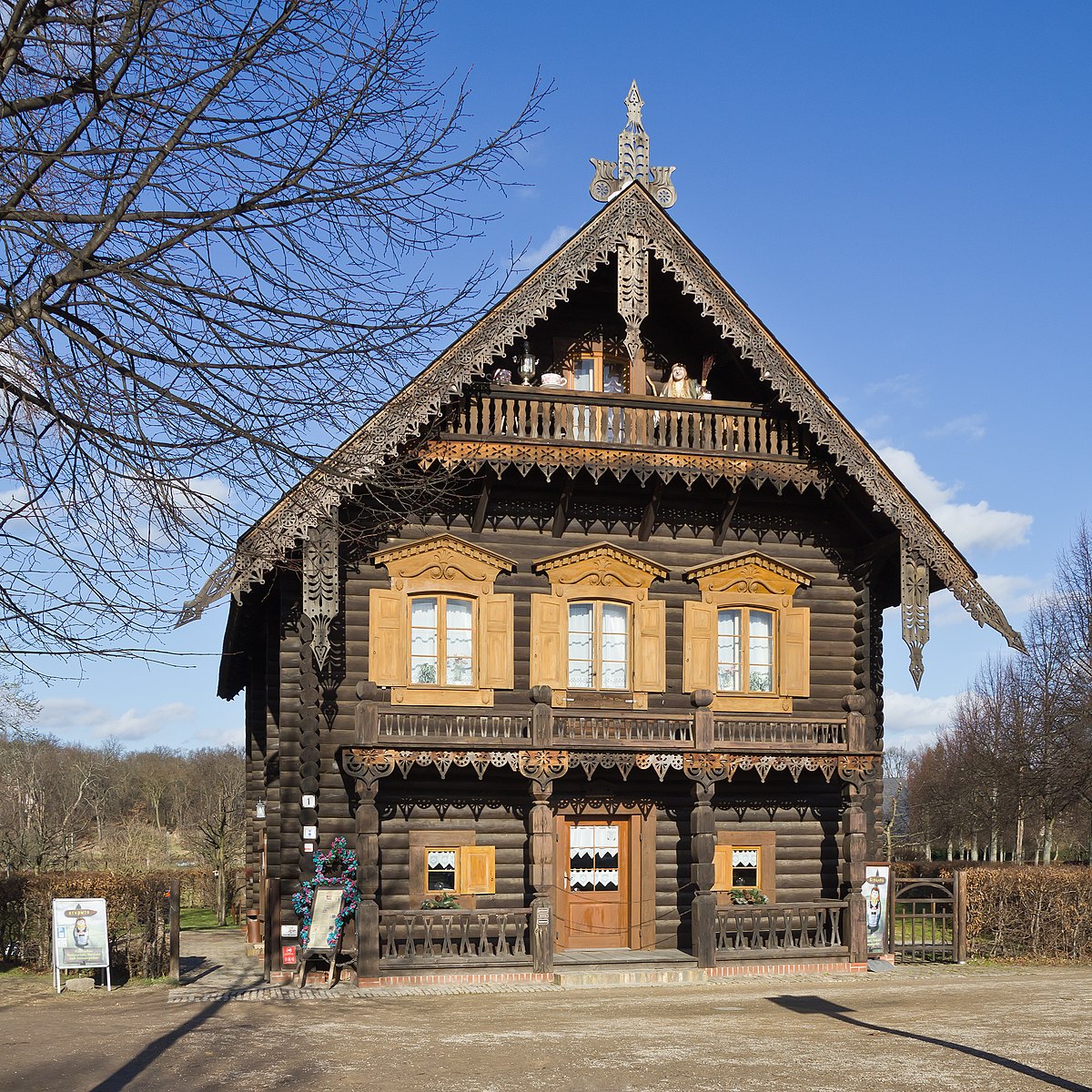
Located in the picturesque city of Potsdam, Germany, Alexandrowka is an intriguing architectural ensemble that reflects a unique blend of Russian and …

Alte Burg Penzlin
📍 Brandenburg, Germany
Alte Burg Penzlin, a captivating castle located in the quaint town of Penzlin, Germany, serves as a remarkable example of medieval architecture and …

Alte Dorfkirche Röxe
📍 Brandenburg, Germany
The Alte Dorfkirche Röxe stands as a poignant symbol of architectural and cultural history in the Stendal region of Germany. This church building, …
More Foundations

Academy of the Konrad-Adenauer-Stiftung
📍 Berlin, Germany
The Academy of the Konrad-Adenauer-Stiftung, located in the heart of Berlin, is not just a foundation but a hub of intellectual discourse and …

Akademie Schloss Solitude
📍 Baden-Württemberg, Germany
Akademie Schloss Solitude is a distinguished foundation located in Stuttgart, Germany, that serves as a cultural and artistic haven for individuals …
Alerds-Stiftung
📍 Lower Saxony, Germany
Alerds-Stiftung, located in the historic city of Brunswick, Germany, represents a significant cultural and philanthropic institution dedicated to …

Alfred Wegener Institute for Polar and Marine Research
📍 Bremen, Germany
The Alfred Wegener Institute for Polar and Marine Research, located in Bremerhaven, Germany, stands as a cornerstone of scientific inquiry into the …

Bavarian Elite-Academy
📍 Bavaria, Germany
The Bavarian Elite-Academy, located in the vibrant city of Munich, Germany, is a foundation dedicated to fostering excellence in various fields of …
Beethoven House
📍 North Rhine-Westphalia, Germany
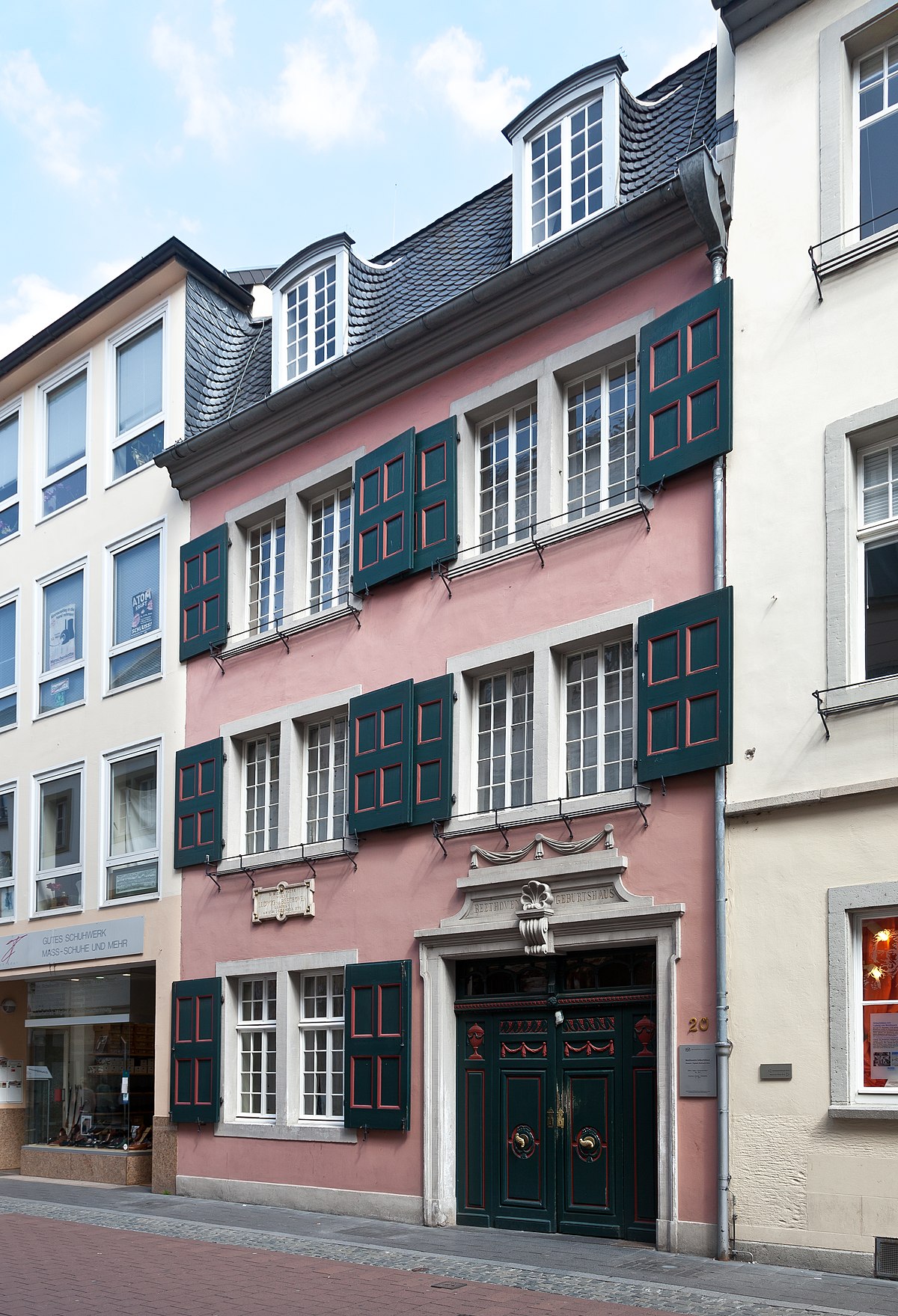
Beethoven House is a celebrated museum and the birthplace of Ludwig van Beethoven, one of the most influential composers in Western music history. …