Overview
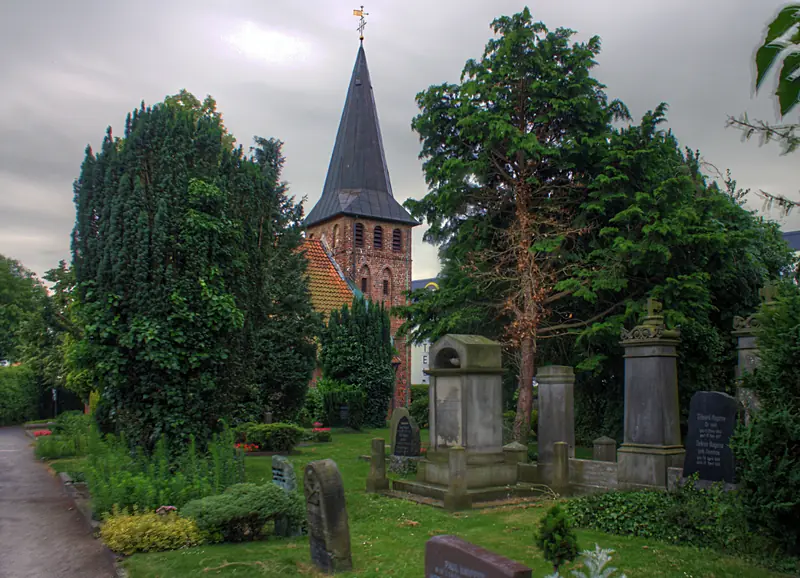
Gertrudenfriedhof, a historic cemetery located in the heart of Oldenburg, Lower Saxony, serves as a poignant reminder of the city’s past and a serene space for reflection. Established in the 18th century, this cemetery is not merely a resting place for the deceased but also a significant cultural and historical site that offers insight into the local heritage. Visitors can explore its beautifully landscaped grounds and appreciate the artistry of its gravestones and memorials, which reflect various architectural styles and personal stories from generations gone by.
This cemetery is more than just a burial site; it represents the social and cultural evolution of Oldenburg. It stands as a testament to the city’s commitment to honoring its past while providing a peaceful environment for the living to reflect on life and loss. With its tranquil pathways and historical significance, Gertrudenfriedhof invites visitors to wander through history, offering a contemplative escape amid the urban landscape.
History and Significance
Gertrudenfriedhof holds a pivotal place in the history of Oldenburg. Established in an era when cemeteries were often removed from urban centers and designed to be places of beauty and contemplation, Gertrudenfriedhof reflects the changing attitudes toward death and remembrance during its early years. The cemetery has become a final resting place for many notable figures from Oldenburg’s past, including influential local politicians, artists, and community leaders, each contributing to the fabric of the city’s history.
The cemetery is particularly significant for its role in the cultural life of Oldenburg. It serves not only as a memorial for the deceased but also as a space for the living to engage with their heritage. The careful design of the cemetery, with its tree-lined paths, artistic gravestones, and memorials, creates an atmosphere conducive to reflection and remembrance. The cemetery is a place where the stories of those buried can be discovered, offering insights into the lives and times of the individuals who shaped the city.
Over the years, Gertrudenfriedhof has been the subject of various preservation efforts aimed at maintaining its historical integrity. These initiatives highlight the importance of the cemetery as a cultural landmark and a place of education. As such, the cemetery has become a focal point for local history enthusiasts and visitors interested in the rich narrative of Oldenburg.
Architecture and Features
The architectural elements of Gertrudenfriedhof are a significant aspect of its charm and historical value. Visitors will find a diverse collection of gravestones and memorials that showcase various artistic styles, reflecting the aesthetic preferences of different periods. Some gravestones are adorned with intricate carvings, while others feature simple yet elegant designs that speak to the personal stories of those interred.
Among the notable features of Gertrudenfriedhof is its beautifully landscaped grounds. The cemetery is characterized by tree-lined pathways that encourage leisurely strolls, allowing visitors to appreciate the natural beauty interwoven with the solemnity of the site. The arrangement of graves, memorials, and green spaces creates a harmonious environment that invites contemplation.
Additionally, the cemetery serves as a backdrop for several memorials that commemorate significant events and individuals in Oldenburg’s history. These features not only enhance the aesthetic appeal of the cemetery but also provide context for the lives and legacies of those remembered here. As visitors explore Gertrudenfriedhof, they will encounter a blend of nature and history that enriches their experience.
Visiting Information
Gertrudenfriedhof is readily accessible to visitors, whether they arrive by public transportation or personal vehicle. The cemetery is located in Oldenburg, allowing for easy navigation within the city. Visitors are encouraged to check the official website for current information regarding opening hours and any potential admission fees.
Upon arrival, guests can expect a peaceful atmosphere, conducive to reflection and exploration. The cemetery is designed to accommodate leisurely walks, making it possible to take in the sights at a comfortable pace. A visit typically requires about an hour, depending on individual interests and the desire to read the inscriptions on the gravestones.
The best times to visit Gertrudenfriedhof are during the spring and fall when the weather is mild, and the natural surroundings are particularly inviting. This is also when the cemetery’s landscaping is at its most vibrant, enhancing the overall experience for visitors.
Nearby Attractions
For those exploring Oldenburg, several attractions are conveniently located near Gertrudenfriedhof:
Oldenburg Castle - A historic landmark that offers insight into the region’s royal history and architecture. The castle grounds are also beautiful for a stroll.
State Museum for Art and Cultural History - This museum houses a diverse collection of art and artifacts that tell the story of Oldenburg and its cultural heritage.
Botanischer Garten Oldenburg - A lovely botanical garden that showcases a variety of plant species and provides a serene environment for walking and relaxation.
Eversten Holz - A nearby park that features wooded areas and trails, perfect for outdoor activities and enjoying nature’s beauty.
St. Lamberti Church - A historical church known for its striking architecture and significant role in the community, offering another layer of historical exploration.
Insider Tips
When visiting Gertrudenfriedhof, consider bringing a good camera to capture the unique gravestone designs and serene landscapes. The changing light throughout the day can provide excellent opportunities for photography, particularly during the golden hour just before sunset.
To avoid crowds, plan your visit during weekdays or early in the morning when the cemetery is less busy. This will allow for a more peaceful experience, enabling you to reflect and explore without interruptions.
Practical Information
Visitors to Gertrudenfriedhof should bring comfortable walking shoes, as the cemetery’s paths can vary in terrain. It’s also wise to dress in layers, as the weather can change throughout the day. Depending on the season, some areas of the cemetery may be shaded by trees, while others may be exposed to the sun.
During your visit, consider carrying a small water bottle, especially in warmer months, to stay hydrated. For those interested in a more in-depth exploration, a notebook can be useful for jotting down thoughts or reflections inspired by the visit.
Frequently Asked Questions
How long should I spend visiting?
A typical visit to Gertrudenfriedhof lasts about an hour, but you may want to allocate more time if you wish to explore in-depth.
Is photography allowed?
Yes, photography is generally allowed in the cemetery, but be respectful of the space and other visitors.
Are there guided tours?
Check the official website for information on any available guided tours or special events that may enhance your visit.
What’s the best time to visit?
The best times to visit are during the spring and fall when the weather is mild and the landscape is particularly beautiful.
Is it wheelchair accessible?
While many areas of the cemetery are accessible, it’s best to check the official website for specific accessibility details.
Can I buy tickets online?
Check the official website for current information regarding ticket purchases and any associated fees.
Are there restrooms and cafes?
Restroom facilities may not be available on-site. It’s advisable to plan accordingly before your visit.
What should I wear?
Dress comfortably and in layers to adapt to changing weather conditions. Comfortable walking shoes are recommended for exploring the grounds.
By visiting Gertrudenfriedhof, you not only encounter a historic cemetery but also engage with the stories and memories that shape Oldenburg’s cultural landscape. Whether you are a history enthusiast, a nature lover, or someone seeking a moment of reflection, this cemetery offers a unique and meaningful experience.



