
German Ivory Museum Erbach
Overview
The German Ivory Museum Erbach stands as a dedicated institution to the artistry and craftsmanship of ivory carving, showcasing an extensive collection that highlights the significance of this material in European art. Located in the charming town of Erbach, Germany, the museum provides an insightful glimpse into the historical context of ivory and its use in decorative and functional art pieces. With its unique focus, the museum attracts art enthusiasts and history buffs alike, eager to explore the delicate intricacies and cultural narratives encapsulated in each exhibit.
Situated in the heart of the Odenwald region, Erbach offers a picturesque backdrop that complements the museum’s mission. The museum plays a vital role in preserving the heritage of ivory art, offering a space where visitors can appreciate the skill and creativity of artisans from various periods. As you step inside, you are invited to unravel the stories behind the exhibits, which range from exquisite sculptures to intricately carved objects that reflect both artistic brilliance and historical significance.
Visitors to the German Ivory Museum Erbach can expect an engaging experience that transcends mere observation. The collection not only serves to inform about the artistry involved but also raises awareness about the ethical considerations surrounding ivory use today. The museum thus stands at the intersection of art appreciation and cultural education, making it a compelling destination for those interested in the nuanced history of materials and their impact on society.
History and Significance
The German Ivory Museum Erbach is not just a repository of art; it embodies a significant cultural narrative centered around the use of ivory in Europe. The history of ivory carving dates back several centuries, with artisans honing their skills to create intricate designs that were highly sought after by the elite. The museum’s collection showcases a variety of ivory artifacts that illustrate the evolution of these techniques and the changing tastes of society.
Erbach has long been associated with ivory craftsmanship, dating back to the 18th century when the town emerged as a center for artists specializing in this medium. The museum is dedicated to preserving and presenting this rich legacy, reflecting the artistic traditions that flourished in the region. The collection includes works from different periods, highlighting not only the technical prowess of the carvers but also the aesthetic preferences of the time.
In addition to its artistic focus, the museum plays an essential role in raising awareness about the ethical implications of ivory use, particularly in the context of wildlife conservation. As global attitudes toward ivory have shifted, the museum strives to educate visitors about the importance of protecting endangered species. By juxtaposing historical artifacts with contemporary discussions, the German Ivory Museum Erbach serves as a platform for dialogue about art, ethics, and sustainability.
Architecture and Features
The architecture of the German Ivory Museum Erbach is reflective of the town’s historical character, blending seamlessly with the surrounding environment. The building itself is a testament to the craftsmanship that the museum represents, featuring design elements that echo traditional styles. Visitors will find that the museum’s layout is both functional and inviting, allowing for a smooth flow from one exhibit to another.
Inside, the museum is organized in a manner that enhances the viewing experience. The exhibits are thoughtfully displayed, showcasing the exquisite details of each piece while providing ample information for context. Notable features include carefully curated thematic sections that group artifacts by style or period, allowing visitors to appreciate the evolution of ivory art in a coherent narrative.
The lighting within the museum is designed to highlight the delicate intricacies of the ivory pieces, ensuring that visitors can fully appreciate the craftsmanship involved. Each artifact is presented with care, contributing to an atmosphere that encourages reflection and admiration. The museum thus not only serves as a gallery for ivory art but also as a space for contemplation on the cultural narratives intertwined with these objects.
Visiting Information
When planning a visit to the German Ivory Museum Erbach, it is advisable to check the official website for current information regarding hours of operation and ticket prices. The museum is conveniently accessible by various modes of transport, making it an easy destination for both local and international travelers.
Upon arrival, visitors can expect a friendly and informative atmosphere. The museum is designed to accommodate a range of interests, whether you are an art aficionado or simply curious about the history of ivory. It is recommended to allocate sufficient time to fully explore the exhibits, as the intricate details of each piece can captivate and invite deeper contemplation.
The best times to visit can vary, but weekdays often see fewer crowds than weekends, allowing for a more intimate experience. Special exhibitions may also draw larger audiences, so checking the museum’s schedule in advance could enhance your visit.
Nearby Attractions
While the German Ivory Museum Erbach is a highlight in itself, the surrounding area offers additional attractions that enrich the cultural experience of your visit.
Erbach Castle: Just a short walk from the museum, this historical site offers insight into the region’s aristocratic past and features beautiful grounds for a leisurely stroll.
Odenwald Forest: A natural retreat for outdoor enthusiasts, this forested area provides numerous hiking trails and opportunities to experience the local flora and fauna.
Museum of Local History: Located nearby, this museum delves into the history and culture of Erbach and its surroundings, complementing the artistic focus of the Ivory Museum.
Hessian State Museum: A bit further afield, this larger institution features a diverse collection of art and artifacts from the region, providing a broader cultural context.
The Town Square: The heart of Erbach, where visitors can enjoy local shops and cafes, making it a pleasant stop after exploring the museum.
Insider Tips
For those planning to visit the German Ivory Museum Erbach, consider bringing a camera to capture the stunning details of the ivory pieces. However, be sure to check the museum’s photography policy to ensure compliance.
To avoid crowds, it is advisable to visit during the early hours of operation or on weekdays. This can result in a more personal experience as you navigate the exhibits at your own pace. Engaging with the museum staff can also enrich your visit, as they often have valuable insights and can provide context to the pieces on display.
Practical Information
When visiting the German Ivory Museum Erbach, it is recommended to bring a few essentials. Comfortable walking shoes will enhance your exploration of the museum and nearby attractions. An umbrella or rain jacket could also be useful, depending on the season, as weather conditions can vary.
Seasonal considerations may also play a role in your visit; spring and autumn often present milder weather and fewer tourists, making for a more enjoyable experience.
Frequently Asked Questions
How long should I spend visiting?
Visitors typically spend 1-2 hours exploring the exhibits, depending on their level of interest.
Is photography allowed?
Photography policies may vary; check the museum’s guidelines for specific rules regarding cameras and flash photography.
Are there guided tours?
The museum may offer guided tours; check the official website for availability and scheduling.
What’s the best time to visit?
Weekdays often see fewer crowds, and early morning visits can provide a more relaxed experience.
Is it wheelchair accessible?
The museum aims to be accessible; however, checking the official website for specific accessibility features is recommended.
Can I buy tickets online?
Check the official website for options regarding online ticket purchases and any available discounts.
Are there restrooms and cafes?
Facilities are typically available within the museum; check the official website for more details.
What should I wear?
Comfortable clothing and shoes are recommended, as you may be walking or standing for extended periods while exploring the museum and surrounding areas.
More in Baden-Württemberg

Aachtobel
📍 Baden-Württemberg, Germany
Aachtobel, located in the picturesque region of Baden-Württemberg, Germany, serves as a vital natural reserve, offering a serene escape into the …

Aalen Central station
📍 Baden-Württemberg, Germany
Aalen Central Station serves as a vital railway hub in southern Germany’s Baden-Württemberg region, connecting travelers to local and regional …

Aalkistensee
📍 Baden-Württemberg, Germany
Aalkistensee, located in the serene region of Maulbronn in Baden-Württemberg, Germany, is a tranquil lake that invites visitors into its peaceful …

Abbey and Altenmünster of Lorsch
📍 Baden-Württemberg, Germany
The Abbey and Altenmünster of Lorsch is a UNESCO World Heritage site located in the charming town of Lorsch, Germany. This significant cultural …

Abbey of Reichenau
📍 Baden-Württemberg, Germany
The Abbey of Reichenau, a significant monastery located in the serene Reichenau region of Germany, serves as a remarkable window into the religious …

Abbey of Saint Peter in the Black Forest
📍 Baden-Württemberg, Germany
The Abbey of Saint Peter in the Black Forest is a remarkable testament to monastic tradition, offering visitors a direct encounter with the serene …
More Art Museums

Aachen Cathedral Treasury
📍 North Rhine-Westphalia, Germany
Aachen Cathedral Treasury, located in the historic city of Aachen, Germany, is a remarkable art museum that houses an impressive collection of …

Abteiberg Museum
📍 North Rhine-Westphalia, Germany
In the heart of Mönchengladbach, Germany, the Abteiberg Museum stands out as a prominent destination for art enthusiasts and cultural explorers alike. …

Akademisches Kunstmuseum
📍 North Rhine-Westphalia, Germany
In the heart of Bonn, Germany, lies the Akademisches Kunstmuseum, an art museum that invites visitors to explore a diverse collection of artworks …

Albertinum
📍 Saxony, Germany
Albertinum is a prominent art museum located in the heart of Dresden, Germany, serving as a significant cultural institution in the region. …

Albrecht Dürer's House
📍 Bavaria, Germany
Albrecht Dürer’s House stands as a significant cultural landmark in Nuremberg, Germany, celebrating the life and work of one of the Renaissance’s most …
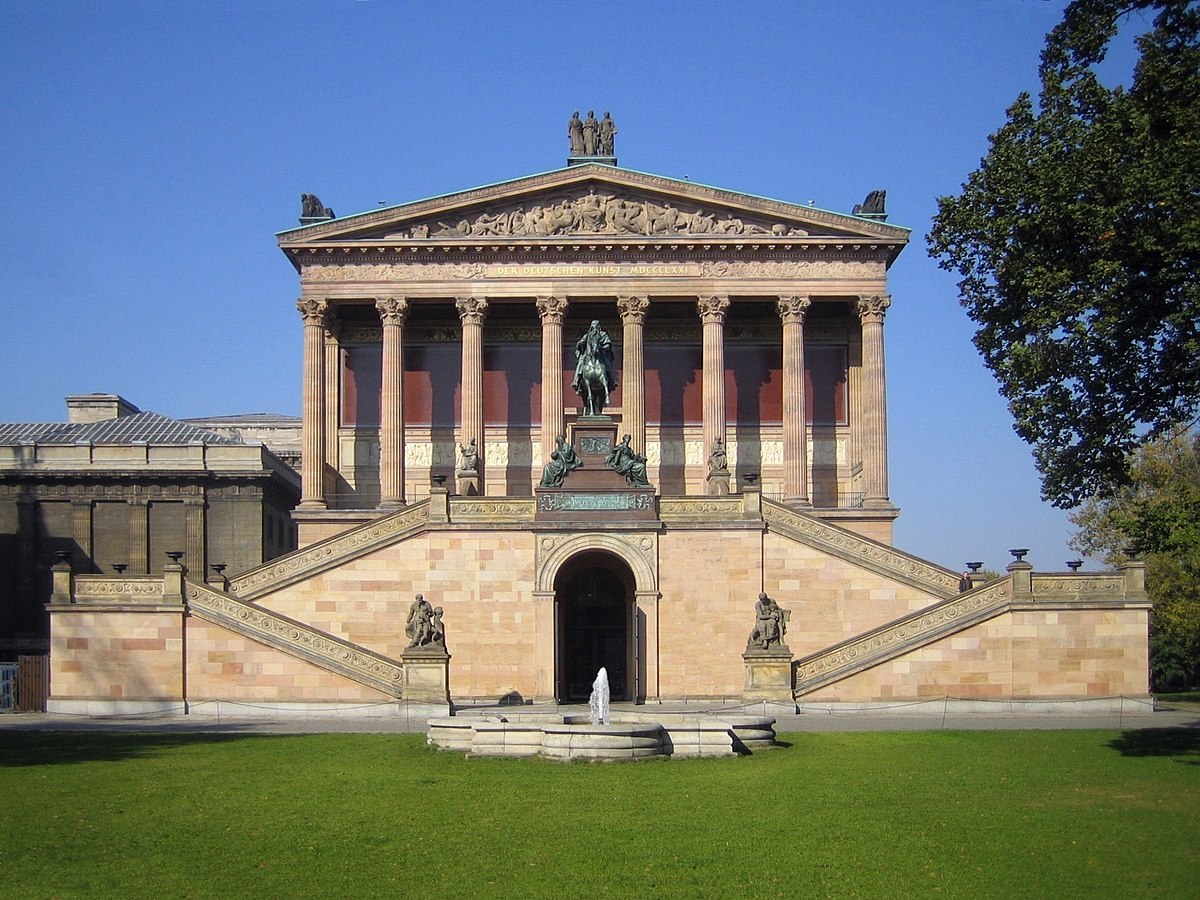
Alte Nationalgalerie
📍 Berlin, Germany
The Alte Nationalgalerie, an esteemed art museum located in Berlin’s Bezirk Mitte, is a cornerstone of cultural appreciation in Germany. This museum …