
German Cancer Research Center
Overview
In the heart of Heidelberg, Germany, the German Cancer Research Center (Deutsches Krebsforschungszentrum, DKFZ) stands as a leading institution in the pursuit of innovative cancer research. As a national cancer research center, it plays a pivotal role in advancing the understanding of cancer biology and developing novel strategies for prevention, diagnosis, and treatment. With its commitment to scientific excellence and collaboration, the DKFZ not only contributes to local health initiatives but also influences global cancer research.
The center’s location in Heidelberg, a city renowned for its academic heritage and vibrant intellectual community, enhances its mission. It serves as a hub for researchers and medical professionals from around the world, fostering an environment where groundbreaking ideas can flourish. Visitors to the DKFZ will find a place where science meets community engagement, offering a unique glimpse into the future of cancer treatment and research.
Whether you are a professional in the medical field, a student keen on scientific inquiry, or simply someone interested in the ongoing battle against cancer, a visit to the German Cancer Research Center promises insightful experiences steeped in cutting-edge research and innovation.
History and Significance
The German Cancer Research Center was established as a response to the growing need for focused cancer research in Germany. Over the years, it has developed into a key player in the international cancer research community. The center’s mission revolves around understanding the complexities of cancer, with a multidisciplinary approach that integrates molecular biology, genetics, and clinical research.
Culturally, the DKFZ holds significant importance as it not only generates knowledge but also promotes public awareness about cancer prevention and treatment. The center actively engages with the community through outreach programs aimed at educating the public about cancer risks, early detection, and lifestyle changes that can contribute to cancer prevention. This commitment to education and public health underscores the cultural relevance of the DKFZ in shaping health policies and practices in Germany and beyond.
The center’s research initiatives are often collaborative, involving partnerships with universities, hospitals, and research institutions worldwide. These collaborations enhance its ability to tackle complex cancer challenges and develop innovative solutions that can be translated into clinical practice. The DKFZ’s influence extends beyond Germany, as its findings and breakthroughs contribute to global health efforts in fighting cancer.
Architecture and Features
The architecture of the German Cancer Research Center is functional and modern, designed to facilitate collaborative research. The building reflects a contemporary aesthetic that aligns with its scientific purpose, featuring open spaces that encourage interaction among researchers.
Inside, the DKFZ is equipped with state-of-the-art laboratories and research facilities that house advanced technology for cancer research. These features enable scientists to conduct experiments and analyze data efficiently, contributing to the center’s reputation as a leader in the field.
While the primary focus is on research, the DKFZ also emphasizes sustainability in its operations and construction. This commitment to environmentally friendly practices is evident in the design and functioning of its facilities, aligning with broader global goals of sustainability in research.
Visiting Information
Visiting the German Cancer Research Center offers a unique opportunity to learn about cutting-edge cancer research. While the center is primarily a research institution, it sometimes opens its doors for special events or educational tours. To ensure a meaningful experience, it is advisable to check the official website for current information regarding visiting hours and any special programs available.
Transportation to the DKFZ is accessible via public transport, with several bus and tram lines serving the area. Visitors can utilize local transit systems to reach the center conveniently.
When planning a visit, consider spending a couple of hours at the center to fully appreciate its offerings. The best times to visit may coincide with public events or open days, which can provide deeper insights into the center’s work.
Nearby Attractions
Heidelberg is rich in cultural and historical landmarks that complement a visit to the German Cancer Research Center:
Heidelberg Castle: A short distance from the center, this iconic hilltop castle offers stunning views and a glimpse into the region’s history.
Philosopher’s Walk: This scenic path provides a leisurely stroll with beautiful views of the city and the Neckar River, ideal for a reflective break after visiting the center.
University of Heidelberg: Founded in 1386, this is one of Germany’s oldest universities and a focal point of academic life in the city.
Old Town (Altstadt): A charming area filled with narrow streets, shops, and cafes, perfect for experiencing local culture and cuisine.
Neckar River Promenade: A pleasant area for walking or cycling along the river, offering opportunities for relaxation and enjoying the natural beauty of the surroundings.
Insider Tips
To make the most of your visit to the German Cancer Research Center, consider the following tips:
- Photography may be restricted in certain areas, so it’s best to inquire upon arrival regarding specific policies.
- To avoid crowds, plan your visit during weekdays, as weekends may attract more visitors.
- If you are interested in specific areas of research, check the schedule for any public lectures or presentations that might coincide with your visit.
Practical Information
When visiting the German Cancer Research Center, here are some practical considerations:
- Bring a valid form of identification, as some areas may require visitor registration.
- Seasonal considerations include dressing appropriately for the weather, as Germany can experience varied climates throughout the year.
- Comfortable footwear is recommended, especially if you plan to explore nearby attractions on foot.
Frequently Asked Questions
How long should I spend visiting?
A visit of about 2-3 hours is generally recommended to fully engage with the exhibits and any available programs.
Is photography allowed?
Photography policies may vary, so it’s best to check with staff upon arrival.
Are there guided tours?
While the center may not regularly offer guided tours, special events may include opportunities for guided experiences.
What’s the best time to visit?
Weekdays are often less crowded, and special events may provide unique insights, so check the schedule ahead of time.
Is it wheelchair accessible?
The center aims to accommodate all visitors, but checking specific accessibility options on the official website is recommended.
Can I buy tickets online?
Ticketing information will depend on specific events or programs, so consult the official website for details.
Are there restrooms and cafes?
Facilities may be available, but it’s advisable to check the center’s amenities before your visit.
What should I wear?
Dress comfortably, and consider the weather, as conditions can vary throughout the year.
For those interested in the intersection of science and public health, the German Cancer Research Center is a significant institution that reflects the dedication to understanding and combating cancer, making it a worthwhile addition to any itinerary in Heidelberg.
More in Baden-Württemberg

Aachtobel
📍 Baden-Württemberg, Germany
Aachtobel, located in the picturesque region of Baden-Württemberg, Germany, serves as a vital natural reserve, offering a serene escape into the …

Aalen Central station
📍 Baden-Württemberg, Germany
Aalen Central Station serves as a vital railway hub in southern Germany’s Baden-Württemberg region, connecting travelers to local and regional …

Aalkistensee
📍 Baden-Württemberg, Germany
Aalkistensee, located in the serene region of Maulbronn in Baden-Württemberg, Germany, is a tranquil lake that invites visitors into its peaceful …

Abbey and Altenmünster of Lorsch
📍 Baden-Württemberg, Germany
The Abbey and Altenmünster of Lorsch is a UNESCO World Heritage site located in the charming town of Lorsch, Germany. This significant cultural …

Abbey of Reichenau
📍 Baden-Württemberg, Germany
The Abbey of Reichenau, a significant monastery located in the serene Reichenau region of Germany, serves as a remarkable window into the religious …

Abbey of Saint Peter in the Black Forest
📍 Baden-Württemberg, Germany
The Abbey of Saint Peter in the Black Forest is a remarkable testament to monastic tradition, offering visitors a direct encounter with the serene …
More Foundations

Academy of the Konrad-Adenauer-Stiftung
📍 Berlin, Germany
The Academy of the Konrad-Adenauer-Stiftung, located in the heart of Berlin, is not just a foundation but a hub of intellectual discourse and …

Akademie Schloss Solitude
📍 Baden-Württemberg, Germany
Akademie Schloss Solitude is a distinguished foundation located in Stuttgart, Germany, that serves as a cultural and artistic haven for individuals …
Alerds-Stiftung
📍 Lower Saxony, Germany
Alerds-Stiftung, located in the historic city of Brunswick, Germany, represents a significant cultural and philanthropic institution dedicated to …

Alfred Wegener Institute for Polar and Marine Research
📍 Bremen, Germany
The Alfred Wegener Institute for Polar and Marine Research, located in Bremerhaven, Germany, stands as a cornerstone of scientific inquiry into the …

Bavarian Elite-Academy
📍 Bavaria, Germany
The Bavarian Elite-Academy, located in the vibrant city of Munich, Germany, is a foundation dedicated to fostering excellence in various fields of …
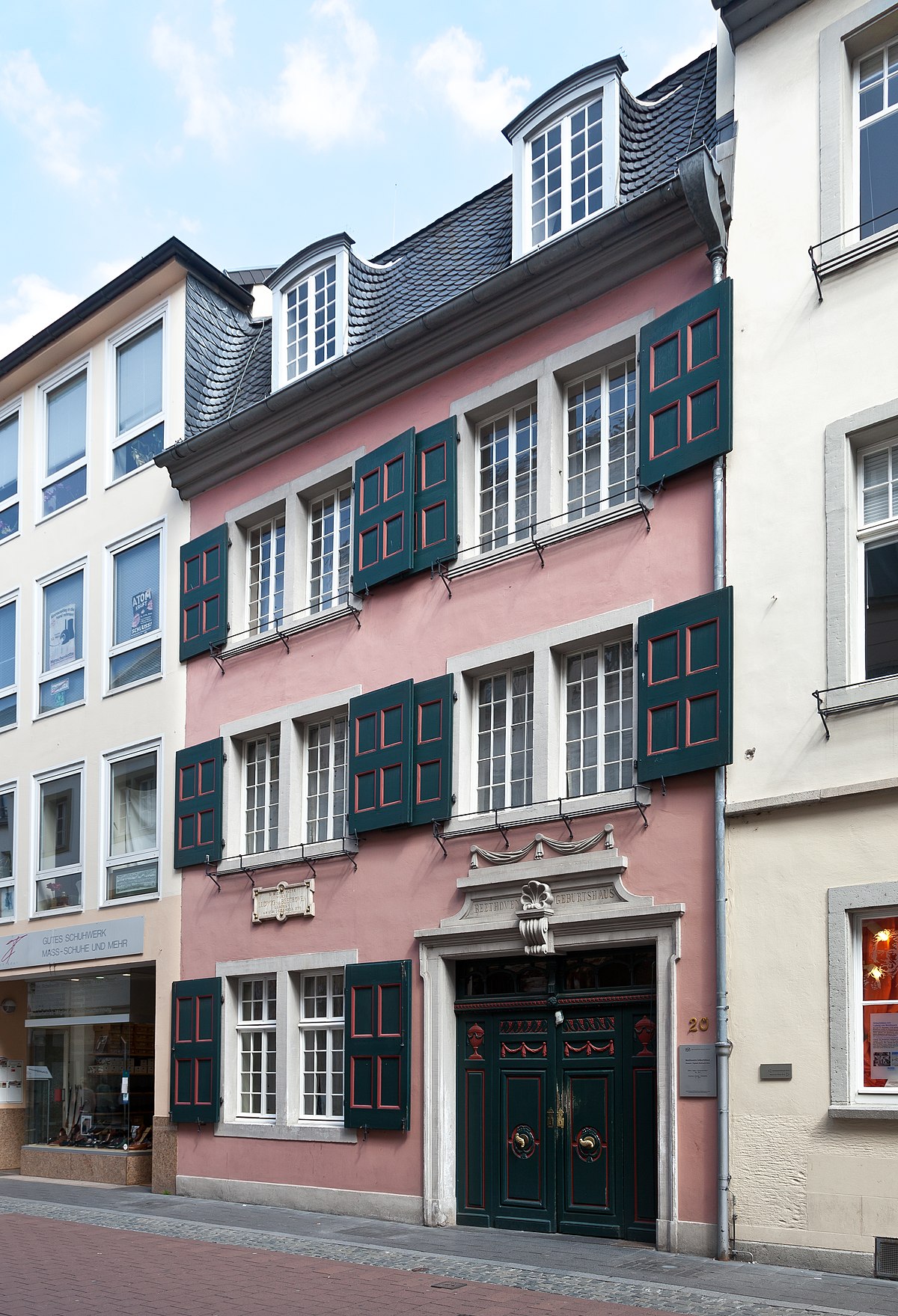
Beethoven House
📍 North Rhine-Westphalia, Germany
Beethoven House is a celebrated museum and the birthplace of Ludwig van Beethoven, one of the most influential composers in Western music history. …