
Genscher-Haus
Overview
Genscher-Haus, located in the heart of Halle (Saale), Germany, serves as a museum dedicated to the life and legacy of Hans-Dietrich Genscher, a prominent political figure in German history. As the birthplace of Genscher, who played a pivotal role in the reunification of Germany and European diplomacy during the late 20th century, this museum offers visitors a unique glimpse into the personal and political narrative of one of Germany’s most notable statesmen.
Halle (Saale), situated in the state of Saxony-Anhalt, is known for its vibrant cultural scene and historical significance. Genscher-Haus stands out not only for its focus on political history but also as a symbol of the region’s contribution to significant national events. Visitors can expect to engage with various exhibitions that reflect Genscher’s impact on politics and society, making it a worthwhile stop for those interested in modern German history.
By exploring Genscher-Haus, guests are invited to consider the complexities of political life and the historical context in which Genscher operated. The museum promises an enriching experience, encouraging reflection on the past while connecting it to contemporary issues in governance and diplomacy.
History and Significance
Hans-Dietrich Genscher was born in Halle (Saale) in 1927 and rose to prominence as a leading figure in German politics. His early life and educational background laid the groundwork for a career that would see him serve as the Minister of Foreign Affairs and Vice Chancellor of Germany for nearly two decades. Genscher’s influence extended beyond national borders, as he was a key player in the negotiations that led to the reunification of Germany in 1990.
Genscher-Haus, established in his birthplace, serves as both a museum and a tribute to his legacy. The museum’s exhibitions provide insights into Genscher’s formative years, his political career, and the significant events that shaped modern Europe. Through multimedia displays and personal artifacts, visitors can grasp the challenges and triumphs that defined Genscher’s contributions to German and European politics.
The museum also reflects the broader historical context of Germany during the Cold War and the subsequent reunification. Genscher’s policies and diplomatic efforts during these transformative years are explored, inviting visitors to understand the complexities of political leadership amid change.
Genscher was known for his diplomatic acumen, and the museum’s exhibits highlight his role in fostering dialogue and cooperation among nations. By celebrating his contributions, Genscher-Haus not only honors a significant political figure but also serves as a reminder of the importance of diplomacy in maintaining peace and stability.
Architecture and Features
While specific architectural details about Genscher-Haus are not provided, the museum is housed in the historical building where Hans-Dietrich Genscher was born. The structure itself carries significance, as it reflects the architectural styles prominent in the region during Genscher’s early life.
Inside, the museum features various exhibitions that showcase Genscher’s life, his political career, and the historical events surrounding him. The layout is designed to facilitate an engaging experience, with informative displays that guide visitors through different aspects of his life and achievements.
Notable features of the museum include interactive exhibits that allow guests to delve deeper into the political landscape of the time, as well as personal memorabilia that offer a glimpse into Genscher’s everyday life. These elements combine to create an educational and reflective atmosphere for all who visit.
Visiting Information
To reach Genscher-Haus, visitors can utilize local transport options available in Halle (Saale), including buses and trams, which provide convenient access to the museum. The museum’s location in the city center makes it easily accessible for those exploring other local attractions.
Check the official website for current information regarding opening hours and ticket prices, as these can vary. As a general guideline, visitors may wish to allocate at least one to two hours to fully appreciate the exhibits and the historical context they present.
The museum is open year-round, though the best times to visit may depend on local events and tourist seasons. Early mornings or late afternoons during weekdays are often less crowded, providing a more personal experience within the museum.
Expect a well-curated experience that combines educational content with personal stories from Genscher’s life, making it a fitting tribute to his legacy.
Nearby Attractions
Marktkirche St. Mary: This stunning Gothic church is a prominent landmark in Halle, known for its impressive architecture and historical significance.
Halle State Museum of Prehistory: Just a short distance away, this museum showcases artifacts from ancient times, offering insight into the region’s history.
The Francke Foundations: A historical complex that includes educational facilities and museums, highlighting the philanthropic work of August Hermann Francke in the 18th century.
Halle Opera House: For those interested in performing arts, the opera house offers a variety of performances and is an architectural highlight of the city.
Peißnitz Island: A scenic area perfect for leisurely walks, picnics, and enjoying nature, located along the Saale River, providing a peaceful contrast to urban attractions.
Insider Tips
To capture the essence of Genscher-Haus without the distractions of large crowds, consider visiting during off-peak hours, especially on weekdays. This allows for a more immersive experience as you explore the exhibits.
Photography may be allowed in certain areas of the museum, but it’s advisable to check for any restrictions upon entry. Engaging with the displays and taking notes can enhance your visit, helping you remember the significant information about Genscher’s life and contributions.
Practical Information
When visiting Genscher-Haus, it’s recommended to bring along essentials such as a camera, a notebook, or a tablet for notes, and comfortable walking shoes. The museum may have specific seasonal considerations, so dressing in layers is advisable to accommodate varying indoor and outdoor temperatures.
Additionally, consider checking the official website for any seasonal events or special exhibitions that may enhance your visit. Being prepared will ensure a more enjoyable and informative experience at the museum.
Frequently Asked Questions
How long should I spend visiting?
A visit to Genscher-Haus typically takes about one to two hours, depending on your interest level in the exhibits.
Is photography allowed?
Photography policies can vary, so it’s best to check for any restrictions at the entrance of the museum.
Are there guided tours?
Check the official website for information on guided tours, as they may be available during certain times or for special groups.
What’s the best time to visit?
Early mornings or late afternoons on weekdays are generally less crowded, making for a more relaxed experience.
Is it wheelchair accessible?
Accessibility features may be available, but it’s advisable to check the official website for specific details.
Can I buy tickets online?
Check the official website for the current options regarding ticket purchases, including online availability.
Are there restrooms and cafes?
Facilities such as restrooms are typically available; check the official website for information on cafes or nearby dining options.
What should I wear?
Dress comfortably and consider layering, as temperatures can vary between indoor and outdoor environments.
Exploring Genscher-Haus will provide a deeper understanding of both Hans-Dietrich Genscher’s life and the broader historical context in which he operated, making it a significant stop for anyone interested in modern German heritage.
More in Brandenburg
Agnetenkloster
📍 Brandenburg, Germany
Agnetenkloster, a former monastery located in the heart of Magdeburg, Germany, invites visitors to explore its serene ambiance and historical …

Agroneum
📍 Brandenburg, Germany
Agroneum is a museum located in the serene landscape of Alt Schwerin, Germany. This establishment serves as a vibrant hub for those interested in the …

Alexander Nevsky Memorial Church
📍 Brandenburg, Germany
The Alexander Nevsky Memorial Church in Potsdam, Germany, offers visitors a unique glimpse into the city’s cultural and religious heritage. This …
Alexandrowka
📍 Brandenburg, Germany
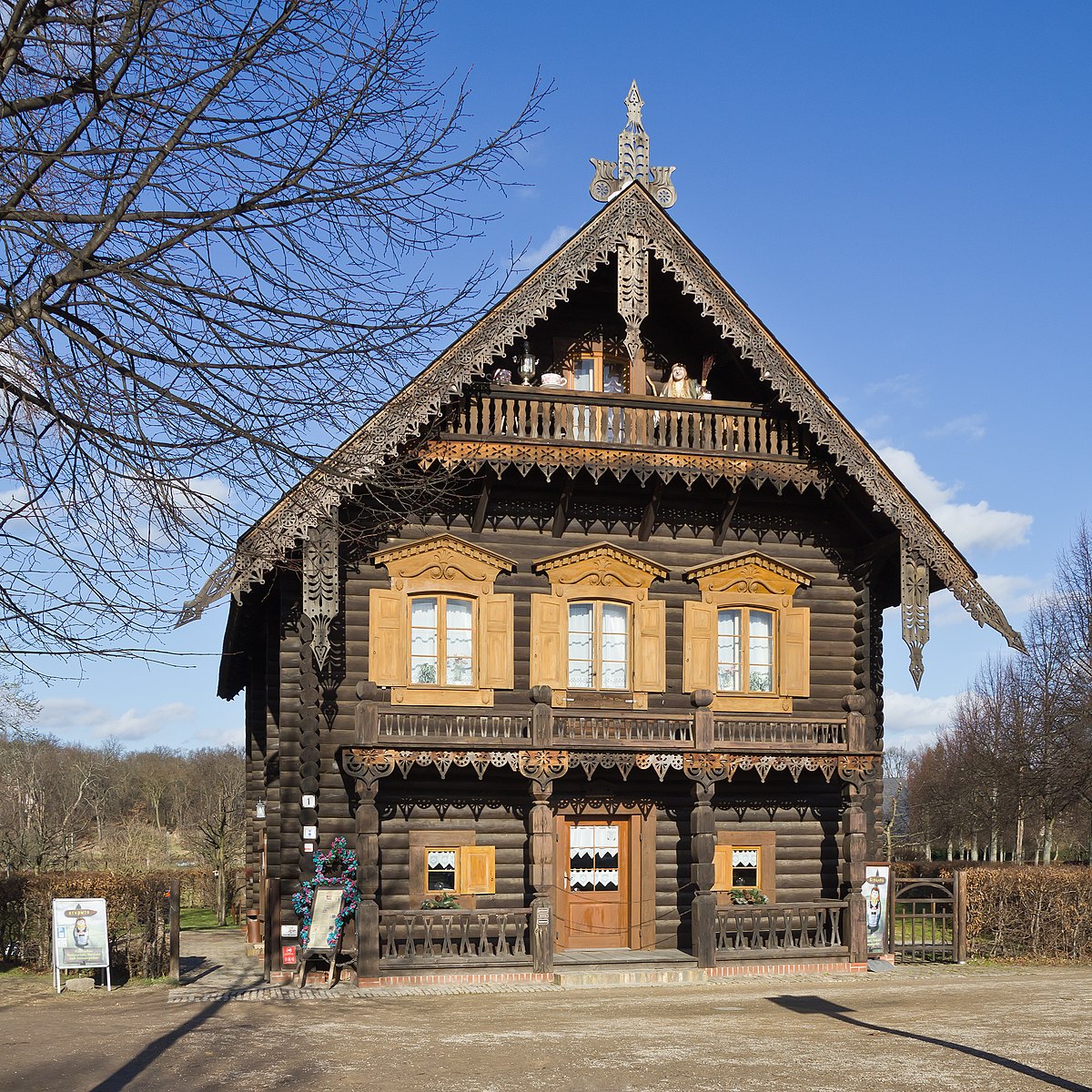
Located in the picturesque city of Potsdam, Germany, Alexandrowka is an intriguing architectural ensemble that reflects a unique blend of Russian and …

Alte Burg Penzlin
📍 Brandenburg, Germany
Alte Burg Penzlin, a captivating castle located in the quaint town of Penzlin, Germany, serves as a remarkable example of medieval architecture and …

Alte Dorfkirche Röxe
📍 Brandenburg, Germany
The Alte Dorfkirche Röxe stands as a poignant symbol of architectural and cultural history in the Stendal region of Germany. This church building, …
More Museums

Abbey and Altenmünster of Lorsch
📍 Baden-Württemberg, Germany
The Abbey and Altenmünster of Lorsch is a UNESCO World Heritage site located in the charming town of Lorsch, Germany. This significant cultural …
Abenteuermuseum
📍 Rhineland-Palatinate, Germany
The Abenteuermuseum, located in Germany, invites visitors to explore the wonders of adventure through its unique exhibits and engaging experiences. …

Abwasser- und Sielmuseum
📍 Hamburg, Germany
The Abwasser- und Sielmuseum, located in the heart of Hamburg-Mitte, offers a unique glimpse into the city’s historical infrastructure concerning …

Academy of Arts, Berlin
📍 Berlin, Germany
The Academy of Arts in Berlin is not just a museum; it is a prominent national institution dedicated to the advancement of the arts in Germany. …

Ackerbürgermuseum Haus Leck
📍 Hesse, Germany
Ackerbürgermuseum Haus Leck is a culturally significant museum located in Germany’s Grebenstein region, dedicated to preserving and showcasing the …

Active Museum Spiegelgasse
📍 Hesse, Germany
Active Museum Spiegelgasse is a vital institution dedicated to preserving and exploring the German-Jewish history of Wiesbaden, Germany. Located in …