
Gemäldegalerie Berlin
Overview
The Gemäldegalerie Berlin stands as a premier destination for art enthusiasts in the heart of Germany’s capital. Located in the Bezirk Mitte district, this art museum holds an extensive collection that spans several centuries, showcasing masterpieces from the likes of Raphael, Rembrandt, and Vermeer. For both casual visitors and serious art connoisseurs, the museum presents an opportunity to engage with European art history through its carefully curated exhibitions.
The museum is part of the cultural landscape of Berlin, which is renowned for its rich history and vibrant arts scene. With its strategic location, the Gemäldegalerie is easily accessible, making it a must-visit for anyone interested in exploring the artistic heritage of Europe. The museum not only houses an impressive array of paintings but also serves as a cultural hub, hosting various events and educational programs throughout the year.
As you step into the museum, you are invited to explore an extraordinary journey through art, where each painting tells its own story, reflecting the societal and cultural changes of its time. Whether you are an art lover or a curious traveler, the Gemäldegalerie promises an enriching experience that highlights the significance of visual art in understanding human history.
History and Significance
The Gemäldegalerie has become a symbol of cultural importance in Berlin, reflecting the evolution of European art from the 13th to the 18th centuries. Founded in the early 19th century, the museum began with a collection that aimed to represent the artistic achievements of the European masters. Over the years, it has grown into one of the most significant art museums in the world, attracting scholars and visitors alike.
The collection at the Gemäldegalerie is particularly notable for its extensive range of works by the Old Masters. Artists such as Titian, Botticelli, and Caravaggio are prominently featured, providing insights into the techniques and themes prevalent in their time. The museum’s commitment to preserving these masterpieces and making them accessible to the public underscores its role in promoting cultural education and appreciation.
In addition to its permanent collection, the Gemäldegalerie frequently hosts temporary exhibitions that explore various themes in art history, allowing it to remain a dynamic institution within the cultural fabric of Berlin. The museum also engages in research and collaboration with other institutions, further enhancing its stature as a center for art scholarship.
The significance of the Gemäldegalerie is not only in its collection but also in its ability to foster dialogue about art and its role in society. Through educational programs, lectures, and workshops, the museum encourages visitors to engage with art on a deeper level, fostering an understanding of its impact on culture and history.
Architecture and Features
The architecture of the Gemäldegalerie is as intriguing as the art it houses. The museum was designed by the renowned architect Hans Scharoun, whose modernist approach is evident in the building’s innovative design. The structure features a sleek and functional exterior, characterized by its use of natural light and open spaces that enhance the visitor experience.
Inside, the layout of the museum is thoughtfully organized, allowing for a fluid flow from one gallery to another. The exhibition spaces are designed to showcase the artworks in a way that highlights their significance while providing ample room for visitors to appreciate each piece. The interplay of light and shadow within the galleries creates an inviting atmosphere, encouraging prolonged engagement with the art.
Notable features within the museum include carefully curated thematic exhibitions that rotate regularly, ensuring that there is always something new to discover during each visit. The museum also houses a library and study rooms, offering resources for researchers and art students.
The Gemäldegalerie’s commitment to accessibility is evident in its facilities, providing visitors with a comfortable and inclusive environment. Whether you are exploring the intricate details of a Baroque painting or simply enjoying the ambiance of the museum, the architectural design enhances the overall experience.
Visiting Information
Planning a visit to the Gemäldegalerie Berlin is straightforward, given its central location in Berlin. The museum is well-serviced by public transport, making it easily accessible from various parts of the city. Visitors can reach the museum via bus and tram services, with several stops located nearby.
For up-to-date information regarding hours of operation and ticket prices, check the official website. The museum often features special exhibitions that may require separate admission, so it is advisable to review this information in advance.
When visiting, it is recommended to allocate sufficient time to fully explore the galleries. Depending on individual interest levels, visitors may want to spend between two to four hours at the museum. Early mornings or late afternoons are typically quieter times for visits, allowing for a more intimate experience with the artworks.
Expect to see well-organized exhibitions that guide you through the various periods and styles of European art. The museum staff is knowledgeable and can provide insights into the collections, enhancing your understanding of the pieces on display.
Nearby Attractions
The Gemäldegalerie is situated in a vibrant cultural district, surrounded by several notable attractions that enhance the experience of your visit. Nearby, you can explore:
Potsdamer Platz: A bustling square known for its modern architecture, shops, and entertainment options, it offers a contrast to the classic art found in the museum.
Berlin Philharmonic: Famous for its striking architecture, this concert hall is renowned for its exceptional acoustics and world-class performances.
The Kulturforum: A cultural complex that houses multiple institutions, including the Museum of Musical Instruments and the Neue Nationalgalerie, providing further opportunities to explore art and culture.
Tiergarten: A large urban park perfect for a leisurely stroll, the Tiergarten offers a serene environment to relax after your visit to the museum.
The Berlin State Library: An impressive architectural landmark, it offers a vast collection of literature and serves as a hub for research and scholarship.
Insider Tips
To make the most of your visit to the Gemäldegalerie, consider these insider tips:
Photography: While photography is often permitted in many galleries, it’s essential to check for specific rules regarding flash photography or tripod use.
Crowd Avoidance: To enjoy a more peaceful experience, try visiting on weekdays or during early opening hours, as weekends can be busier with local and international visitors.
Guided Tours: Consider joining a guided tour for a more in-depth understanding of the collection, as knowledgeable guides can provide context and stories behind the artworks.
Visitor Support: Don’t hesitate to ask museum staff for assistance or recommendations on what to see, especially if you have limited time.
Practical Information
When planning your visit to the Gemäldegalerie, keep the following practical considerations in mind:
What to Bring: Dress comfortably and wear sturdy shoes, as you may spend several hours walking around the galleries. A small bag for personal items is advisable, but large backpacks may not be allowed.
Seasonal Considerations: The museum is open year-round, but certain exhibitions may only be available during specific seasons. Always check the official website for details on temporary exhibitions or events.
Dining Options: There are eateries nearby where you can enjoy a meal or a coffee after your visit. Consider planning your visit around lunchtime to combine your cultural experience with a culinary one.
Frequently Asked Questions
How long should I spend visiting?
Visitors typically spend two to four hours exploring the galleries, depending on their level of interest.
Is photography allowed?
While photography is generally permitted, it is best to check for specific restrictions regarding flash and tripods.
Are there guided tours?
Yes, the museum offers guided tours that provide deeper insights into the collections and their historical context.
What’s the best time to visit?
Weekdays or early mornings are usually quieter, allowing for a more relaxed experience.
Is it wheelchair accessible?
The Gemäldegalerie is equipped to accommodate visitors with disabilities, including wheelchair accessibility.
Can I buy tickets online?
Yes, tickets can often be purchased online. Check the official website for details and any special exhibition requirements.
Are there restrooms and cafes?
The museum offers restroom facilities and has nearby cafes where you can take a break.
What should I wear?
Dress comfortably, and consider wearing layers as the temperature inside the museum may vary.
Location
More in Berlin

144., 176. und 184. Gemeindeschule
📍 Berlin, Germany
The 144., 176. und 184. Gemeindeschule, an architectural ensemble located in the vibrant city of Berlin, stands as a noteworthy example of educational …

Academy of Arts (Hanseatenweg)
📍 Berlin, Germany
The Academy of Arts (Hanseatenweg) stands as an emblem of Berlin’s vibrant cultural landscape, located in the historic Hansaviertel district. Renowned …

Academy of Arts, Berlin
📍 Berlin, Germany
The Academy of Arts in Berlin is not just a museum; it is a prominent national institution dedicated to the advancement of the arts in Germany. …

Academy of the Konrad-Adenauer-Stiftung
📍 Berlin, Germany
The Academy of the Konrad-Adenauer-Stiftung, located in the heart of Berlin, is not just a foundation but a hub of intellectual discourse and …

ACUD
📍 Berlin, Germany
Located in the heart of Berlin’s Bezirk Mitte, ACUD serves as a vibrant cultural center and cinema, showcasing an array of films and events that …

Admiralspalast
📍 Berlin, Germany
Admiralspalast is a prominent theatre and event venue located in the heart of Berlin, Germany. This architectural gem serves as a cultural hub, …
More Art Museums

Aachen Cathedral Treasury
📍 North Rhine-Westphalia, Germany
Aachen Cathedral Treasury, located in the historic city of Aachen, Germany, is a remarkable art museum that houses an impressive collection of …

Abteiberg Museum
📍 North Rhine-Westphalia, Germany
In the heart of Mönchengladbach, Germany, the Abteiberg Museum stands out as a prominent destination for art enthusiasts and cultural explorers alike. …

Akademisches Kunstmuseum
📍 North Rhine-Westphalia, Germany
In the heart of Bonn, Germany, lies the Akademisches Kunstmuseum, an art museum that invites visitors to explore a diverse collection of artworks …

Albertinum
📍 Saxony, Germany
Albertinum is a prominent art museum located in the heart of Dresden, Germany, serving as a significant cultural institution in the region. …

Albrecht Dürer's House
📍 Bavaria, Germany
Albrecht Dürer’s House stands as a significant cultural landmark in Nuremberg, Germany, celebrating the life and work of one of the Renaissance’s most …
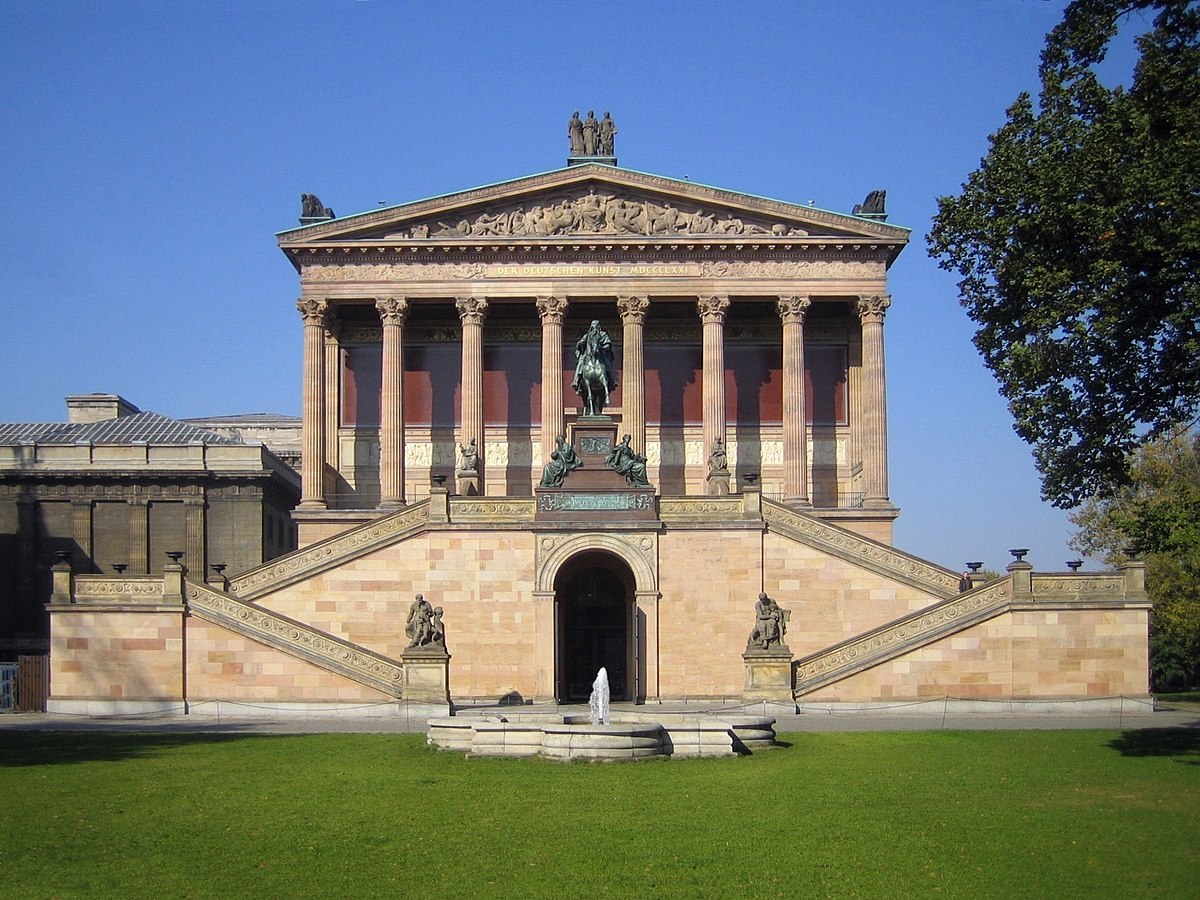
Alte Nationalgalerie
📍 Berlin, Germany
The Alte Nationalgalerie, an esteemed art museum located in Berlin’s Bezirk Mitte, is a cornerstone of cultural appreciation in Germany. This museum …