
Gemäldegalerie Alte Meister
Overview
The Gemäldegalerie Alte Meister in Dresden, Germany, is a distinguished art museum that showcases a remarkable collection of European masterpieces. Located in the heart of the city, this gallery has become a pivotal site for art lovers and historians alike, drawing visitors from around the globe to explore its extensive array of works. The museum’s collection spans several centuries, featuring renowned pieces from the likes of Raphael, Titian, and Rembrandt. With its stunning architecture and rich offerings, the Gemäldegalerie Alte Meister is not just an art museum; it is a vital part of the cultural fabric of Dresden.
The museum’s strategic location makes it an essential stop for anyone exploring the historic sites of Dresden. Its presence further emphasizes the city’s reputation as a center of art and culture, showcasing how artistic expression has evolved over time. Visitors can expect to be immersed in the beauty and intricacy of the works on display, creating lasting impressions that extend beyond the confines of the gallery walls.
History and Significance
The origins of the Gemäldegalerie Alte Meister can be traced back to the 18th century when an initiative to collect and preserve artworks began in Dresden. Over the years, the gallery has evolved into one of the most important art museums in the world, reflecting the changing tastes and historical circumstances of its time. The collection was initially established under the direction of Augustus the Strong, Elector of Saxony and King of Poland, who aimed to create a repository of art that would rival the great collections of Europe.
Throughout its history, the museum has faced various challenges, including the destruction caused during World War II, which led to significant losses of artworks. However, the resilience of the institution and the dedication of curators and restorers have allowed it to recover, making it a premier destination for art enthusiasts. The gallery’s commitment to preserving its collection while also engaging with contemporary audiences has kept it relevant in today’s cultural landscape.
The significance of the Gemäldegalerie Alte Meister extends beyond its impressive collection. It serves as a reminder of the enduring power of art to inspire, provoke thought, and foster connections across cultures and generations. The museum’s role in the cultural life of Dresden and beyond cannot be overstated, as it continues to attract scholars, students, and casual visitors alike, all eager to explore the artistic treasures it houses.
Architecture and Features
The Gemäldegalerie Alte Meister is housed in a building that reflects the architectural grandeur typical of German museums. Its design harmoniously integrates with the surrounding landscape, enhancing the overall aesthetic experience for visitors. The exterior features classic elements that are characteristic of the period in which it was constructed, providing a fitting backdrop for the masterworks within.
Inside, the gallery is organized in a way that allows for an engaging flow from one exhibit to the next. The spacious galleries are designed to accommodate large paintings, enhancing the viewing experience. Natural light floods certain areas, illuminating the artworks and allowing visitors to appreciate the intricate details and vivid colors of each piece.
Notable features of the museum include its careful curation and arrangement of artworks, which often group pieces by artist or theme, creating a dialogue between the works. The careful consideration of lighting and display further enhances the viewing experience, making it an inviting space for contemplation and study.
The museum also provides educational resources and programming that deepen visitors’ understanding of the artworks on display. This commitment to education underscores the gallery’s role not only as a repository of art but also as a center for learning and engagement with the cultural history of Europe.
Visiting Information
Visiting the Gemäldegalerie Alte Meister is a rewarding experience for art lovers and casual visitors alike. Located in Dresden, the museum is easily accessible by various modes of transportation. Public transportation options, including buses and trams, provide convenient access to the museum from different parts of the city.
When planning your visit, be sure to check the official website for current information on opening hours and ticket prices. The museum typically attracts a diverse crowd, so it is advisable to visit during weekdays or early in the day to avoid peak times.
Depending on your level of interest in art, you may want to allocate a few hours to fully appreciate the collection. A visit can be enhanced by taking your time to explore each gallery, allowing for a deeper appreciation of the artworks and their historical context.
For the best experience, consider visiting during special exhibitions or events, which often provide unique insights and additional opportunities to engage with the art. The museum is also equipped with amenities such as rest areas, making it comfortable for visitors to take breaks during their exploration.
Nearby Attractions
The Gemäldegalerie Alte Meister is strategically located near several other notable attractions in Dresden, allowing visitors to easily incorporate them into their itinerary. Here are a few recommendations:
Zwinger Palace: Just a short walk away, the Zwinger Palace is an impressive example of Baroque architecture. It houses several museums, including the Porcelain Collection and the Royal Cabinet of Mathematical and Physical Instruments.
Dresden Cathedral (Hofkirche): This stunning cathedral is renowned for its beautiful architecture and rich history. It serves as the main church of the Royal House of Saxony and is a must-visit for its artistic and cultural significance.
Frauenkirche: Another iconic landmark, the Frauenkirche is a symbol of Dresden’s resilience, having been reconstructed after its destruction in World War II. The church offers breathtaking views from its dome and hosts various concerts and events.
Brühl’s Terrace: Often referred to as the “Balcony of Europe,” Brühl’s Terrace is a picturesque promenade along the Elbe River, offering stunning views and a serene environment to relax after a day of exploring.
Dresden State Art Collections: In addition to the Gemäldegalerie Alte Meister, the State Art Collections encompass various museums that showcase a wide range of art and historical artifacts, making it a rich cultural hub.
Insider Tips
To make the most of your visit to the Gemäldegalerie Alte Meister, consider some helpful insider tips. Firstly, photography may be restricted in certain areas, so it is best to familiarize yourself with the museum’s policies upon arrival. Additionally, if you prefer to avoid large crowds, try visiting on weekdays or during the early hours when the museum opens.
Engaging with the museum’s staff can also enhance your experience. They are often knowledgeable about the collections and can provide insights that enrich your understanding of the artworks.
Finally, be sure to wear comfortable shoes, as you may find yourself walking for several hours as you explore the galleries. Taking breaks in designated areas can help you recharge and make the most of your time.
Practical Information
When visiting the Gemäldegalerie Alte Meister, it’s advisable to bring a few essentials. Comfortable clothing and footwear are recommended, as you may spend considerable time walking throughout the museum. A small bag to carry personal items can be helpful, but larger bags may need to be checked at the entrance.
Seasonal considerations should also be taken into account. If visiting during the winter months, be prepared for colder temperatures and potential snow, which may affect travel plans. Conversely, the summer months can be warmer, making it important to stay hydrated during your visit.
For those traveling with children, consider bringing along activities or snacks to keep them engaged while enjoying the art.
Frequently Asked Questions
How long should I spend visiting?
A typical visit can last anywhere from two to four hours, depending on your level of interest in the artworks and exhibitions.
Is photography allowed?
Photography policies may vary throughout the museum, so it is advisable to check for any restrictions upon arrival.
Are there guided tours?
The museum often offers guided tours, which can provide valuable insights into the collection and enhance your experience.
What’s the best time to visit?
Weekdays and early mornings tend to be less crowded, providing a more intimate experience with the artworks.
Is it wheelchair accessible?
The museum is generally accessible, but it is recommended to check for specific accessibility features on the official website.
Can I buy tickets online?
Check the official website for current information regarding ticket purchasing options.
Are there restrooms and cafes?
The museum typically provides amenities such as restrooms and may have a café or designated areas for refreshments.
What should I wear?
Comfortable clothing and shoes are recommended, as you may spend a significant amount of time walking and standing while exploring the galleries.
The Gemäldegalerie Alte Meister offers an enriching experience that combines history, culture, and art, making it a must-visit destination for anyone traveling to Dresden.
More in Saxony

6. Grundschule "Am Großen Garten"
📍 Saxony, Germany
The 6. Grundschule “Am Großen Garten” stands as a significant educational institution in Dresden, Germany, embodying the principles of early childhood …

Albertinum
📍 Saxony, Germany
Albertinum is a prominent art museum located in the heart of Dresden, Germany, serving as a significant cultural institution in the region. …

All Saints Church, Dresden
📍 Saxony, Germany
All Saints Church, located in the vibrant city of Dresden, Germany, is a remarkable church building that captures the essence of the region’s …

Altarstein (Saxon Switzerland)
📍 Saxony, Germany
Altarstein, located in the picturesque region of Saxon Switzerland, Germany, is a captivating monument that draws visitors into its historical …

Alte Nikolaischule (Leipzig)
📍 Saxony, Germany
Alte Nikolaischule, located in the heart of Leipzig, Germany, is a significant educational institution with a rich heritage. Founded as a school, it …
Alte Schulbrücke Oberbobritzsch
📍 Saxony, Germany
The Alte Schulbrücke Oberbobritzsch is a striking bridge situated in the Bobritzsch-Hilbersdorf region of Germany. This structure serves not only as a …
More Art Museums

Aachen Cathedral Treasury
📍 North Rhine-Westphalia, Germany
Aachen Cathedral Treasury, located in the historic city of Aachen, Germany, is a remarkable art museum that houses an impressive collection of …

Abteiberg Museum
📍 North Rhine-Westphalia, Germany
In the heart of Mönchengladbach, Germany, the Abteiberg Museum stands out as a prominent destination for art enthusiasts and cultural explorers alike. …

Akademisches Kunstmuseum
📍 North Rhine-Westphalia, Germany
In the heart of Bonn, Germany, lies the Akademisches Kunstmuseum, an art museum that invites visitors to explore a diverse collection of artworks …
Albertinum
📍 Saxony, Germany
Albertinum is a prominent art museum located in the heart of Dresden, Germany, serving as a significant cultural institution in the region. …

Albrecht Dürer's House
📍 Bavaria, Germany
Albrecht Dürer’s House stands as a significant cultural landmark in Nuremberg, Germany, celebrating the life and work of one of the Renaissance’s most …
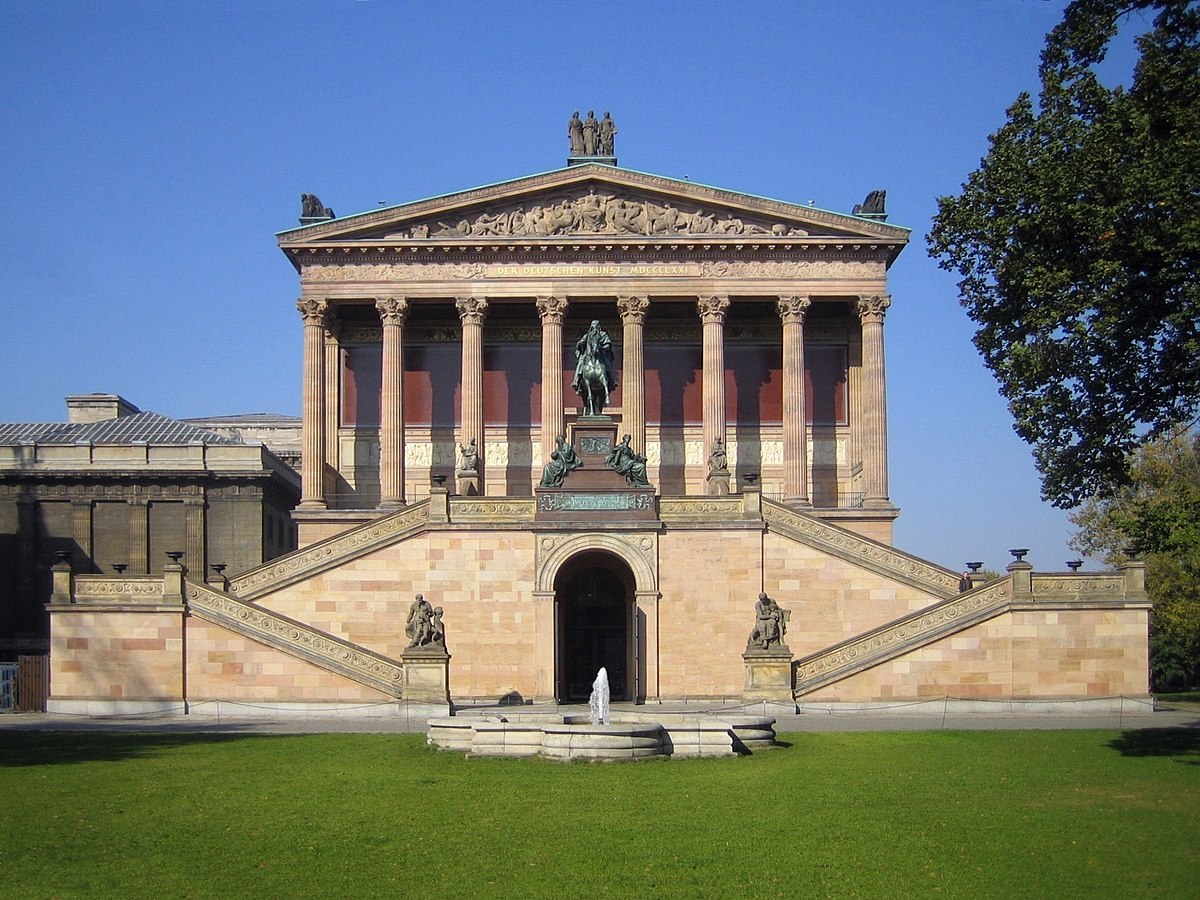
Alte Nationalgalerie
📍 Berlin, Germany
The Alte Nationalgalerie, an esteemed art museum located in Berlin’s Bezirk Mitte, is a cornerstone of cultural appreciation in Germany. This museum …