
Gedenkstätte Geschlossener Jugendwerkhof Torgau
Overview
The Gedenkstätte Geschlossener Jugendwerkhof Torgau serves as a poignant reminder of Germany’s complex past, particularly in relation to youth re-education during the late 20th century. Located in Torgau, Saxony, this museum and memorial invites visitors to reflect on the history of the former closed youth workhouse, where countless young people underwent a controversial system of rehabilitation. As you explore this site, you’ll gain insight into the struggles faced by youth during a turbulent era in German history, making it a significant stop for those interested in social justice, education, and the legacy of the German Democratic Republic (GDR).
With its rich historical context, Gedenkstätte Geschlossener Jugendwerkhof Torgau stands not only as a museum but also as a space for remembrance and reflection. The site serves to educate visitors on the challenges and societal issues surrounding youth in the GDR, encouraging a dialogue about the implications of state control over personal development. Visitors can expect an engaging experience that combines education with thought-provoking content, ensuring that the lessons of the past remain relevant for future generations.
History and Significance
The Gedenkstätte Geschlossener Jugendwerkhof Torgau occupies a site with a profound history related to youth reform and education. Originally established to address the needs of troubled youth, the institution operated under the premise of re-education, which often involved strict discipline and control. This approach reflected broader societal attitudes prevalent in the GDR, where the state sought to mold individuals into compliant citizens.
The museum serves as a critical space for understanding the socio-political mechanisms that influenced youth policies during this time. It highlights the experiences of young people who were subjected to the rigid structures of the workhouse, many of whom were sent there due to minor infractions or behavioral issues. The narratives presented in the museum reveal the often harsh realities of life inside the institution, shedding light on the psychological and emotional toll on the youth involved.
In addition to its educational role, the Gedenkstätte Geschlossener Jugendwerkhof Torgau functions as a memorial for those who suffered within its walls. It stands as a testament to the resilience of the human spirit and a reminder of the importance of safeguarding individual rights. By fostering awareness and understanding of this chapter in history, the museum plays a vital role in promoting discussions around youth empowerment and social justice.
Architecture and Features
The architectural style of the Gedenkstätte Geschlossener Jugendwerkhof Torgau reflects the utilitarian design typical of institutions from the GDR era. The structure is characterized by its straightforward, functional layout, aimed at serving the needs of its inhabitants rather than aesthetic appeal. As you approach the site, you may notice the stark, imposing features that mirror the strict environment that once prevailed within.
Inside the museum, various exhibits are thoughtfully arranged to guide visitors through the history of the youth workhouse. The displays incorporate a mix of photographs, artifacts, and personal accounts that bring the stories of former residents to life. These elements work together to create a cohesive narrative that highlights both the systemic issues at play and the individual experiences that were often overlooked.
The museum fosters a reflective atmosphere, encouraging visitors to engage with the material presented. The thoughtful curation of exhibits allows for a deeper understanding of the complexities surrounding youth rehabilitation and the social implications of such practices.
Visiting Information
For those planning a visit to the Gedenkstätte Geschlossener Jugendwerkhof Torgau, it’s advisable to check the official website for current information regarding hours and ticket prices. The museum is accessible by various means of transportation, including public transport options that connect Torgau to larger cities in the region.
Visitors can expect a comprehensive experience that may take several hours to fully explore. The museum’s layout allows for self-guided exploration, providing ample opportunity to delve into the exhibits at your own pace. It is recommended to allocate enough time to engage with the material, as the depth of the content can provoke thoughtful reflection.
The best times to visit are typically during weekdays when crowds are smaller, allowing for a more intimate experience with the exhibits. However, weekends can also be pleasant for those who enjoy a lively atmosphere.
Nearby Attractions
While visiting the Gedenkstätte Geschlossener Jugendwerkhof Torgau, consider exploring some nearby attractions that complement your historical journey:
Torgau Castle: A short distance away, this historic castle dates back to the Renaissance period and offers insights into the region’s architectural heritage.
St. Mary’s Church: Known for its beautiful Gothic architecture, this church is a notable landmark in Torgau and features stunning stained glass windows.
The Elbe River: A scenic spot for a leisurely walk or picnic, the river offers picturesque views and a chance to unwind after your museum visit.
The Town Museum Torgau: This museum showcases the local history and culture, providing additional context to your understanding of Torgau’s significance.
The Historical Market Square: A vibrant area filled with shops and cafes, this square is perfect for experiencing local life and enjoying a meal or drink.
Insider Tips
When visiting the Gedenkstätte Geschlossener Jugendwerkhof Torgau, keep a few insider tips in mind to enhance your experience:
Photography: Be mindful of photography policies within the museum. While some areas may allow photos, others may not. Always check signage or ask staff for guidance.
Crowd Avoidance: If possible, visit during weekdays or early mornings to enjoy a quieter atmosphere. This will allow for better engagement with the exhibits and a more reflective experience.
Practical Information
Before heading to Gedenkstätte Geschlossener Jugendwerkhof Torgau, consider the following practical tips:
What to Bring: Comfortable walking shoes are advisable, as you may spend significant time on your feet while exploring the museum. A notebook can also be useful for jotting down reflections.
Seasonal Considerations: If you plan to visit during colder months, dress warmly, as parts of the museum may be less heated. Conversely, summer visits may require light clothing, but check the weather forecast for rain or unexpected changes.
Frequently Asked Questions
How long should I spend visiting?
Visitors typically spend around two to three hours exploring the museum and its exhibits, allowing adequate time for reflection and engagement with the material.
Is photography allowed?
Photography policies may vary, so it is essential to check signage or inquire with staff about specific areas where photography is permitted.
Are there guided tours?
Please check the official website for information about the availability of guided tours and any associated costs or schedules.
What’s the best time to visit?
Weekdays, particularly in the morning, are often less crowded, providing a more intimate experience with the exhibits.
Is it wheelchair accessible?
Check the official website for details on accessibility options to ensure a comfortable visit.
Can I buy tickets online?
For current ticketing options, including online purchases, please refer to the museum’s official website.
Are there restrooms and cafes?
Facilities such as restrooms are typically available on-site. Check the official website for information regarding dining options and nearby cafes.
What should I wear?
Opt for comfortable clothing and shoes suitable for walking, and consider the season when planning your attire.
More in Brandenburg
Agnetenkloster
📍 Brandenburg, Germany
Agnetenkloster, a former monastery located in the heart of Magdeburg, Germany, invites visitors to explore its serene ambiance and historical …

Agroneum
📍 Brandenburg, Germany
Agroneum is a museum located in the serene landscape of Alt Schwerin, Germany. This establishment serves as a vibrant hub for those interested in the …

Alexander Nevsky Memorial Church
📍 Brandenburg, Germany
The Alexander Nevsky Memorial Church in Potsdam, Germany, offers visitors a unique glimpse into the city’s cultural and religious heritage. This …
Alexandrowka
📍 Brandenburg, Germany
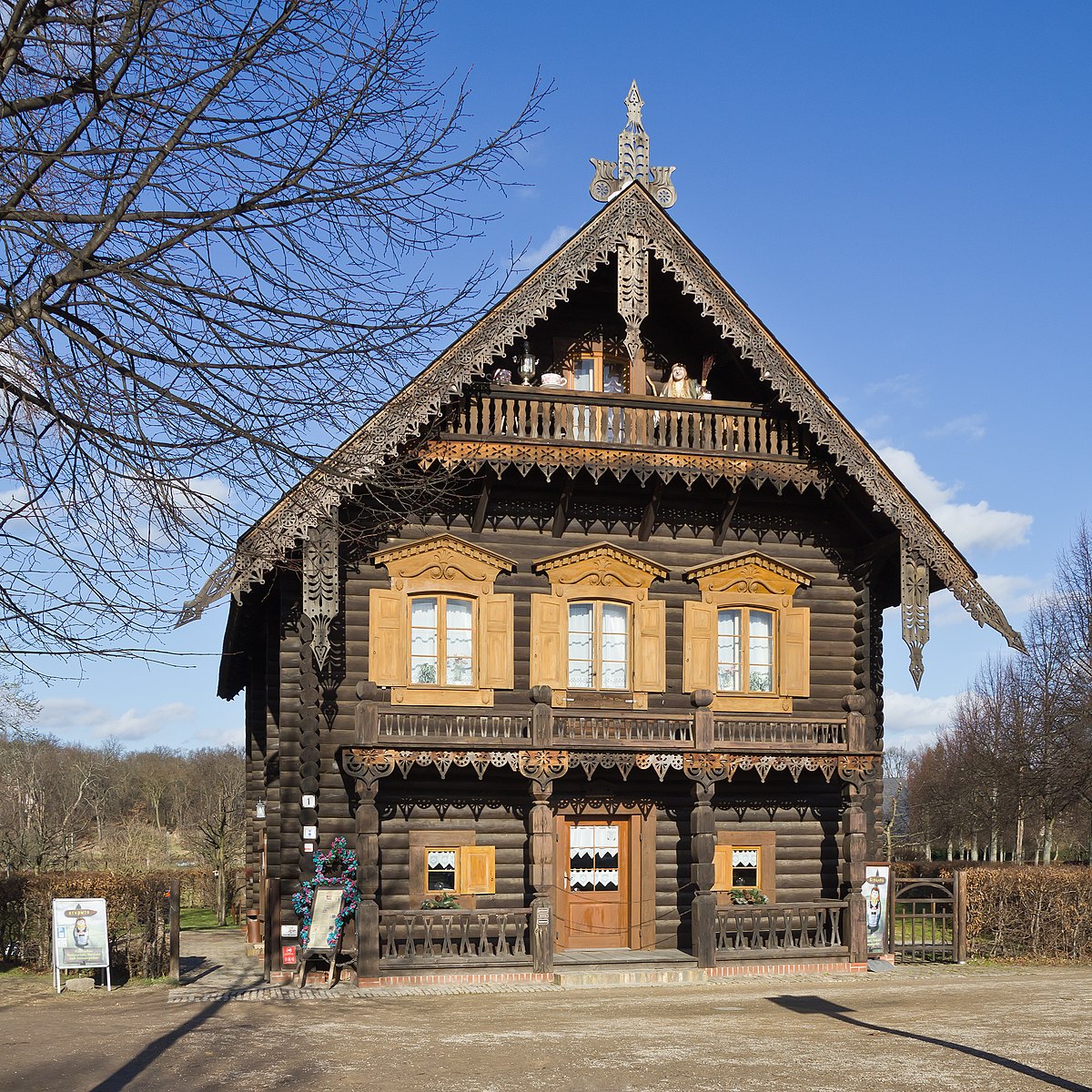
Located in the picturesque city of Potsdam, Germany, Alexandrowka is an intriguing architectural ensemble that reflects a unique blend of Russian and …

Alte Burg Penzlin
📍 Brandenburg, Germany
Alte Burg Penzlin, a captivating castle located in the quaint town of Penzlin, Germany, serves as a remarkable example of medieval architecture and …

Alte Dorfkirche Röxe
📍 Brandenburg, Germany
The Alte Dorfkirche Röxe stands as a poignant symbol of architectural and cultural history in the Stendal region of Germany. This church building, …
More Museums

Abbey and Altenmünster of Lorsch
📍 Baden-Württemberg, Germany
The Abbey and Altenmünster of Lorsch is a UNESCO World Heritage site located in the charming town of Lorsch, Germany. This significant cultural …
Abenteuermuseum
📍 Rhineland-Palatinate, Germany
The Abenteuermuseum, located in Germany, invites visitors to explore the wonders of adventure through its unique exhibits and engaging experiences. …

Abwasser- und Sielmuseum
📍 Hamburg, Germany
The Abwasser- und Sielmuseum, located in the heart of Hamburg-Mitte, offers a unique glimpse into the city’s historical infrastructure concerning …

Academy of Arts, Berlin
📍 Berlin, Germany
The Academy of Arts in Berlin is not just a museum; it is a prominent national institution dedicated to the advancement of the arts in Germany. …

Ackerbürgermuseum Haus Leck
📍 Hesse, Germany
Ackerbürgermuseum Haus Leck is a culturally significant museum located in Germany’s Grebenstein region, dedicated to preserving and showcasing the …

Active Museum Spiegelgasse
📍 Hesse, Germany
Active Museum Spiegelgasse is a vital institution dedicated to preserving and exploring the German-Jewish history of Wiesbaden, Germany. Located in …