Gedenkstätte Bernburg
Overview
Gedenkstätte Bernburg, a memorial located in the town of Bernburg, Germany, serves as a poignant reminder of the atrocities of the past. This memorial is dedicated to the victims of the Nazis’ euthanasia program, which took place during the dark years of the Third Reich. The site carries profound historical significance, as it reflects not only the individual tragedies endured by countless lives but also the broader implications of state-sanctioned violence.
Situated in a region with a complex history, Gedenkstätte Bernburg is more than just a memorial—it’s a place of reflection, remembrance, and education. Visitors to the site can expect to engage with powerful narratives that challenge them to confront difficult truths about humanity, suffering, and the consequences of oppression. The memorial invites individuals to honor the memories of those who suffered while fostering a deeper understanding of the historical context surrounding these events.
In an era where the lessons of history are ever more critical, Gedenkstätte Bernburg stands as a vital space for reflection and learning. It promises an opportunity to engage with past horrors in a meaningful way, encouraging visitors to reflect on their own roles in society and the importance of remembrance and understanding.
History and Significance
The history of Gedenkstätte Bernburg is rooted in a period marked by extreme human rights violations. This site was once part of a broader network of institutions where the Nazis implemented their euthanasia program. It is crucial to recognize the cultural importance of this memorial, as it serves to educate the public about the systematic persecution and murder of individuals deemed “unworthy of life” during the Third Reich.
The euthanasia program, which began in the 1930s, targeted individuals with disabilities, mental illnesses, and other conditions that the regime considered undesirable. The Bernburg facility was one of several locations where this program was executed, leading to the deaths of thousands. The memorial stands as a testament to the lives lost and a reminder of the moral failures of society during this time.
Beyond its historical context, Gedenkstätte Bernburg plays a critical role in contemporary discussions about human rights and dignity. By preserving the memory of the victims, the memorial serves as an educational resource and a platform for dialogue. It invites visitors to confront uncomfortable truths about the past while also promoting awareness of ongoing issues related to human rights and the treatment of marginalized communities.
The significance of Gedenkstätte Bernburg extends beyond its physical structure; it embodies a collective commitment to never forget the lessons learned from history. By engaging with this memorial, visitors contribute to a broader cultural narrative that seeks to ensure such atrocities are never repeated.
Architecture and Features
The architectural design of Gedenkstätte Bernburg reflects its somber purpose. The memorial is characterized by a minimalist aesthetic that encourages contemplation and reflection. The structure itself has been thoughtfully designed to foster a sense of solemnity, with spaces that invite visitors to pause and consider the weight of the history that unfolded here.
Notable features of the memorial include informational exhibits that provide context about the euthanasia program and the experiences of its victims. These exhibits often incorporate photographs, personal stories, and historical documents, creating an immersive experience for those who visit. The layout of the memorial is intended to guide visitors through a narrative journey, allowing them to connect emotionally with the material presented.
Additionally, the design of the memorial incorporates open spaces that symbolize the loss of life and the absence left in the wake of these tragedies. The use of natural light creates a reflective atmosphere, enhancing the emotional impact of the site. Visitors can expect to engage with not only the physical aspects of the memorial but also the profound stories that it seeks to tell.
Overall, Gedenkstätte Bernburg’s architecture and features work together to create a powerful space for remembrance, reflection, and education. The thoughtful design serves to reinforce the memorial’s significance while ensuring that the stories of the victims are honored appropriately.
Visiting Information
Visiting Gedenkstätte Bernburg offers an opportunity to engage with a vital part of history. To make the most of your experience, it is essential to plan your visit accordingly.
Transport options to the memorial are varied. Depending on where you are coming from, you can access Bernburg by train or car. Public transportation is a convenient option, with local services connecting to the town. Once in Bernburg, the memorial is accessible via a short walk from the main transport hubs.
Check the official website for current information regarding hours and entry prices. It is advisable to allocate sufficient time for your visit, as the memorial encourages visitors to take their time with the exhibits and reflect on the narratives presented. A visit typically lasts between one to two hours, allowing ample opportunity to engage with the material thoughtfully.
The best times to visit Gedenkstätte Bernburg are generally during weekdays, as weekends may attract larger crowds. Early mornings or late afternoons can also provide a quieter experience. Regardless of when you choose to visit, it’s important to approach the site with the respect it deserves, considering the sensitive nature of the history it represents.
Nearby Attractions
While in the Bernburg area, there are several attractions worth exploring that complement a visit to Gedenkstätte Bernburg:
Bernburg Castle: This historic castle offers a glimpse into the region’s architectural heritage and features a museum that highlights the history of Bernburg.
St. Aegidius Church: A beautiful church in the town center, known for its stunning architecture and historical significance.
The Saale River: A short distance from the memorial, this picturesque river provides opportunities for leisurely walks along its banks.
The Botanical Garden: A peaceful place to explore nature and enjoy the tranquility of various plant species.
The Historical Museum: Located in Bernburg, this museum showcases the town’s rich history, including exhibits about its cultural development.
These nearby attractions offer additional insights into the region’s history and culture, enhancing the overall experience of visiting Gedenkstätte Bernburg.
Insider Tips
When visiting Gedenkstätte Bernburg, consider the following insider tips to enhance your experience:
Photography Tips: While the memorial encourages personal reflection, be mindful of the emotional weight of the site when taking photographs. Capturing the essence of the memorial can be powerful, but ensure that your photography respects the atmosphere of remembrance.
Crowd Avoidance: To enjoy a more intimate experience, plan your visit during weekdays or early morning hours. This will allow you to engage with the exhibits without the distractions of larger crowds.
Practical Information
Before heading to Gedenkstätte Bernburg, here are some practical considerations:
What to Bring: Comfortable walking shoes are recommended, as you may spend time exploring the memorial grounds. A notebook or journal can be useful for jotting down reflections or thoughts triggered by the exhibits.
Seasonal Considerations: The memorial is open year-round, but be aware of weather conditions if you plan to explore the outdoor areas. Dressing in layers is advisable, especially during colder months.
Frequently Asked Questions
How long should I spend visiting?
A typical visit lasts between one to two hours, allowing ample time to read exhibits and reflect on the memorial’s significance.
Is photography allowed?
While photography is generally permitted, it is important to be respectful of the solemnity of the site.
Are there guided tours?
Check the official website for information on guided tours, which may provide deeper insights into the memorial’s history.
What’s the best time to visit?
Weekdays and early mornings are often less crowded, allowing for a more contemplative experience.
Is it wheelchair accessible?
The memorial is designed to accommodate various accessibility needs. Check the official website for specific details.
Can I buy tickets online?
Check the official website for current information on ticket purchases and any available online options.
Are there restrooms and cafes?
Facilities may be available on-site; check the official website for the most current details.
What should I wear?
Comfortable attire is recommended, considering the reflective nature of the visit and the potential for extended walking.
More in Brandenburg
Agnetenkloster
📍 Brandenburg, Germany
Agnetenkloster, a former monastery located in the heart of Magdeburg, Germany, invites visitors to explore its serene ambiance and historical …

Agroneum
📍 Brandenburg, Germany
Agroneum is a museum located in the serene landscape of Alt Schwerin, Germany. This establishment serves as a vibrant hub for those interested in the …

Alexander Nevsky Memorial Church
📍 Brandenburg, Germany
The Alexander Nevsky Memorial Church in Potsdam, Germany, offers visitors a unique glimpse into the city’s cultural and religious heritage. This …
Alexandrowka
📍 Brandenburg, Germany
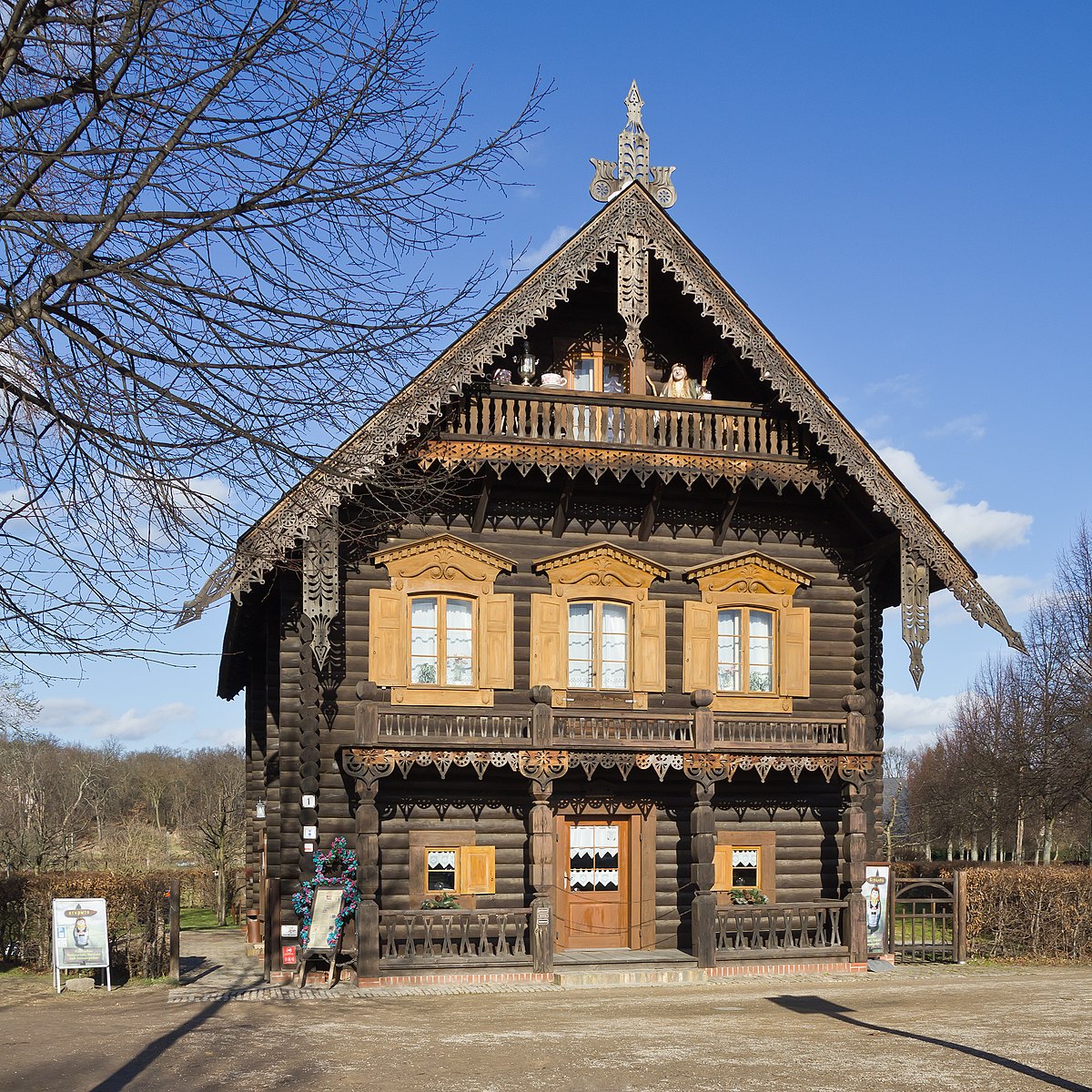
Located in the picturesque city of Potsdam, Germany, Alexandrowka is an intriguing architectural ensemble that reflects a unique blend of Russian and …

Alte Burg Penzlin
📍 Brandenburg, Germany
Alte Burg Penzlin, a captivating castle located in the quaint town of Penzlin, Germany, serves as a remarkable example of medieval architecture and …

Alte Dorfkirche Röxe
📍 Brandenburg, Germany
The Alte Dorfkirche Röxe stands as a poignant symbol of architectural and cultural history in the Stendal region of Germany. This church building, …
More Memorials

2 Straßenbau- Gedenksteine
📍 Schleswig-Holstein, Germany
In the picturesque region of Bösdorf, Germany, two memorial stones commemorate a pivotal moment in the history of infrastructure development. Known as …

Albrecht-Dürer-Denkmal
📍 Bavaria, Germany
In the heart of Nuremberg, Germany, the Albrecht-Dürer-Denkmal stands as a tribute to one of the most influential figures in Northern Renaissance art. …

Alexiuskreuz
📍 Lower Saxony, Germany
A visit to Alexiuskreuz in Mägdesprung, Harzgerode, invites exploration of a poignant memorial that honors significant historical events and figures. …

Alsdorfer Bergmannskreuz
📍 North Rhine-Westphalia, Germany
The Alsdorfer Bergmannskreuz memorial, located in Simmerath, Germany, serves as a poignant reminder of the region’s mining heritage and the cultural …
Alte Pathologie Wehnen
📍 Lower Saxony, Germany
In the tranquil landscape of Bad Zwischenahn, Germany, the Alte Pathologie Wehnen serves as a solemn memorial dedicated to the victims of the Nazi …

Arbeitserziehungslager Nordmark
📍 Schleswig-Holstein, Germany
Arbeitserziehungslager Nordmark, located on the outskirts of Kiel, Germany, serves as a solemn memorial to the atrocities committed during the Nazi …