
Gebauer Höfe
Overview
Located in the vibrant district of Charlottenburg-Wilmersdorf, Gebauer Höfe is an architectural ensemble that showcases a collection of historic factory buildings alongside the River Spree in Berlin. These structures reflect the industrial heritage of the city, offering visitors a glimpse into the past while highlighting Berlin’s dynamic evolution. The site serves not only as a historical landmark but also as a cultural hub, where art and commerce intersect. With its unique architecture and rich history, Gebauer Höfe invites exploration and appreciation, making it a noteworthy stop for those interested in Berlin’s architectural and industrial narrative.
History and Significance
The history of Gebauer Höfe is intricately linked to the development of Berlin as a center of industry and commerce. Established during a period of significant urban growth, the site originally served as a manufacturing complex, housing various industrial activities. This architectural ensemble is representative of the shift from traditional craftsmanship to modern industrial production, marking a pivotal moment in the city’s economic development.
As Berlin transformed throughout the decades, so too did Gebauer Höfe. The buildings not only reflect the architectural styles of their time but also embody the social changes that accompanied the industrialization of Berlin. The industrial heritage of the site contributes to understanding the broader context of Berlin’s history, emphasizing the importance of industry in shaping the city’s identity.
Today, Gebauer Höfe stands as a notable example of adaptive reuse in architecture. Many of the original structures have been preserved and repurposed for contemporary use, which speaks to the ongoing dialogue between the past and the present. By maintaining these historic buildings, the ensemble not only honors its origins but also provides a platform for modern creativity, arts, and community engagement. This blend of history and modernity makes Gebauer Höfe a significant cultural landmark in Berlin.
Architecture and Features
The architectural ensemble of Gebauer Höfe showcases a variety of styles that reflect the industrial character of the late 19th and early 20th centuries. The buildings are characterized by their robust brick façades, large windows, and functional designs, which were practical for manufacturing purposes. This industrial aesthetic is complemented by various architectural elements, including arches, decorative brickwork, and the distinct shapes of the structures.
One notable feature of Gebauer Höfe is its layout, which creates a cohesive yet diverse environment. The buildings are arranged in a way that fosters interaction and connectivity, encouraging visitors to explore the various spaces within the ensemble. The use of open courtyards and communal areas allows for a vibrant atmosphere, where art installations, markets, and cultural events can take place.
The complex reflects the historical context in which it was built, showcasing the evolution of industrial architecture in Berlin. As you walk through the site, you’ll encounter remnants of its industrial past, alongside modern interventions that enhance its functionality and appeal. This blend of old and new creates a dynamic space that is both visually interesting and historically significant.
Visiting Information
Getting to Gebauer Höfe is relatively straightforward, with several public transportation options available in the vicinity. Visitors can access the site via local bus and tram services, which connect to major transit lines throughout Berlin. For those driving, parking may be limited, so utilizing public transport is a convenient alternative.
When planning a visit, check the official website for current information regarding hours and any potential entry fees. Typically, you can expect to spend a couple of hours exploring the various buildings and their surroundings. The best times to visit are during the weekdays when the site is less crowded, allowing for a more intimate experience.
Expect to find a blend of cultural activities, art exhibitions, and possibly local markets, especially during weekends. The atmosphere is lively, making it an excellent spot for both casual visitors and those seeking a deeper engagement with Berlin’s industrial heritage.
Nearby Attractions
Charlottenburg Palace: A short distance from Gebauer Höfe, this historic palace offers a glimpse into royal life with its stunning gardens and opulent interiors.
Berggruen Museum: Located nearby, this museum houses an impressive collection of modern art, featuring works by Picasso, Klee, and other luminaries.
Sophie-Charlotte-Platz: A vibrant public square that serves as a hub for local activities, dining, and shopping, perfect for immersing yourself in the local culture.
St. Canisius Church: This striking church is worth a visit for its unique architecture and serene atmosphere, providing a peaceful contrast to the bustling city.
Spreeufer: The riverbank along the Spree offers scenic walks and picturesque views, ideal for leisurely strolls or enjoying a quiet moment by the water.
Insider Tips
For those looking to capture the essence of Gebauer Höfe through photography, early mornings or late afternoons are ideal times to visit. The natural light during these hours can enhance the architectural features and create captivating shadows. Additionally, weekdays are generally less crowded, allowing for unobstructed shots of the buildings and surroundings.
To avoid larger crowds, plan your visit outside of peak tourist seasons. Late spring and early autumn often offer pleasant weather and fewer visitors, allowing for a more enjoyable exploration of the site.
Practical Information
When visiting Gebauer Höfe, it’s advisable to wear comfortable shoes, as you’ll likely be walking around the complex and its surroundings. Depending on the season, dressing in layers can help you adapt to changing temperatures, particularly if you plan to spend time outdoors.
Bringing a camera is recommended for capturing the unique architectural details and vibrant atmosphere of the site. While there are various dining options nearby, you may want to consider bringing snacks or water, especially if you plan to explore for an extended period.
Frequently Asked Questions
How long should I spend visiting?
Visitors typically spend around 2 to 3 hours at Gebauer Höfe, allowing ample time to explore the buildings and engage with any exhibitions or events.
Is photography allowed?
Yes, photography is generally permitted throughout the site, making it an excellent opportunity to capture the unique architectural features.
Are there guided tours?
Check the official website for information regarding guided tours, which may be available to provide deeper insights into the history and significance of the ensemble.
What’s the best time to visit?
Weekdays, particularly in late spring or early autumn, tend to be less crowded and offer a more relaxed experience.
Is it wheelchair accessible?
The accessibility of the site can vary, so it’s best to check the official website for specific details regarding wheelchair access and available facilities.
Can I buy tickets online?
For the most accurate information regarding ticket purchases, check the official website, as options may vary.
Are there restrooms and cafes?
Facilities may be available on-site or nearby, but it’s advisable to check the official website for the most current information.
What should I wear?
Comfortable clothing and shoes are recommended, as you will likely be walking around the complex and exploring its surroundings. Dressing in layers can help accommodate varying temperatures.
More in Berlin

144., 176. und 184. Gemeindeschule
📍 Berlin, Germany
The 144., 176. und 184. Gemeindeschule, an architectural ensemble located in the vibrant city of Berlin, stands as a noteworthy example of educational …

Academy of Arts (Hanseatenweg)
📍 Berlin, Germany
The Academy of Arts (Hanseatenweg) stands as an emblem of Berlin’s vibrant cultural landscape, located in the historic Hansaviertel district. Renowned …

Academy of Arts, Berlin
📍 Berlin, Germany
The Academy of Arts in Berlin is not just a museum; it is a prominent national institution dedicated to the advancement of the arts in Germany. …

Academy of the Konrad-Adenauer-Stiftung
📍 Berlin, Germany
The Academy of the Konrad-Adenauer-Stiftung, located in the heart of Berlin, is not just a foundation but a hub of intellectual discourse and …

ACUD
📍 Berlin, Germany
Located in the heart of Berlin’s Bezirk Mitte, ACUD serves as a vibrant cultural center and cinema, showcasing an array of films and events that …

Admiralspalast
📍 Berlin, Germany
Admiralspalast is a prominent theatre and event venue located in the heart of Berlin, Germany. This architectural gem serves as a cultural hub, …
More Architectural Ensembles
144., 176. und 184. Gemeindeschule
📍 Berlin, Germany
The 144., 176. und 184. Gemeindeschule, an architectural ensemble located in the vibrant city of Berlin, stands as a noteworthy example of educational …

Adelheidstraße 3–7, 9–12, 12a, 14, 15, 22–31, Amelungstraße 1, Friedrich-Ebert-Platz
📍 Lower Saxony, Germany
In the heart of Quedlinburg, Germany, lies a captivating architectural ensemble that reflects the town’s historical significance and cultural …

Aegidiimarkt
📍 Lower Saxony, Germany
Aegidiimarkt is a captivating architectural ensemble located in the heart of Münster, Germany. This vibrant square not only serves as a hub for local …
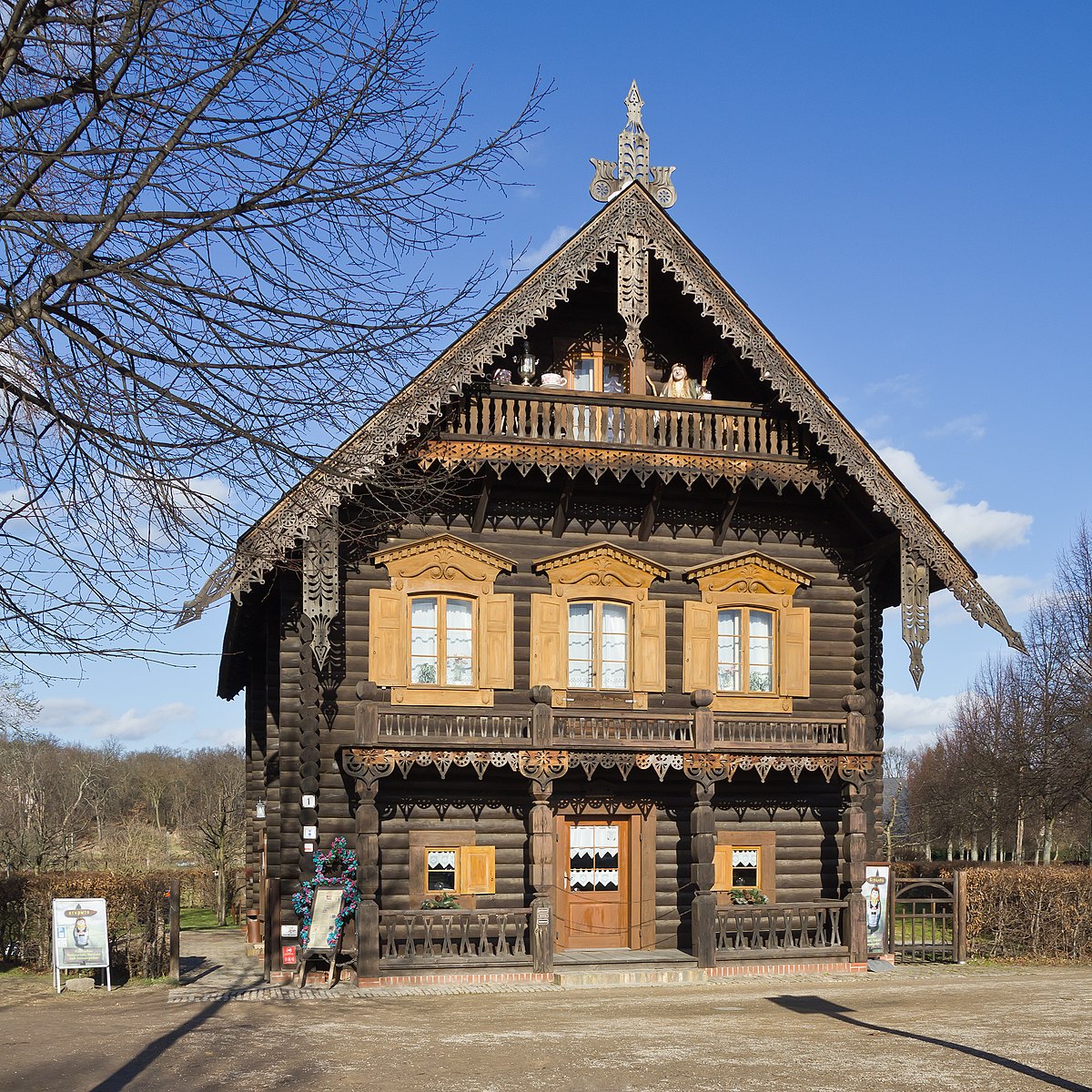
Alexandrowka
📍 Brandenburg, Germany
Located in the picturesque city of Potsdam, Germany, Alexandrowka is an intriguing architectural ensemble that reflects a unique blend of Russian and …

Alhauser Hammer
📍 North Rhine-Westphalia, Germany
Alhauser Hammer is a remarkable architectural ensemble located in Ennepetal, Germany, known for its historical significance as a water-driven hammer …

Alsdorfer Ölmühle
📍 North Rhine-Westphalia, Germany
The Alsdorfer Ölmühle, an architectural ensemble located in the heart of Alsdorf, Germany, is a remarkable example of a traditional watermill that …