
Gebäude und Gelände des KZ Neuengamme
Overview
The Gebäude und Gelände des KZ Neuengamme serves as a haunting reminder of the past, encapsulating the grim history of the Nazi concentration camp system in Germany. Located in the Bergedorf district of Hamburg, this architectural ensemble presents a powerful narrative about the atrocities committed during World War II, as well as the resilience of the human spirit in the face of unimaginable suffering. Visitors to this site can engage deeply with the historical context and reflect on the lessons learned from this somber chapter in history.
As you approach the site, the starkness of the buildings and the layout of the grounds evoke a palpable sense of history. The area speaks volumes about the lives of those who were imprisoned here, offering a platform for education and remembrance. This site not only serves as a memorial to the victims but also as a place for critical reflection on the consequences of hatred and intolerance.
The architectural ensemble is a significant cultural landmark, attracting visitors from around the world who seek to understand the complexities of this dark period and to honor those who suffered. The experience promises to be both educational and moving, engaging visitors with the narrative of resilience and the ongoing journey towards human rights.
History and Significance
The history of KZ Neuengamme is intertwined with the broader context of the Nazi regime’s oppressive machinery. Established in the early 1930s, the camp was initially utilized for the imprisonment of political dissidents and later expanded to include a diverse range of victims, including Jews, Roma, homosexuals, and others deemed undesirable by the Nazi ideology. Throughout its operation, Neuengamme became a site of forced labor, where countless individuals endured inhumane conditions while contributing to the war effort through grueling work.
The significance of the site extends beyond its operational years. After the war, it served as a location for the denazification process and later became a memorial site, dedicated to preserving the memory of the victims and educating future generations about the horrors of totalitarian regimes. This transformation underscores the importance of remembrance and the role of historical sites in fostering awareness about human rights and dignity.
Neuengamme’s legacy is one of both tragedy and resilience. The stories of survival, resistance, and the struggle for dignity amid suffering are integral to its history. The site encourages critical engagement with the past, prompting visitors to reflect on the relevance of these events in today’s world and the ongoing fight against oppression in all its forms.
Architecture and Features
The architectural ensemble of Gebäude und Gelände des KZ Neuengamme comprises various structures that reflect the utilitarian design of concentration camps. The layout of the camp, with its barracks, administrative buildings, and perimeter walls, reveals the harsh realities faced by its inmates. The buildings are characterized by their stark, functional design, with few embellishments, emphasizing the grim purpose they served.
Notable features of the site include the remnants of the barracks, which provide insight into the living conditions of the prisoners. These structures are poignant reminders of the overcrowding and deprivation that characterized life in the camp. The administration building, with its austere architecture, stands as a symbol of the bureaucratic machinery that facilitated the camp’s operation.
Throughout the grounds, visitors will find memorials and interpretive installations that contextualize the history of the site. These elements not only serve to honor the victims but also foster a deeper understanding of the systemic nature of the atrocities committed. The overall composition of the site, with its combination of historical buildings and contemporary memorials, creates a powerful space for reflection.
Visiting Information
Visiting the Gebäude und Gelände des KZ Neuengamme offers an opportunity for profound engagement with history. To reach the site, travelers can utilize various means of transport, including public transportation options that connect to the Bergedorf region. It is advisable to check the official website for current information regarding transport options and directions.
Upon arrival, visitors can expect a thoughtful and respectful atmosphere. The site features informative displays that guide guests through the history and significance of the camp. It is recommended to allocate sufficient time for the visit, as the profound narratives and memorials deserve thoughtful contemplation. Generally, a visit may take several hours, depending on one’s level of engagement with the exhibits.
For those planning their visit, consider checking the official website for hours of operation and any potential entrance fees. The site is likely to experience varying levels of attendance, so visiting during weekdays or outside of peak tourist seasons may enhance the experience by allowing for quieter reflection.
Nearby Attractions
While the focus of a visit may be the somber history of KZ Neuengamme, the surrounding area offers additional attractions that enrich the experience. Nearby, visitors can explore:
Bergedorf Castle: A historical site that dates back to the 14th century, this castle features beautiful gardens and informative exhibitions about the region’s history.
The Hamburg-Bergedorf Botanical Garden: A serene location with diverse plant species, providing a peaceful contrast to the historical weight of the nearby camp.
The Museum für Bergedorf und die Vierlande: This local museum provides insights into the area’s culture and history, including exhibitions that relate to the region’s development over time.
The Elbe River: A scenic spot for a leisurely stroll or a picnic, offering a chance to appreciate the natural beauty of the region.
The Old Country (Das Alte Land): A short drive away, this picturesque area is known for its apple orchards and charming villages, perfect for a day trip.
Insider Tips
To enhance your visit to Gebäude und Gelände des KZ Neuengamme, consider the following insider tips:
Photography: While photography may be permitted in certain areas, it’s important to be respectful of the solemn nature of the site. Always check regulations regarding photography and avoid capturing images of memorials in a way that could be considered disrespectful.
Crowd Avoidance: If possible, plan your visit during weekdays or early in the morning when the site is less likely to be crowded. This allows for a more personal and reflective experience.
Engagement: Take your time to engage with the exhibits and read the information provided. The stories and historical context are crucial to understanding the significance of the site.
Practical Information
When preparing for your visit to Gebäude und Gelände des KZ Neuengamme, consider bringing the following:
- Comfortable shoes: The site involves walking, and comfortable footwear will enhance your experience.
- Weather-appropriate clothing: Depending on the season, dress appropriately for outdoor conditions, as part of the site is open-air.
- Water and snacks: While there may be facilities nearby, having water and light snacks can be convenient during your visit.
Seasonal considerations should also be taken into account, as weather conditions can vary significantly. Check the official website for updates on any seasonal events or changes in operating hours that may affect your visit.
Frequently Asked Questions
How long should I spend visiting?
Visitors typically spend several hours at the site, allowing time to absorb the history and engage with the exhibits.
Is photography allowed?
Photography policies may vary, so it’s best to check the regulations upon arrival. Always prioritize respect for the memorial aspects of the site.
Are there guided tours?
Guided tours may be available, offering deeper insights into the history of the camp. Check the official website for current offerings.
What’s the best time to visit?
Weekdays or early mornings tend to be less crowded, providing a more contemplative experience.
Is it wheelchair accessible?
Accessibility may vary across different areas of the site. It is advisable to check the official website for specific information regarding wheelchair access.
Can I buy tickets online?
Ticket purchasing options may be available online. Check the official website for the latest information on ticket sales.
Are there restrooms and cafes?
Facilities may be available on site, but it’s wise to check the official website for current details on amenities.
What should I wear?
Dress comfortably and appropriately for the weather, keeping in mind that some areas of the site are outdoors.
More in Hamburg

Abaton
📍 Hamburg, Germany
Abaton is a prominent movie theater located in the vibrant Eimsbüttel district of Hamburg, Germany. This cinema is not only a hub for film enthusiasts …

Abwasser- und Sielmuseum
📍 Hamburg, Germany
The Abwasser- und Sielmuseum, located in the heart of Hamburg-Mitte, offers a unique glimpse into the city’s historical infrastructure concerning …

Adolphsplatz
📍 Hamburg, Germany
Adolphsplatz is an intriguing square located in the heart of Hamburg-Mitte, Germany’s vibrant and historic urban center. This urban space serves as a …

Adventskirche
📍 Hamburg, Germany
Adventskirche, a notable church building located in the Eimsbüttel district of Hamburg, Germany, stands out not only for its architectural features …
Afghan Museum
📍 Hamburg, Germany
The Afghan Museum in Hamburg-Mitte offers a unique glimpse into the culture and history of Afghanistan, presenting visitors with a curated experience …

Ahrensburg Castle
📍 Hamburg, Germany
Ahrensburg Castle, a striking château located in the charming town of Ahrensburg, Germany, serves as a captivating representation of the region’s …
More Architectural Ensembles

144., 176. und 184. Gemeindeschule
📍 Berlin, Germany
The 144., 176. und 184. Gemeindeschule, an architectural ensemble located in the vibrant city of Berlin, stands as a noteworthy example of educational …

Adelheidstraße 3–7, 9–12, 12a, 14, 15, 22–31, Amelungstraße 1, Friedrich-Ebert-Platz
📍 Lower Saxony, Germany
In the heart of Quedlinburg, Germany, lies a captivating architectural ensemble that reflects the town’s historical significance and cultural …

Aegidiimarkt
📍 Lower Saxony, Germany
Aegidiimarkt is a captivating architectural ensemble located in the heart of Münster, Germany. This vibrant square not only serves as a hub for local …
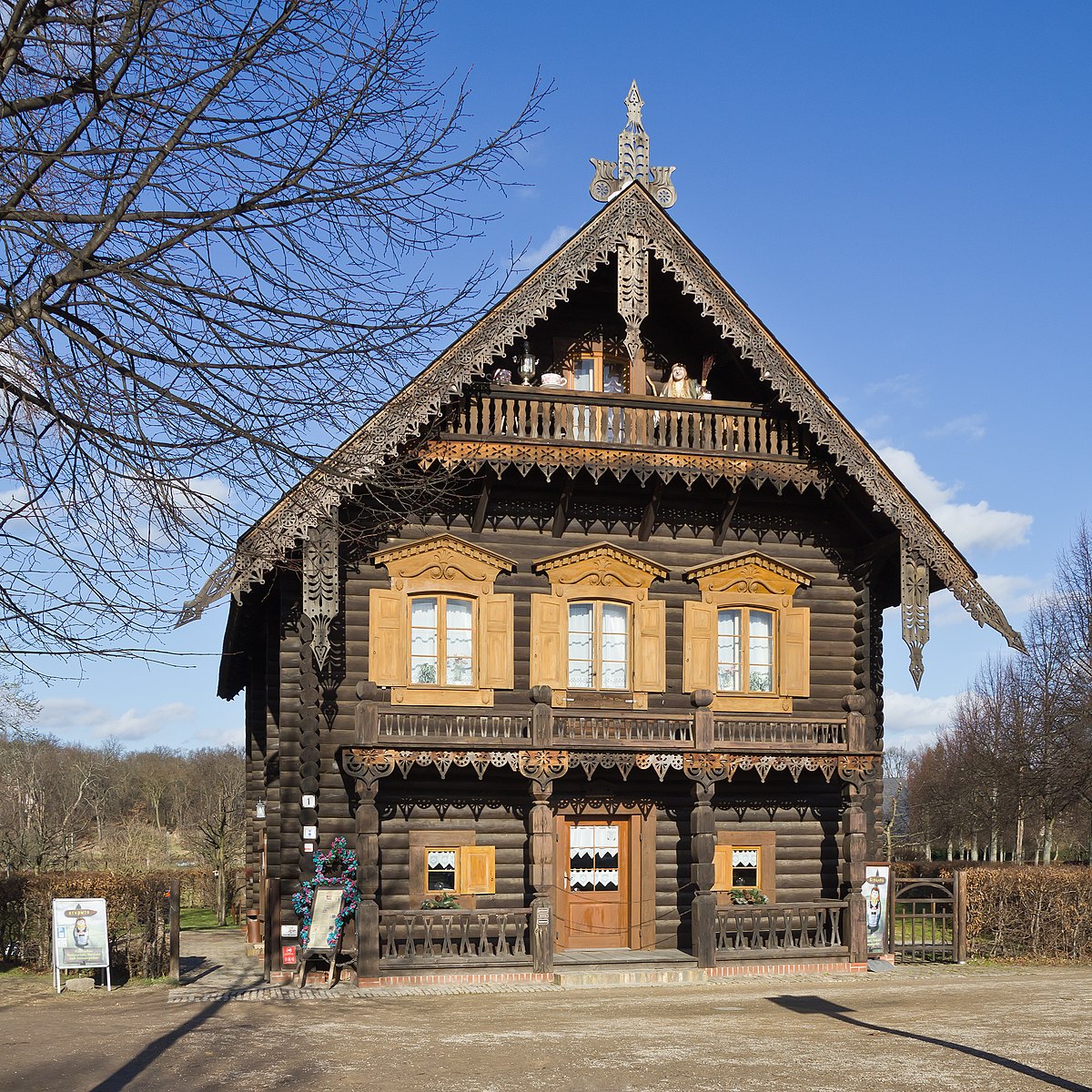
Alexandrowka
📍 Brandenburg, Germany
Located in the picturesque city of Potsdam, Germany, Alexandrowka is an intriguing architectural ensemble that reflects a unique blend of Russian and …

Alhauser Hammer
📍 North Rhine-Westphalia, Germany
Alhauser Hammer is a remarkable architectural ensemble located in Ennepetal, Germany, known for its historical significance as a water-driven hammer …

Alsdorfer Ölmühle
📍 North Rhine-Westphalia, Germany
The Alsdorfer Ölmühle, an architectural ensemble located in the heart of Alsdorf, Germany, is a remarkable example of a traditional watermill that …