GEA Westfalia Separator
Overview
The GEA Westfalia Separator, located in Oelde, Germany, is a pivotal factory in the realm of industrial processing. This facility plays a significant role within the broader GEA Group, a global leader in the manufacture of equipment and solutions for the food processing, dairy, and beverage industries. With its strong emphasis on innovation and efficiency, GEA Westfalia Separator exemplifies the intersection of technology and manufacturing, contributing to the advancement of sustainable practices in production.
As you explore this site, you step into a world where engineering and technology meet, reflecting the industrial heritage of Germany. The region of Oelde, known for its industrial history, provides a fitting backdrop for this factory, which stands as a symbol of progress and modern manufacturing techniques. Visitors can gain insight into the processes that drive modern industry while appreciating the significance of such facilities in the global supply chain.
History and Significance
GEA Westfalia Separator has a storied history that intertwines with the evolution of industrial manufacturing in Germany. Although specific dates are not available, the factory’s establishment reflects a broader trend towards mechanization and industrial efficiency that characterized the late 19th and 20th centuries. As part of the GEA Group, which has roots dating back to the early 20th century, the factory has contributed significantly to advancements in separation technologies.
The cultural importance of GEA Westfalia Separator lies not just in its contribution to manufacturing but also in its role in driving innovation in the industry. The company has been instrumental in developing energy-efficient processes and technologies that reduce waste and enhance productivity. This commitment to sustainability aligns with global trends towards greener production practices, making the factory a relevant case study for industrial heritage enthusiasts and those interested in the future of manufacturing.
The factory’s significance is further underscored by its contribution to the local economy, providing jobs and fostering skills development within the community. As industries continue to evolve, the GEA Westfalia Separator stands as a vital player in shaping the future of manufacturing, ensuring that the lessons of the past inform sustainable practices for the future.
Architecture and Features
The GEA Westfalia Separator is a modern industrial facility that reflects the principles of functionality and efficiency typical of contemporary factory design. While specific architectural details are not provided, the factory is equipped with state-of-the-art technology that supports its operations in separation processes.
Among its notable features, the factory integrates advanced machinery designed for separating liquids from solids, which is essential in various industries such as food and beverage processing. The layout of the factory is likely optimized for production flow, ensuring that processes are streamlined and efficient. This functional design not only facilitates productivity but also adheres to safety and environmental standards.
Visitors to the GEA Westfalia Separator can observe the factory’s operational aspects, which may include various processing lines and innovative technologies that are at the forefront of the industry. The emphasis on modern engineering practices and sustainable manufacturing solutions is evident throughout the facility.
Visiting Information
Visiting GEA Westfalia Separator can be an enlightening experience for those interested in industrial processes and technology. The factory is located at coordinates 51.829722222, 8.132777777, easily accessible by various means of transportation. For the most accurate information regarding transport options, it is advisable to check local travel resources or the official website.
While specific hours and ticket prices are not detailed here, potential visitors should verify these aspects on the official website before planning their visit. Expect to spend a few hours at the site to fully appreciate the operations and learn about the technologies employed.
The best times to visit may vary, so checking the official website for current information on special events or guided tours can enhance the experience. These tours often provide deeper insights into the factory’s operations and its role within the GEA Group.
Nearby Attractions
While visiting GEA Westfalia Separator, there are several nearby attractions that offer additional insights into the region’s industrial heritage and cultural offerings:
- Oelde Museum: A local museum dedicated to the history and culture of Oelde, providing context to the industrial landscape.
- St. John’s Church: An architectural highlight in Oelde, this church is known for its historical significance and beautiful design.
- The Westphalian Industrial Museum: Located nearby, this museum showcases the region’s industrial past, offering exhibits on various manufacturing practices.
- Local parks and recreation areas: Perfect for a leisurely stroll or a picnic, these spaces provide a break from industrial exploration and a chance to enjoy the natural surroundings.
Insider Tips
For those planning a visit to GEA Westfalia Separator, consider the following tips to enhance your experience:
- Photography: If you are interested in capturing images, check the photography policy upon arrival, as some areas may have restrictions.
- Avoiding Crowds: Plan your visit during weekdays if possible, as weekends might attract more visitors. Early morning hours can also be less crowded, allowing for a more personal experience.
Practical Information
When preparing for your visit to GEA Westfalia Separator, consider bringing the following items:
- Comfortable footwear: As you may be walking through various factory areas, comfortable shoes are a must.
- Weather-appropriate clothing: Check the forecast and dress accordingly, as parts of the factory may be cooler or warmer than expected.
- Notepad or recording device: If you’re keen on learning and documenting your experience, these tools can be helpful.
Be mindful of seasonal considerations, as factory operations may vary throughout the year. Check the official website for any seasonal events or changes in operations that could affect your visit.
Frequently Asked Questions
How long should I spend visiting?
A visit to GEA Westfalia Separator typically requires a few hours to fully explore the facility and understand its operations.
Is photography allowed?
Photography policies may vary, so it’s best to check for any restrictions upon arrival.
Are there guided tours?
Guided tours may be available, providing valuable insights into the factory’s operations and technology.
What’s the best time to visit?
Weekdays and early mornings are often less crowded times to visit. Always check the official website for any special events.
Is it wheelchair accessible?
Accessibility features may be present, but it’s advisable to confirm specific details on the official website.
Can I buy tickets online?
Check the official website for information on ticket purchasing options and availability.
Are there restrooms and cafes?
Facilities for restrooms are typically available; however, for cafes or dining options, check the official website for current offerings.
What should I wear?
Dress comfortably and appropriately for the weather, considering that factory environments may differ in temperature.
More in Lower Saxony

2000 Jahre Christentum
📍 Lower Saxony, Germany
The “2000 Jahre Christentum,” a prominent statue located in Brunswick, Germany, serves as a significant cultural landmark that reflects the rich …
A. Heucke
📍 Lower Saxony, Germany
A. Heucke, located in the historic town of Gatersleben in Germany’s Seeland region, represents a significant chapter in the story of industrial …

Aalto Theatre
📍 Lower Saxony, Germany
The Aalto Theatre in Essen, Germany, is a prominent cultural landmark that attracts both local and international visitors. Renowned for its …

Aasee
📍 Lower Saxony, Germany
Aasee is a picturesque lake located in the town of Ibbenbüren, Germany, serving as a popular destination for both locals and visitors alike. This …
Abgunst Mine
📍 Lower Saxony, Germany
Abgunst Mine, located in the industrial heart of Essen, Germany, is a significant heritage site that represents the country’s rich mining history. As …

Accumer Mühle
📍 Lower Saxony, Germany
Accumer Mühle is a captivating windmill located in Schortens, Germany, that showcases the remarkable engineering of traditional European mills. This …
More Factories
A. Heucke
📍 Lower Saxony, Germany
A. Heucke, located in the historic town of Gatersleben in Germany’s Seeland region, represents a significant chapter in the story of industrial …
Adam Opel AG Werk Bochum I
📍 Lower Saxony, Germany
The Adam Opel AG Werk Bochum I, located in Germany, represents a significant chapter in the history of industrial production. This former production …
Adam Opel AG Werke Bochum II/III
📍 Lower Saxony, Germany
Adam Opel AG Werke Bochum II/III is a distinguished factory located in Germany, playing a significant role in the automotive industry. This site is …
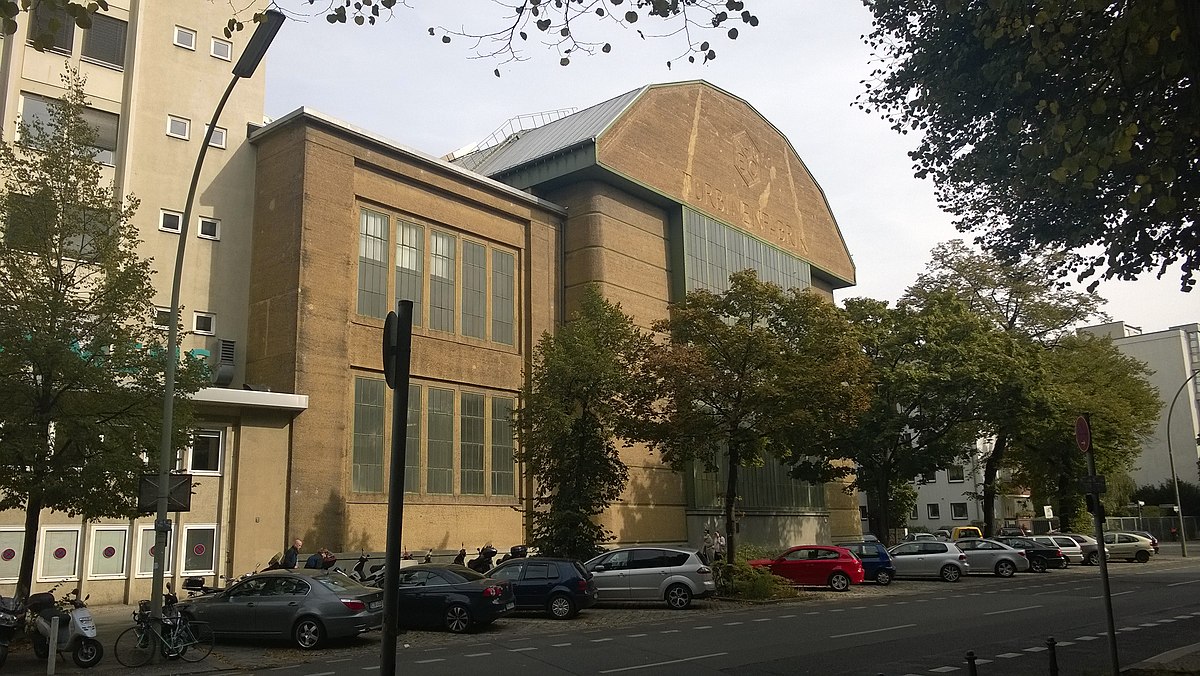
AEG's Turbine factory
📍 Berlin, Germany
The AEG Turbine Factory, an iconic structure in Berlin’s Bezirk Mitte, is a significant landmark that reflects the industrial heritage of the city. …
AKA-Radiergummifabrik
📍 Lower Saxony, Germany
The AKA-Radiergummifabrik, a significant former factory located in Hannover, Germany, offers a unique glimpse into the industrial past of the region. …

Alte Malzfabrik
📍 Lower Saxony, Germany
Alte Malzfabrik, located in Mülheim an der Ruhr, Germany, is an intriguing factory site that encapsulates the industrial heritage of the region. This …