Gardelegen massacre
Overview
The Gardelegen massacre memorial stands as a somber reminder of one of the darkest chapters in human history, commemorating the tragic events that took place near the town of Gardelegen in Saxony-Anhalt, Germany. This site marks the location where, in the final days of World War II, numerous lives were lost in a brutal act of violence. It serves not only as a memorial to the victims but also as a place of reflection on the impact of war and the importance of remembering the past. The memorial invites visitors to engage with this painful history, fostering a deeper understanding of the consequences of conflict and the need for reconciliation.
The site’s location in Gardelegen, a town with its own historical significance, adds layers to the memorial’s narrative. Situated amid the tranquil landscape of Saxony-Anhalt, the memorial is accessible to visitors seeking to learn about the atrocities of war and the resilience of the human spirit. Here, the memory of those who suffered is preserved, making it a poignant stop for anyone interested in history, memorialization, and the lessons we must carry forward.
History and Significance
The Gardelegen massacre occurred during the chaotic final weeks of World War II, a period marked by desperation and violence. As the Allied forces advanced into Germany, many prisoners of war and displaced persons were subjected to horrific acts at the hands of the Nazi regime. Near the town of Gardelegen, a group of prisoners was brutally murdered as part of a larger campaign of extermination that aimed to eliminate witnesses to the regime’s atrocities.
This memorial serves as a critical site for understanding the broader context of war crimes and the importance of recognizing and remembering the victims of such events. The Gardelegen massacre is significant not only as a standalone tragedy but also as part of the larger narrative of World War II, where countless lives were lost due to the ideologies of hate and intolerance.
In contemporary society, the memorial stands as a stark reminder of the consequences of hatred and division, urging future generations to reflect on the importance of peace and understanding. It highlights the necessity of confronting uncomfortable truths about our past to ensure that such atrocities are never repeated. By visiting the memorial, individuals contribute to the collective memory of the victims, honoring their lives and the lessons learned from their suffering.
Architecture and Features
The Gardelegen massacre memorial is designed to evoke a sense of reflection and solemnity. While specific architectural details may not be provided, memorials of this nature typically feature elements that encourage contemplation, such as open spaces, pathways, and symbolic structures. These elements serve to draw visitors into a space of remembrance, allowing them to connect with the history of the site on a personal level.
The layout of the memorial is likely intended to guide visitors through a journey of remembrance, inviting them to reflect on the lives lost and the circumstances that led to their deaths. The simplicity of the design often emphasizes the stark reality of the events commemorated, rather than ornate decorations that might detract from the solemnity of the site.
Visitors can expect to find informational displays that provide context about the massacre and the historical events surrounding it. These features aim to educate and inform, ensuring that the stories of those who suffered are not forgotten.
Visiting Information
Reaching the Gardelegen massacre memorial is relatively straightforward, with transport options available for those traveling from nearby cities and towns. Visitors are encouraged to check the official website for current information regarding opening hours, entry fees, and any guided tours that may be offered.
The site is designed to accommodate various visitor needs, and spending time at the memorial can vary depending on individual interest levels. A visit typically allows for a reflective experience, encouraging contemplation of the events commemorated. It is advisable to allocate ample time to fully engage with the site and its significance.
For those planning a visit, the best times to come are often during the spring and fall when the weather is mild, and the crowds are fewer. This allows for a more personal experience as visitors can engage with the memorial and its surroundings in a peaceful atmosphere.
Nearby Attractions
While the Gardelegen massacre memorial is a focal point for reflection, the surrounding area is home to several attractions that may complement a visit:
- St. Jacob’s Church: A historical church in Gardelegen, notable for its architecture and serene setting.
- Gardelegen Old Town: Explore the charming streets of Gardelegen, featuring buildings that echo the town’s rich history.
- Biosphere Reserve River Elbe: A natural reserve nearby that offers scenic views and opportunities for walking and wildlife observation.
- Museum of Gardelegen: This museum provides insights into the local history and culture, enriching the visitor experience with context about the region.
- Sachsen-Anhalt Region: The broader area includes various historical sites and nature trails, ideal for those looking to deepen their exploration of Saxony-Anhalt.
Insider Tips
For those planning to photograph the memorial, it is advisable to do so with respect for the somber nature of the site. Consider visiting during the early morning or late afternoon for softer lighting, which can add to the reflective mood of your images.
To avoid larger crowds, try visiting during weekdays or outside of peak tourist season. This can enhance your experience, allowing for a quieter atmosphere conducive to contemplation.
Practical Information
When visiting the Gardelegen massacre memorial, it is beneficial to bring along items that enhance your experience. Comfortable walking shoes are recommended, as visitors may wish to explore the site thoroughly. Additionally, bringing water and a small snack can be helpful, especially if you plan to spend a considerable amount of time reflecting on the memorial.
Seasonal considerations should also be taken into account, as weather conditions can change. Dressing in layers is advisable, allowing for adjustments as needed throughout your visit.
Frequently Asked Questions
How long should I spend visiting?
A visit to the Gardelegen massacre memorial typically takes around 1-2 hours, allowing for ample time to reflect and engage with the site.
Is photography allowed?
Photography is generally permitted, but visitors are encouraged to be respectful of the memorial’s solemnity.
Are there guided tours?
Check the official website for information on guided tours that may be available during your visit.
What’s the best time to visit?
The best times to visit are usually during spring and fall, when the weather is pleasant and crowds are smaller.
Is it wheelchair accessible?
The memorial is designed to be accessible, but it is advisable to check the official website for specific accessibility information.
Can I buy tickets online?
Check the official website for current ticketing options and availability.
Are there restrooms and cafes?
Visitor amenities may be limited, so it is best to check the official website for available facilities.
What should I wear?
Comfortable and respectful attire is recommended, keeping in mind the memorial’s solemn nature. Weather-appropriate clothing is also advisable.
More in Brandenburg
Agnetenkloster
📍 Brandenburg, Germany
Agnetenkloster, a former monastery located in the heart of Magdeburg, Germany, invites visitors to explore its serene ambiance and historical …

Agroneum
📍 Brandenburg, Germany
Agroneum is a museum located in the serene landscape of Alt Schwerin, Germany. This establishment serves as a vibrant hub for those interested in the …

Alexander Nevsky Memorial Church
📍 Brandenburg, Germany
The Alexander Nevsky Memorial Church in Potsdam, Germany, offers visitors a unique glimpse into the city’s cultural and religious heritage. This …
Alexandrowka
📍 Brandenburg, Germany
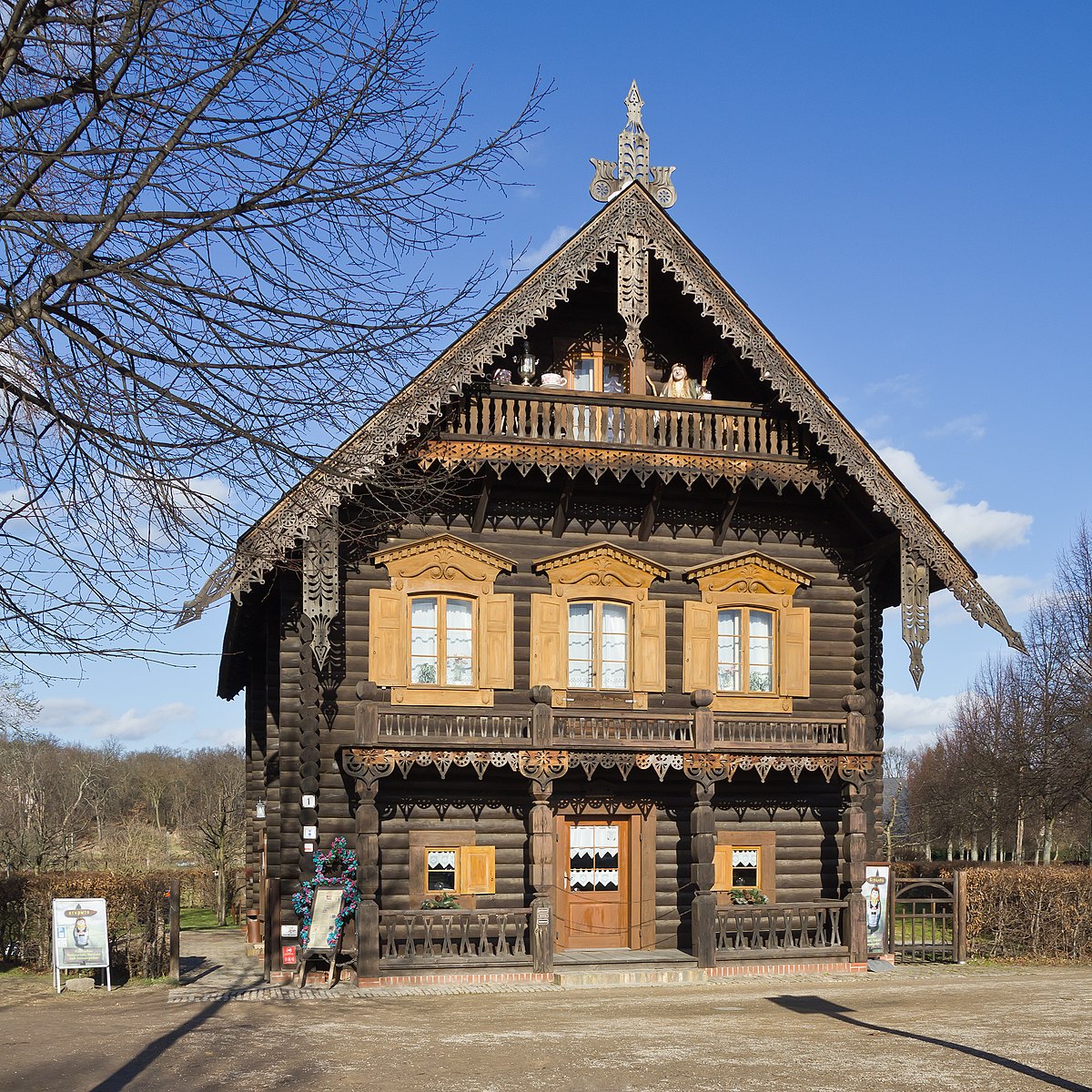
Located in the picturesque city of Potsdam, Germany, Alexandrowka is an intriguing architectural ensemble that reflects a unique blend of Russian and …

Alte Burg Penzlin
📍 Brandenburg, Germany
Alte Burg Penzlin, a captivating castle located in the quaint town of Penzlin, Germany, serves as a remarkable example of medieval architecture and …

Alte Dorfkirche Röxe
📍 Brandenburg, Germany
The Alte Dorfkirche Röxe stands as a poignant symbol of architectural and cultural history in the Stendal region of Germany. This church building, …
More Memorials

2 Straßenbau- Gedenksteine
📍 Schleswig-Holstein, Germany
In the picturesque region of Bösdorf, Germany, two memorial stones commemorate a pivotal moment in the history of infrastructure development. Known as …

Albrecht-Dürer-Denkmal
📍 Bavaria, Germany
In the heart of Nuremberg, Germany, the Albrecht-Dürer-Denkmal stands as a tribute to one of the most influential figures in Northern Renaissance art. …

Alexiuskreuz
📍 Lower Saxony, Germany
A visit to Alexiuskreuz in Mägdesprung, Harzgerode, invites exploration of a poignant memorial that honors significant historical events and figures. …

Alsdorfer Bergmannskreuz
📍 North Rhine-Westphalia, Germany
The Alsdorfer Bergmannskreuz memorial, located in Simmerath, Germany, serves as a poignant reminder of the region’s mining heritage and the cultural …
Alte Pathologie Wehnen
📍 Lower Saxony, Germany
In the tranquil landscape of Bad Zwischenahn, Germany, the Alte Pathologie Wehnen serves as a solemn memorial dedicated to the victims of the Nazi …

Arbeitserziehungslager Nordmark
📍 Schleswig-Holstein, Germany
Arbeitserziehungslager Nordmark, located on the outskirts of Kiel, Germany, serves as a solemn memorial to the atrocities committed during the Nazi …