
Galerie an der Ruhr
Overview
Galerie an der Ruhr, located in Mülheim an der Ruhr, Germany, serves as a vibrant hub for art enthusiasts and cultural explorers alike. Situated in a region known for its rich industrial history, this art museum reflects a modern vision of artistic expression while honoring its historical context. The museum is dedicated to showcasing contemporary art, making it a significant contributor to the cultural landscape of the Ruhr area. Visitors can expect a thoughtfully curated selection of works that not only highlight local talents but also feature national and international artists.
The museum’s commitment to fostering dialogue between art and the public is evident in its engaging exhibitions and community-oriented programs. It stands as a vital space for creativity and inspiration, inviting individuals to explore the ever-evolving world of contemporary art. For those looking to immerse themselves in a cultural experience that challenges perceptions and ignites conversations, Galerie an der Ruhr promises a rewarding visit.
History and Significance
The Galerie an der Ruhr is embedded in the cultural evolution of Mülheim an der Ruhr, a city that has transformed from its industrial roots into a modern cultural center. The museum emerges as a symbol of this transition, representing a commitment to the arts and a desire to promote cultural dialogue among residents and visitors. The significance of the museum extends beyond mere exhibition; it plays a crucial role in nurturing artistic talent and providing a platform for emerging artists.
Throughout its establishment, the museum has hosted a variety of exhibitions, workshops, and community events. These initiatives contribute to the cultural fabric of the Ruhr region, which has historically been characterized by its industrial landscape. The integration of contemporary art within this context highlights a transformative narrative, one that connects the past with the present and encourages a deeper appreciation for artistic innovation.
The museum’s programming often reflects themes relevant to contemporary society, engaging with local issues and global conversations. This approach not only elevates the importance of art but also encourages critical thinking and dialogue among diverse audiences. In this way, Galerie an der Ruhr firmly establishes itself as a central player in the cultural dialogue of Mülheim an der Ruhr and beyond.
Architecture and Features
While specific architectural details are not provided, the design of art museums often emphasizes openness and accessibility, creating an inviting atmosphere for visitors. The layout typically consists of spacious galleries that allow artworks to be displayed in a manner that promotes engagement and reflection. Natural light is often a key feature in such spaces, enhancing the viewing experience and bringing out the colors and details of the artworks.
Inside, visitors can expect to find a selection of contemporary art pieces, each thoughtfully curated to provoke thought and dialogue. The arrangement of exhibitions may vary, offering fresh experiences with each visit. Additionally, the museum often incorporates multi-functional spaces that can host workshops, lectures, and community events, further extending its role as a cultural hub.
The facilities are designed to accommodate a wide range of visitors, emphasizing inclusivity and accessibility. This focus enhances the overall experience, encouraging individuals from all backgrounds to engage with the art on display.
Visiting Information
Reaching Galerie an der Ruhr is convenient, with various public transportation options available in Mülheim an der Ruhr. Visitors can expect a well-signposted journey, making it easy to navigate to this cultural venue. For those arriving by car, check the official website for specific parking options nearby.
When planning your visit, it is advisable to check the official website for current information regarding hours and ticket prices, as these can vary throughout the year. Allow at least a few hours to explore the exhibitions fully, engage with any interactive components, and appreciate the art in a leisurely manner.
The museum often hosts special events or themed exhibitions, so consider timing your visit to coincide with these offerings for a more enriching experience. Early mornings or weekdays may offer a quieter atmosphere, ideal for those who prefer a more contemplative visit.
Nearby Attractions
While exploring the area surrounding Galerie an der Ruhr, several attractions warrant a visit:
Mülheim City Museum: This museum provides insights into the local history and culture, showcasing artifacts that tell the story of the region’s development.
Wasserbahnhof Mülheim: A picturesque marina where visitors can enjoy strolls along the water, surrounded by cafés and restaurants offering a pleasant place to relax.
Schloss Broich: A historic castle that offers guided tours, allowing visitors to learn about its history and significance in the region.
Theater an der Ruhr: A well-known theater that features a range of performances, from drama to dance, enriching the cultural offerings of Mülheim.
Ruhr Valley Cycle Path: For those who enjoy outdoor activities, this scenic cycling path provides an opportunity to explore the natural beauty of the Ruhr region.
Insider Tips
When visiting Galerie an der Ruhr, consider bringing a camera to capture the artworks, but be mindful of any restrictions on photography within the museum. Early morning visits or weekdays can help avoid crowds, allowing for a more personal experience with the art. If you have specific exhibitions in mind, check in advance to see if they require advance booking or have limited viewing times.
Practical Information
Visitors to Galerie an der Ruhr should come prepared for a full day of cultural exploration. Comfortable walking shoes are recommended, as the museum may require some standing and walking to enjoy all the exhibitions. Depending on the season, consider bringing layers to adjust to indoor and outdoor temperatures.
Accessibility is an essential aspect of the museum, so ensure to check for any specific needs you may have before your visit. Additionally, seasonal events may provide unique opportunities to engage with the art and the community, making it worthwhile to plan your visit around these occasions.
Frequently Asked Questions
How long should I spend visiting?
It is advisable to spend at least two to three hours to fully appreciate the exhibitions and any special events.
Is photography allowed?
Photography policies can vary; check with the museum upon arrival for specific guidelines.
Are there guided tours?
The museum may offer guided tours; it is best to inquire on the official website or at the reception desk during your visit.
What’s the best time to visit?
Weekdays or early mornings are generally quieter, making for a more relaxed visit.
Is it wheelchair accessible?
The museum is designed with accessibility in mind, but it’s best to confirm specific accommodations on the official website.
Can I buy tickets online?
Check the official website for information on purchasing tickets online and any potential discounts.
Are there restrooms and cafes?
Facilities typically include restrooms; check the official website for details on dining options.
What should I wear?
Dress comfortably and consider layering, as indoor temperatures may differ from the outdoors, especially in different seasons.
More in Lower Saxony

2000 Jahre Christentum
📍 Lower Saxony, Germany
The “2000 Jahre Christentum,” a prominent statue located in Brunswick, Germany, serves as a significant cultural landmark that reflects the rich …
A. Heucke
📍 Lower Saxony, Germany
A. Heucke, located in the historic town of Gatersleben in Germany’s Seeland region, represents a significant chapter in the story of industrial …

Aalto Theatre
📍 Lower Saxony, Germany
The Aalto Theatre in Essen, Germany, is a prominent cultural landmark that attracts both local and international visitors. Renowned for its …

Aasee
📍 Lower Saxony, Germany
Aasee is a picturesque lake located in the town of Ibbenbüren, Germany, serving as a popular destination for both locals and visitors alike. This …
Abgunst Mine
📍 Lower Saxony, Germany
Abgunst Mine, located in the industrial heart of Essen, Germany, is a significant heritage site that represents the country’s rich mining history. As …

Accumer Mühle
📍 Lower Saxony, Germany
Accumer Mühle is a captivating windmill located in Schortens, Germany, that showcases the remarkable engineering of traditional European mills. This …
More Art Museums

Aachen Cathedral Treasury
📍 North Rhine-Westphalia, Germany
Aachen Cathedral Treasury, located in the historic city of Aachen, Germany, is a remarkable art museum that houses an impressive collection of …

Abteiberg Museum
📍 North Rhine-Westphalia, Germany
In the heart of Mönchengladbach, Germany, the Abteiberg Museum stands out as a prominent destination for art enthusiasts and cultural explorers alike. …

Akademisches Kunstmuseum
📍 North Rhine-Westphalia, Germany
In the heart of Bonn, Germany, lies the Akademisches Kunstmuseum, an art museum that invites visitors to explore a diverse collection of artworks …

Albertinum
📍 Saxony, Germany
Albertinum is a prominent art museum located in the heart of Dresden, Germany, serving as a significant cultural institution in the region. …

Albrecht Dürer's House
📍 Bavaria, Germany
Albrecht Dürer’s House stands as a significant cultural landmark in Nuremberg, Germany, celebrating the life and work of one of the Renaissance’s most …
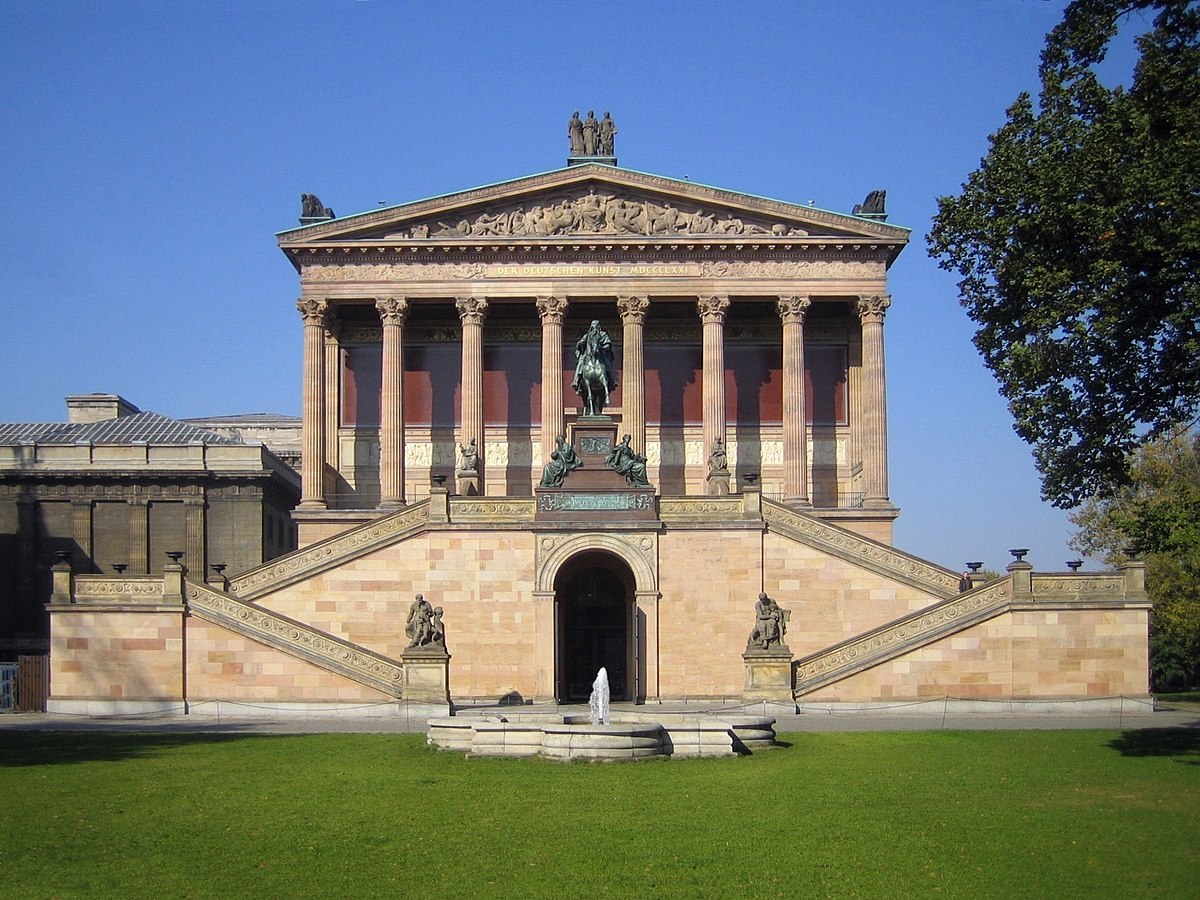
Alte Nationalgalerie
📍 Berlin, Germany
The Alte Nationalgalerie, an esteemed art museum located in Berlin’s Bezirk Mitte, is a cornerstone of cultural appreciation in Germany. This museum …