
Frontiers of the Roman Empire – The Danube Limes (Western Segment)
Overview
The Frontiers of the Roman Empire – The Danube Limes (Western Segment) represents a significant chapter in the annals of Roman history, marking the northern boundary of the Empire at its height. Stretching across parts of Germany, Austria, and Slovakia, this UNESCO World Heritage site showcases the impressive architectural ingenuity of the Romans as they established a defensive frontier along the Danube River. The Limes served not only as a military barrier but also as a vital trade route, facilitating the exchange of culture and goods. Today, visitors can explore remnants of watchtowers, fortifications, and settlements that speak volumes about life on the edge of the Roman world.
As you traverse this historical landscape, you’ll encounter a blend of natural beauty and archaeological significance, making it a remarkable destination for both history enthusiasts and casual travelers alike. The Frontiers of the Roman Empire – The Danube Limes invites you to delve into the legacy of a civilization that shaped Europe and beyond, providing a rich narrative of ambition, strategy, and cultural exchange.
History and Significance
The Danube Limes signifies the expansive reach of the Roman Empire into Central Europe, serving as a strategic military fortification built to protect Roman territories from external threats while facilitating trade interactions with neighboring tribes. This architectural ensemble reflects the Roman approach to border security, combining military might with urban planning. The construction of this frontier began during the 1st century AD and continued for several centuries, adapting to the changing dynamics of power and culture in the region.
The significance of the Danube Limes extends beyond its military function; it acted as a conduit for the dissemination of Roman culture, technology, and governance. The network of forts and settlements along the Limes fostered economic growth, allowing local populations to engage with Roman customs, language, and trade practices. This cultural exchange played a vital role in shaping the identity of the regions adjacent to the Danube and laid the groundwork for future civilizations.
As the Roman Empire began to decline, the Limes became a focal point for various tribes and peoples vying for control of the territory. The remnants of the fortifications provide critical insight into the Roman military’s response to these challenges and the adaptations made to secure their borders. Today, the Danube Limes stands as a powerful symbol of the Roman Empire’s far-reaching influence, illustrating the complexities of imperial governance and the interactions between different cultures that occurred along its expansive frontiers.
Architecture and Features
The architectural elements of the Danube Limes exemplify Roman engineering prowess, reflecting a carefully planned military defense system. The site features an array of structures, including watchtowers, forts, and civilian settlements, designed to optimize surveillance and security along the frontier. The fortifications were typically constructed from local materials, blending into the surrounding landscape while serving their functional purpose.
One of the most notable features of the Danube Limes is its system of watchtowers, strategically positioned to allow for maximum visibility. These towers served not only as lookout points but also as signaling stations, enabling rapid communication between different segments of the Limes. The remains of these structures can still be seen along the route, offering a glimpse into the military organization and vigilance of the Roman legions.
The forts along the Limes housed soldiers and their families, functioning as small communities with their own administrative and economic systems. These forts were equipped with barracks, storage facilities, and command centers, illustrating the Roman commitment to maintaining order and efficiency. Visitors can observe the layout of these ancient military bases, which were designed for both defense and daily life, emphasizing the dual role of the Limes as a military and civilian space.
In addition to military architecture, the Danube Limes includes remnants of roads and bridges that connected various settlements. These infrastructure components facilitated movement and trade, ensuring that the frontier was not only a barrier but also a bustling zone of interaction between the Roman Empire and the tribes to the north.
Visiting Information
To explore the Frontiers of the Roman Empire – The Danube Limes, visitors can start their journey in Germany, where several key sites are accessible. The region is well-connected by public transport, including trains and buses, making it easy to reach various points along the Limes. For those traveling by car, the scenic routes along the Danube offer picturesque landscapes and opportunities for exploration.
Check the official website for current information regarding opening hours and ticket prices, as these can vary by location and season. When planning your visit, consider dedicating at least half a day to fully appreciate the sites along the Limes. This will allow time to explore the forts, watchtowers, and surrounding areas, providing a comprehensive experience of this historical frontier.
The best times to visit the Danube Limes are during the spring and early autumn months when the weather is mild, allowing for comfortable outdoor exploration. Summer may attract more tourists, which could lead to busier sites, while winter can limit access due to weather conditions.
Expect to encounter well-preserved ruins and informative signage that provide context and explanations of the historical significance of each site. Guided tours may also be available to enhance your understanding of the Limes’ role in Roman history.
Nearby Attractions
Carnuntum Archaeological Park: Located not far from the Limes, this extensive site offers reconstructed Roman buildings and an insight into urban life during the Roman Empire.
The Roman City of Regensburg: A UNESCO World Heritage site, Regensburg features well-preserved medieval and Roman architecture, including the famous Stone Bridge.
Dürnstein: A charming village along the Danube, known for its stunning castle ruins and picturesque vineyards, perfect for a leisurely visit after exploring the Limes.
The Wachau Valley: Renowned for its breathtaking landscapes and historic towns, this region is ideal for hiking, cycling, or enjoying local wine.
Melk Abbey: An impressive baroque monastery overlooking the Danube, Melk Abbey offers stunning architecture and a rich history, providing a contrast to the Roman heritage of the Limes.
Insider Tips
For photography enthusiasts, early morning or late afternoon provides the best natural light for capturing the ruins and landscapes along the Danube Limes. The soft sunlight enhances the textures of the ancient stones and the surrounding scenery.
To avoid crowds, consider visiting on weekdays rather than weekends, especially during peak tourist seasons. This will allow for a more immersive experience as you explore the sites at a leisurely pace.
Practical Information
When visiting the Danube Limes, it’s advisable to wear comfortable footwear, as you may encounter uneven terrain and various walking paths. Weather conditions can vary, so be sure to check the forecast and dress in layers, especially during transitional seasons.
Pack essentials such as water, snacks, and sunscreen, particularly if you plan to spend extended periods outdoors. Binoculars can enhance your experience when observing distant structures or wildlife along the riverbanks.
Frequently Asked Questions
How long should I spend visiting?
A half-day to a full day is recommended to explore the key sites along the Danube Limes, allowing ample time for exploration and appreciation of the historical significance.
Is photography allowed?
Yes, photography is generally permitted, but be mindful of any specific restrictions at individual sites.
Are there guided tours?
Guided tours may be available at certain locations along the Limes, providing additional insights into the history and architecture.
What’s the best time to visit?
The best times to visit are during spring and early autumn when the weather is mild and the sites are less crowded.
Is it wheelchair accessible?
Accessibility varies by site; check specific locations for facilities and accommodations.
Can I buy tickets online?
Check the official website for information on ticket purchases and availability.
Are there restrooms and cafes?
Many sites along the Limes have restrooms and nearby cafes; however, it is advisable to check specific locations before your visit.
What should I wear?
Dress comfortably and in layers, as weather conditions can change. Sturdy footwear is recommended for walking on uneven terrain.
Visit Information
Quick Facts
- Heritage Type
- Architectural Ensemble
- Region
- Germany
- Wikidata ID
- Q108017566
More in Germany

Bauernmuseum Selfkant
📍 Germany
Bauernmuseum Selfkant is an intriguing museum located in the heart of Germany that offers insights into rural life and agricultural practices. This …

borders of the Roman Empire
📍 Germany
The borders of the Roman Empire mark an extraordinary architectural ensemble that encapsulates the might and planning of one of history’s most …

Moravian Church Settlements
📍 Germany
The Moravian Church Settlements represent a unique chapter in the history of religious communities and human settlement patterns, intertwining faith, …

The Architectural Work of Le Corbusier
📍 Germany
The Architectural Work of Le Corbusier is a remarkable collection that spans seven countries, showcasing the innovative genius of one of the 20th …

The Great Spa Towns of Europe
📍 Germany
The Great Spa Towns of Europe represent a unique blend of health, leisure, and architectural beauty, reflecting centuries of cultural and social …
More Architectural Ensembles

144., 176. und 184. Gemeindeschule
📍 Berlin, Germany
The 144., 176. und 184. Gemeindeschule, an architectural ensemble located in the vibrant city of Berlin, stands as a noteworthy example of educational …

Adelheidstraße 3–7, 9–12, 12a, 14, 15, 22–31, Amelungstraße 1, Friedrich-Ebert-Platz
📍 Lower Saxony, Germany
In the heart of Quedlinburg, Germany, lies a captivating architectural ensemble that reflects the town’s historical significance and cultural …

Aegidiimarkt
📍 Lower Saxony, Germany
Aegidiimarkt is a captivating architectural ensemble located in the heart of Münster, Germany. This vibrant square not only serves as a hub for local …
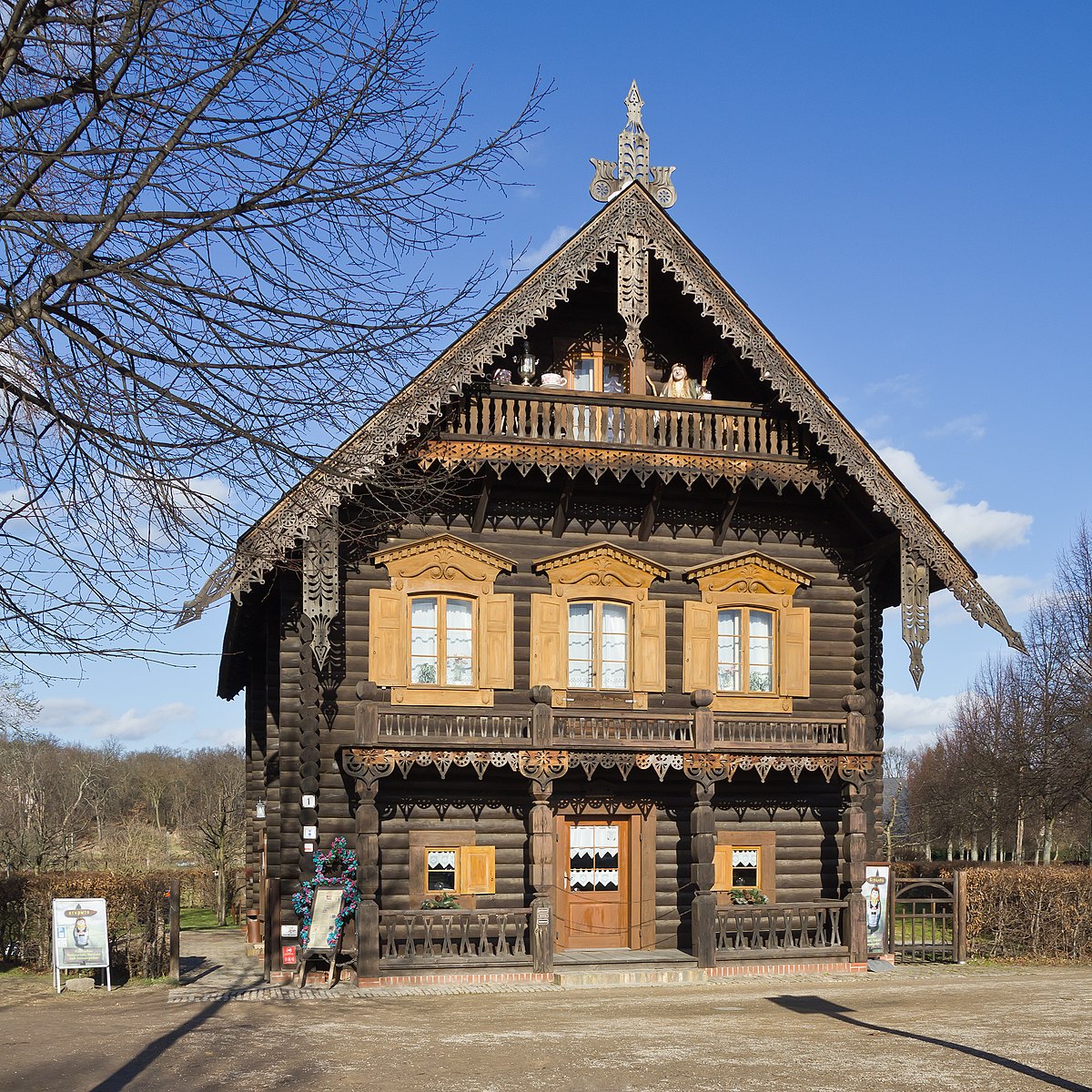
Alexandrowka
📍 Brandenburg, Germany
Located in the picturesque city of Potsdam, Germany, Alexandrowka is an intriguing architectural ensemble that reflects a unique blend of Russian and …

Alhauser Hammer
📍 North Rhine-Westphalia, Germany
Alhauser Hammer is a remarkable architectural ensemble located in Ennepetal, Germany, known for its historical significance as a water-driven hammer …

Alsdorfer Ölmühle
📍 North Rhine-Westphalia, Germany
The Alsdorfer Ölmühle, an architectural ensemble located in the heart of Alsdorf, Germany, is a remarkable example of a traditional watermill that …