
Friedländer Tor
Overview
The Friedländer Tor is a striking example of historical architecture, representing one of the city gates of Neubrandenburg, located in the picturesque region of Mecklenburg-Vorpommern, Germany. This impressive structure not only serves as a gateway into the city but also stands as a symbol of Neubrandenburg’s medieval heritage and its strategic significance in the past. Travelers seeking to explore the diverse history and culture of Germany will find the Friedländer Tor to be an essential stop, offering insights into the architectural styles and urban planning of its time.
As you approach the gate, the robust brickwork and towering structure evoke a sense of the city’s past, inviting visitors to delve deeper into the stories it holds. The Friedländer Tor is more than just an entry point; it embodies the spirit of Neubrandenburg and its evolution through centuries. In addition to its historical value, the gate is surrounded by a vibrant urban landscape that enhances the experience for visitors, making it an integral part of any exploration of the area.
History and Significance
The Friedländer Tor has played a pivotal role in the history of Neubrandenburg, a city that dates back to the Middle Ages. Originally constructed as part of the city’s fortification system, it served to protect the inhabitants from invasions and conflicts that were common during that era. This city gate was one of several that formed a defensive perimeter around Neubrandenburg, highlighting its importance as a regional stronghold.
Throughout the centuries, the gate has witnessed numerous events, from trade and commerce to conflicts and sieges. As a result, it has become a significant cultural landmark, representing not just the architectural prowess of its time but also the resilience of the city and its people. The Friedländer Tor stands as a reminder of the city’s strategic position in the region and its historical role as a center of trade and culture.
As urban development progressed, the function of the Friedländer Tor evolved from a military fortification to a symbol of the city’s heritage. Today, it serves as a focal point for both locals and tourists, encapsulating the rich history of Neubrandenburg while contributing to the city’s character. This transformation reflects broader trends in urban history, where buildings of significant historical value are preserved and integrated into modern city life, allowing them to continue telling their stories to future generations.
Architecture and Features
The Friedländer Tor is notable for its distinctive architectural features, characteristic of the Gothic style prevalent during its construction. The gate is primarily constructed from brick, a material commonly used in the region, and showcases the craftsmanship of medieval builders. Its design includes elements such as pointed arches and decorative brick patterns, which are emblematic of the Gothic architecture that flourished in Northern Europe.
Standing tall, the gate features a substantial central archway that once allowed carts and pedestrians to pass through, providing a direct route into the heart of the city. Flanking this central passage are two robust towers, which not only enhance the gate’s defensive capabilities but also contribute to its imposing presence. The towers are adorned with narrow windows, allowing for surveillance of the surrounding area while adding to the aesthetic appeal of the structure.
Visitors will appreciate the intricate details found throughout the gate, such as the carefully laid brickwork and the remnants of historical insignia that speak to its past. These features help to create a sense of place, providing insights into the architectural trends of the time while also highlighting the gate’s functional purpose.
Visiting Information
When planning a visit to the Friedländer Tor, travelers will find that it is accessible by various modes of transport. The site is located conveniently within the city of Neubrandenburg, making it easy to reach on foot from many local accommodations. For those traveling by public transport, check the official website for current information regarding bus and train services that can bring you close to the gate.
Visitors can expect to spend approximately an hour exploring the gate and its surrounding areas, allowing ample time to appreciate its architecture and take photographs. The best times to visit are typically during the early morning or late afternoon when the light casts beautiful shadows on the brick façade, enhancing its visual appeal.
As with many historical sites, it is advisable to check the official website for hours of operation and any potential entry fees before your visit. This will ensure that you are well-prepared and can make the most of your time at the Friedländer Tor.
Nearby Attractions
While visiting the Friedländer Tor, several nearby attractions can enhance your experience in Neubrandenburg:
St. Mary’s Church (Marienkirche): This prominent Gothic church is a short walk from the gate and features stunning stained glass windows and a beautiful interior.
The Neubrandenburg City Museum: Located nearby, this museum offers insights into the local history and culture, providing a deeper understanding of the region’s heritage.
The Ryck Canal: A picturesque waterway that runs through the city, ideal for leisurely walks or boat trips, allowing visitors to enjoy the natural beauty of the area.
The Neubrandenburg Theatre: An architectural gem, the theatre hosts a variety of performances, from dramas to concerts, showcasing local talent and cultural offerings.
The historic city walls: A stroll along the remnants of Neubrandenburg’s city walls can provide context to the significance of the Friedländer Tor in the city’s fortifications.
Insider Tips
To capture the essence of the Friedländer Tor in photographs, consider visiting during the golden hour—shortly after sunrise or before sunset—when the light creates a warm glow on the brickwork. Exploring the surrounding area can offer unique vantage points, allowing you to frame the gate against the backdrop of the city.
To avoid crowds, try to visit on weekdays rather than weekends. Early mornings are typically quieter, giving you a more personal experience with the site. Additionally, visiting during off-peak seasons can also enhance your enjoyment, as you can explore at a leisurely pace.
Practical Information
When visiting the Friedländer Tor, it is advisable to dress comfortably and wear sturdy footwear, as the surrounding areas may involve some walking. Depending on the season, layering your clothing can be beneficial, as temperatures can fluctuate throughout the day.
Don’t forget to bring a camera to capture the stunning architecture and the vibrant life around the gate. If you plan on exploring more of Neubrandenburg, consider packing a small bag with essentials like water, snacks, or a guidebook to enhance your experience.
Frequently Asked Questions
How long should I spend visiting?
A visit to the Friedländer Tor typically takes about one hour, allowing time to appreciate the architecture and explore the surrounding area.
Is photography allowed?
Yes, photography is allowed, and the gate provides many opportunities for stunning shots, especially during the golden hour.
Are there guided tours?
While specific guided tours may vary, check local tourism resources for options that include the Friedländer Tor in their itineraries.
What’s the best time to visit?
The best times to visit are early mornings or late afternoons, particularly during spring and summer when the weather is pleasant.
Is it wheelchair accessible?
Accessibility details may vary, so it is recommended to check the official website for current information regarding wheelchair access.
Can I buy tickets online?
Check the official website for current information regarding entry fees and the possibility of purchasing tickets online.
Are there restrooms and cafes?
While specific amenities may not be available at the gate, nearby attractions and public spaces in Neubrandenburg offer facilities and dining options.
What should I wear?
Dress comfortably and wear suitable footwear for walking. Layer your clothing depending on the weather for a more enjoyable visit.
The Friedländer Tor stands as a significant landmark, inviting visitors to explore its historical and architectural legacy. With careful planning and an eye for detail, your visit to this remarkable city gate will be an enriching experience.
More in Brandenburg
Agnetenkloster
📍 Brandenburg, Germany
Agnetenkloster, a former monastery located in the heart of Magdeburg, Germany, invites visitors to explore its serene ambiance and historical …

Agroneum
📍 Brandenburg, Germany
Agroneum is a museum located in the serene landscape of Alt Schwerin, Germany. This establishment serves as a vibrant hub for those interested in the …

Alexander Nevsky Memorial Church
📍 Brandenburg, Germany
The Alexander Nevsky Memorial Church in Potsdam, Germany, offers visitors a unique glimpse into the city’s cultural and religious heritage. This …
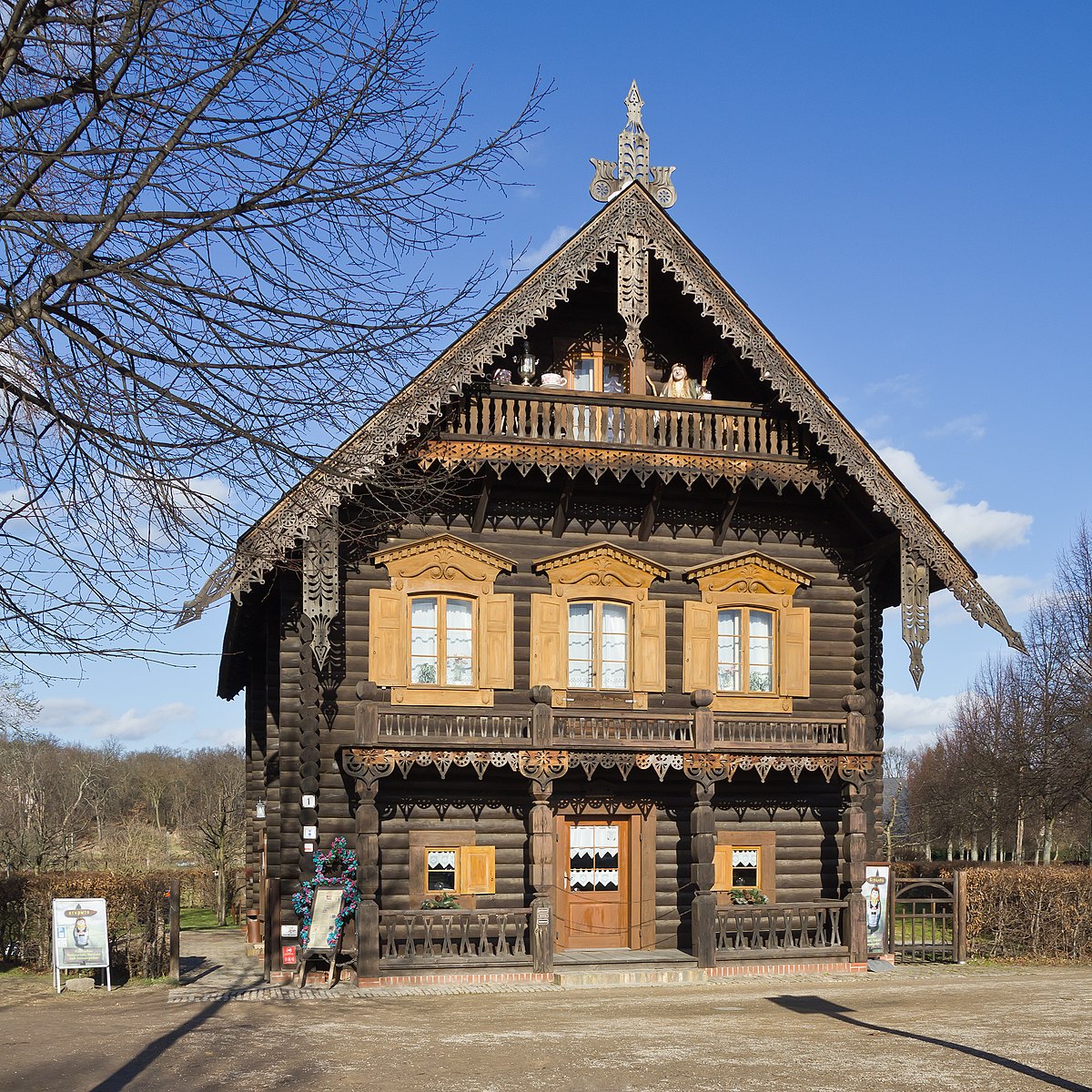
Alexandrowka
📍 Brandenburg, Germany
Located in the picturesque city of Potsdam, Germany, Alexandrowka is an intriguing architectural ensemble that reflects a unique blend of Russian and …

Alte Burg Penzlin
📍 Brandenburg, Germany
Alte Burg Penzlin, a captivating castle located in the quaint town of Penzlin, Germany, serves as a remarkable example of medieval architecture and …

Alte Dorfkirche Röxe
📍 Brandenburg, Germany
The Alte Dorfkirche Röxe stands as a poignant symbol of architectural and cultural history in the Stendal region of Germany. This church building, …
More City Gates

Adalbertstor
📍 North Rhine-Westphalia, Germany
Adalbertstor is a remarkable city gate located in Aachen, Germany, that plays a significant role in the architectural and historical landscape of the …
Affentor
📍 Hesse, Germany
Affentor, the southernmost of the medieval city gates of Frankfurt am Main, serves as a historical marker of the city’s rich past and architectural …
Altes Brücktor
📍 Brandenburg, Germany
Altes Brücktor, once a prominent city gate in the heart of Magdeburg, carries with it the weight of a rich historical narrative intertwined with the …

Angertor (München)
📍 Bavaria, Germany
The Angertor, an iconic city gate located in the historic Altstadt-Lehel district of Munich, serves as a striking reminder of the city’s medieval …

Anklam Gate of Usedom City
📍 Mecklenburg-Vorpommern, Germany
The Anklam Gate of Usedom City stands as a significant architectural feature within the historical landscape of Usedom, Germany. This city gate, a …

Anklamer Tor
📍 Mecklenburg-Vorpommern, Germany
The Anklamer Tor, a historic city gate located in the Friedland region of Germany, serves as a fascinating portal into the architectural and cultural …