Freiberg Mining Landscape
Overview
The Freiberg Mining Landscape, a UNESCO World Heritage site located in the heart of Germany, tells a compelling story of human ingenuity and the pursuit of precious minerals. This cultural landscape is a remarkable testament to the historical significance of mining in the region, reflecting centuries of industrial activity that fostered both economic growth and the development of social structures. With its rich mining heritage, Freiberg is not just a location; it is a narrative of the past, showcasing the relentless quest for resources that shaped the lives of countless individuals and communities.
The mining landscape is characterized by its diverse topography and intricate network of mining sites, reflecting the evolution of mining techniques and practices over time. Visitors can explore a range of historical features, from the remnants of ancient mining operations to modern advancements that revolutionized the industry. This unique setting is a cultural landscape that invites exploration and offers insight into the environmental and social dynamics of mining history.
As you traverse the Freiberg Mining Landscape, expect to encounter a blend of historical significance and natural beauty, making this destination a must-visit for history enthusiasts and nature lovers alike. Whether you are delving into the stories behind the mines or marveling at the stunning surroundings, this cultural landscape promises an enriching experience.
History and Significance
The Freiberg Mining Landscape has played a pivotal role in the development of mining technologies and practices in Europe. The roots of mining in this area can be traced back centuries, with evidence of mineral extraction dating back to ancient times. Over the years, Freiberg has witnessed the evolution of mining methods, from rudimentary techniques to sophisticated technologies that have significantly increased efficiency and safety.
The cultural and economic impacts of mining in Freiberg cannot be overstated. The wealth generated from mineral extraction contributed to the growth of the local economy and spurred advancements in various industries. As mining flourished, it attracted a multitude of workers, leading to the establishment of vibrant communities that thrived on the industry’s demands. The intricate relationship between the mining operations and the surrounding environment highlights the social and economic fabric of the region, offering valuable insights into the historical context of industrialization in Europe.
Throughout its history, Freiberg has also been a center for education and technological innovation. The establishment of institutions dedicated to mining science and engineering has further solidified its status as a hub for knowledge and expertise in the field. This combination of historical significance and ongoing relevance underscores the importance of the Freiberg Mining Landscape as a cultural landscape that reflects the evolution of human interaction with natural resources.
Architecture and Features
The Freiberg Mining Landscape is marked by an array of architectural and industrial features that illustrate the technological advancements in mining over the centuries. Visitors will find remnants of old mines, shafts, and tunnels that speak to the industrious spirit of the miners who once toiled in these depths. The landscape’s character is defined not only by these mining sites but also by the accompanying infrastructure, including processing plants and living quarters that housed the miners.
One of the notable features of this cultural landscape is the presence of various mining buildings and structures that have been preserved or restored. These structures are reflective of the architectural styles prevalent during the height of mining activity, showcasing the craftsmanship and materials used by the miners. The buildings often feature robust designs, with functional layouts that facilitated the demanding work of mineral extraction and processing.
In addition to the mining structures, visitors can explore the surrounding landscape, which has been shaped by centuries of excavation and alteration. The remnants of waste heaps, known as “tailings,” are visible throughout the area, serving as a reminder of the extensive mining operations that have taken place. The combination of natural and man-made features in the Freiberg Mining Landscape creates a unique environment that tells the story of both the land and its industrious inhabitants.
Visiting Information
Visiting the Freiberg Mining Landscape offers a unique opportunity to engage with history while enjoying the natural beauty of the region. To reach Freiberg, travelers can utilize various transportation options, including trains and buses, which connect the area to major cities in Germany. The landscape is easily accessible for those traveling by car, with parking facilities available nearby.
While exploring the mining landscape, it is advisable to check the official website for current information regarding hours of operation and ticket prices, as these can vary depending on the season or specific events. Visitors should anticipate spending several hours to fully appreciate the depth of the historical and cultural significance of the area. Guided tours may be available, offering insights from knowledgeable guides who can enhance the experience with stories and context.
The best times to visit the Freiberg Mining Landscape are typically during the spring and fall months when the weather is mild, and the scenery is particularly inviting. However, each season presents its own unique charm, allowing for different experiences throughout the year. It is recommended to dress comfortably and prepare for varying weather conditions, as outdoor exploration may involve uneven terrain.
Nearby Attractions
Freiberg is well-positioned for visitors to explore a range of nearby attractions that complement the mining landscape experience. Some notable places include:
Freiberg Cathedral: A stunning example of Gothic architecture, this cathedral features beautiful stained glass windows and a rich history that dates back to the Middle Ages.
Terra Mineralia: Located within the historic Freiberg University of Mining and Technology, this museum houses an extensive collection of minerals and gemstones, providing an educational insight into the geological aspects of mining.
Schwarzenberg Castle: Just a short drive away, this medieval castle offers visitors a glimpse into the region’s feudal history and stunning panoramic views of the surrounding landscape.
Saxon Switzerland National Park: A bit further afield, this national park is renowned for its dramatic sandstone formations and offers numerous hiking trails for those looking to immerse themselves in nature.
Chemnitz: A nearby city with a vibrant cultural scene, Chemnitz features museums, galleries, and historical landmarks, making it an excellent addition to your itinerary.
Insider Tips
To make the most of your visit to the Freiberg Mining Landscape, here are some insider tips:
Photography: The landscape offers numerous opportunities for photography, especially at dawn or dusk when the light casts a unique glow on the historical structures. Be mindful of your surroundings and respect any guidelines regarding photography within specific areas.
Crowd Avoidance: To enjoy a more tranquil experience, consider visiting on weekdays or during off-peak hours. Early morning visits often provide a quieter atmosphere, allowing for a more immersive exploration of the site.
Practical Information
When planning your visit to the Freiberg Mining Landscape, consider the following practical tips:
What to Bring: Comfortable walking shoes are essential, as much of the exploration involves outdoor walking on uneven surfaces. A light jacket may also be useful, as weather conditions can change unexpectedly.
Seasonal Considerations: If visiting during the winter months, be prepared for colder temperatures and possible snow. In contrast, summer visits may require sun protection and plenty of water, especially if you plan to spend extended time outdoors.
Frequently Asked Questions
How long should I spend visiting?
A visit typically lasts between three to five hours, allowing ample time to explore the mining landscape and its historical features.
Is photography allowed?
Yes, photography is generally permitted, but be respectful of any specific rules regarding certain areas or structures.
Are there guided tours?
Guided tours may be available, providing deeper insights into the history and significance of the mining landscape.
What’s the best time to visit?
The best times to visit are during spring and fall when the weather is mild, but each season offers unique experiences.
Is it wheelchair accessible?
Accessibility may vary by location within the mining landscape, so it is advisable to check specific sites for wheelchair access.
Can I buy tickets online?
Check the official website for current information regarding ticket purchases and availability.
Are there restrooms and cafes?
Facilities may be available on-site, but it is advisable to check the official website for specific information.
What should I wear?
Dress comfortably and in layers, considering the potential for varying weather conditions during your visit.
More in Saxony

6. Grundschule "Am Großen Garten"
📍 Saxony, Germany
The 6. Grundschule “Am Großen Garten” stands as a significant educational institution in Dresden, Germany, embodying the principles of early childhood …

Albertinum
📍 Saxony, Germany
Albertinum is a prominent art museum located in the heart of Dresden, Germany, serving as a significant cultural institution in the region. …

All Saints Church, Dresden
📍 Saxony, Germany
All Saints Church, located in the vibrant city of Dresden, Germany, is a remarkable church building that captures the essence of the region’s …

Altarstein (Saxon Switzerland)
📍 Saxony, Germany
Altarstein, located in the picturesque region of Saxon Switzerland, Germany, is a captivating monument that draws visitors into its historical …

Alte Nikolaischule (Leipzig)
📍 Saxony, Germany
Alte Nikolaischule, located in the heart of Leipzig, Germany, is a significant educational institution with a rich heritage. Founded as a school, it …
Alte Schulbrücke Oberbobritzsch
📍 Saxony, Germany
The Alte Schulbrücke Oberbobritzsch is a striking bridge situated in the Bobritzsch-Hilbersdorf region of Germany. This structure serves not only as a …
More Cultural Landscapes

Altes Land
📍 Lower Saxony, Germany
Altes Land, located in northern Germany, is a remarkable cultural landscape that reflects the unique agricultural heritage and traditional practices …

Altmark
📍 Brandenburg, Germany
The Altmark region, located in the northwestern part of Saxony-Anhalt, Germany, offers a unique glimpse into a cultural landscape shaped by centuries …
Annaberg-Frohnau Mining Landscape
📍 Bavaria, Germany
The Annaberg-Frohnau Mining Landscape, located in Germany, represents a significant chapter in the story of European industrial heritage. This …
Buchholz Mining Landscape
📍 Bavaria, Germany
The Buchholz Mining Landscape, located in Germany, is a remarkable cultural landscape that offers a glimpse into the historical significance of mining …
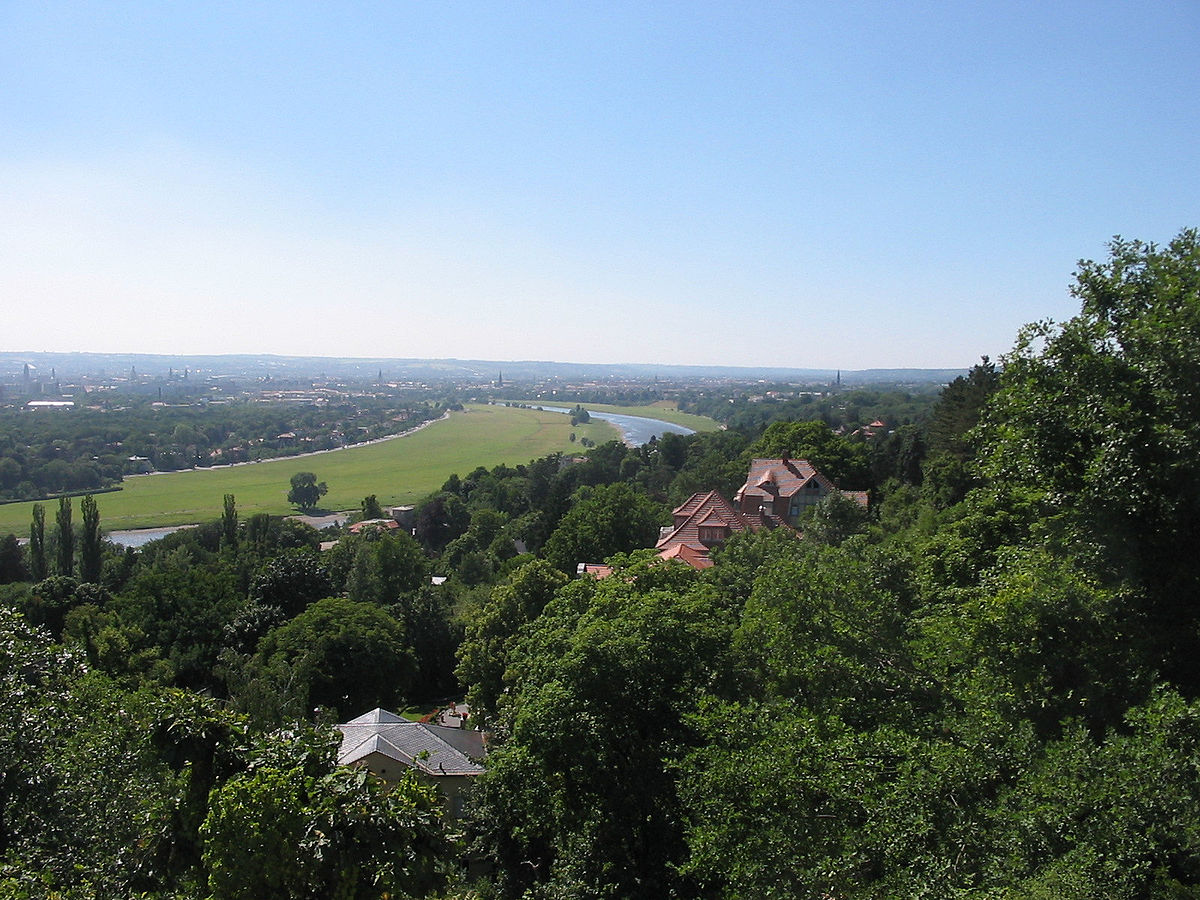
Dresden Elbe Valley
📍 Saxony, Germany
The Dresden Elbe Valley, a UNESCO World Heritage Site, is a cultural landscape that reflects the rich historical and artistic heritage of Saxony, …
Ehrenfriedersdorf Mining Landscape
📍 Saxony, Germany
The Ehrenfriedersdorf Mining Landscape, a significant cultural landscape in Germany, invites visitors to explore a rich history of mining that has …