Overview
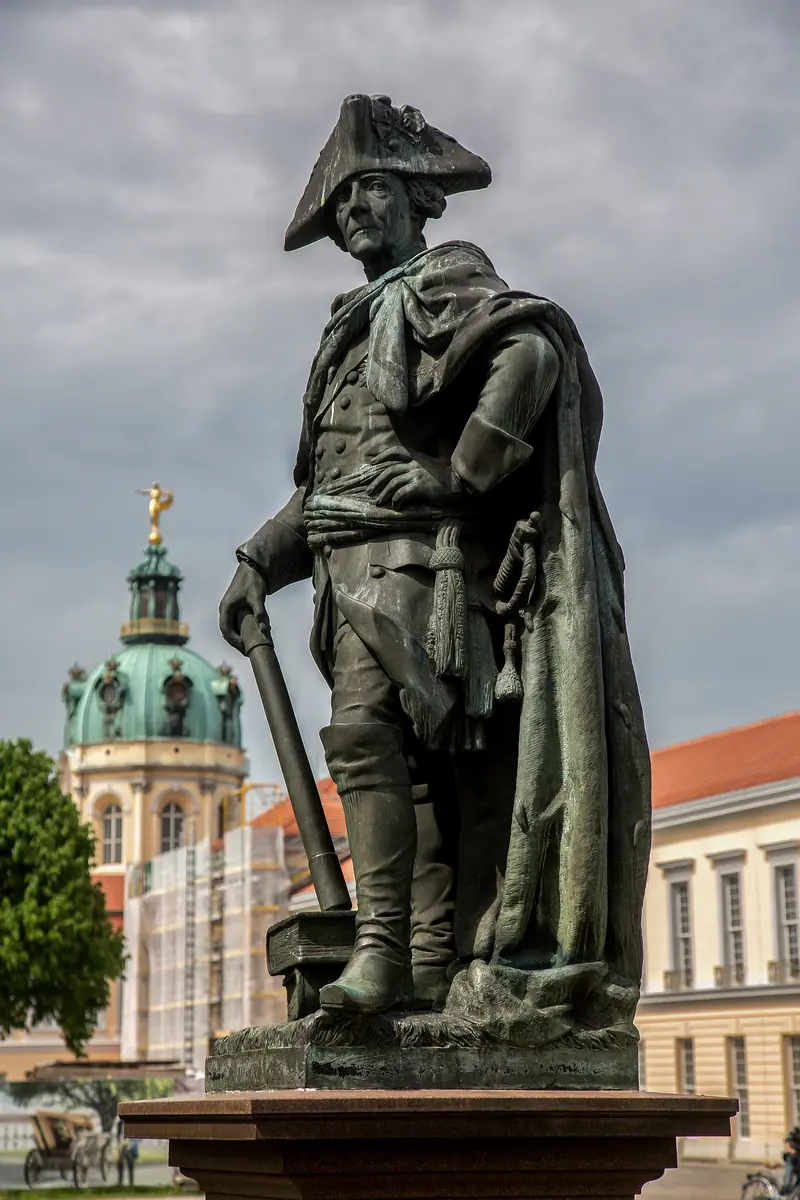
The Frederick the Great Memorial stands as an iconic monument within the grounds of Charlottenburg Palace in Berlin, Germany. This statue commemorates one of the most significant figures in Prussian history, Frederick II, known as Frederick the Great. As a patron of the arts and a military leader, Frederick transformed Prussia into a major European power during the 18th century. The memorial not only honors his legacy but also serves as a focal point for visitors exploring the opulent surroundings of Charlottenburg Palace, which itself is a prominent example of Baroque architecture.
Set against the backdrop of the palace’s lush gardens, the statue captures the essence of a leader who was deeply invested in the cultural and political landscape of his time. Visitors to the memorial can expect a blend of historical reverence and artistic appreciation, as the monument is thoughtfully integrated into the overall aesthetic of the palace grounds. For those interested in delving deeper into the life of Frederick the Great and his contributions to Prussia, a visit to this memorial offers a compelling starting point.
History and Significance
Frederick the Great, who reigned from 1740 to 1786, is often credited with modernizing the Prussian state and fostering a sense of national identity. Under his rule, Prussia saw advancements in military organization, education, and the arts. The decision to erect a memorial in his honor reflects the enduring admiration for his contributions, particularly in shaping Berlin into a cultural hub.
The statue itself stands as a symbol of Prussian pride and power. It is a representation of Frederick not just as a monarch, but as an enlightened ruler who embraced Enlightenment ideals. His patronage of the arts resulted in a flourishing cultural scene in Berlin, where music, philosophy, and literature thrived. The memorial serves not only to commemorate his achievements but also to inspire future generations to appreciate the importance of leadership and vision.
As you explore the monument, consider the historical context in which Frederick operated. His military campaigns, particularly during the Seven Years’ War, solidified Prussia’s status as a formidable European power. The memorial encapsulates the spirit of an era defined by ambition and transformation, inviting visitors to reflect on how Frederick’s legacy continues to influence modern Germany.
Architecture and Features
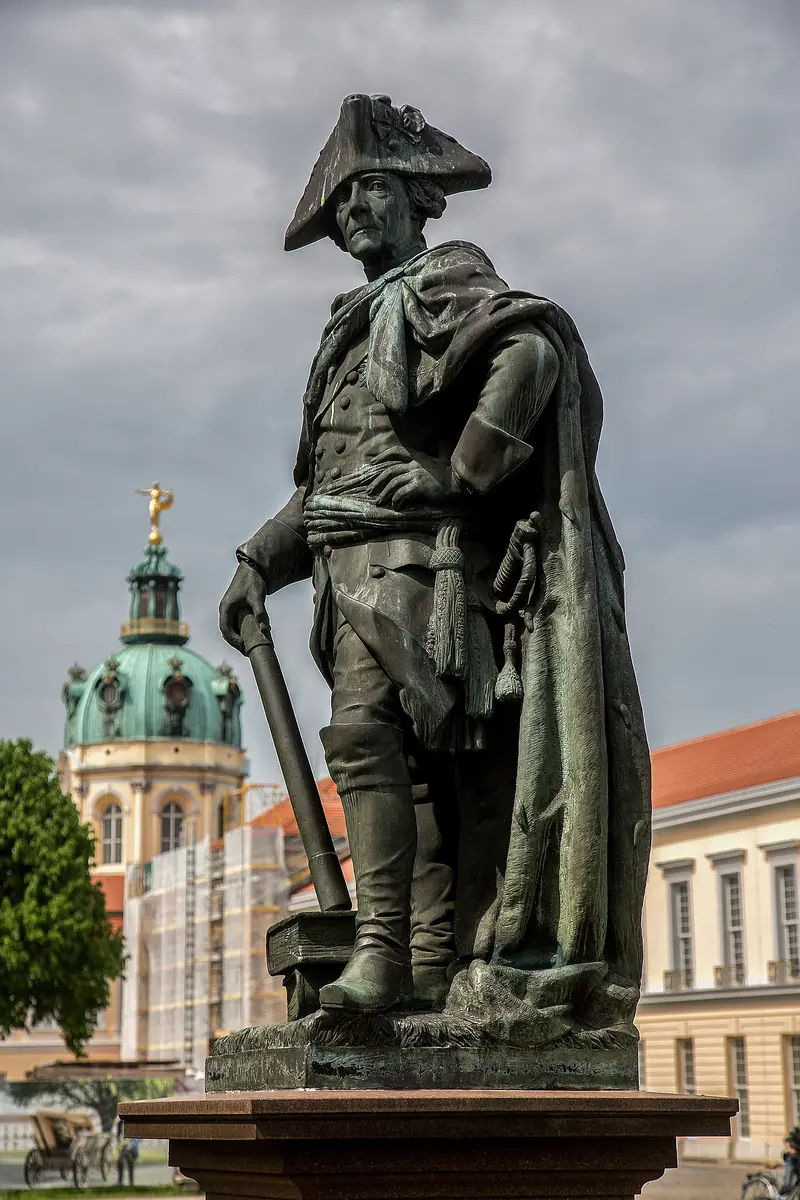
The Frederick the Great Memorial is thoughtfully designed to reflect the grandeur associated with its subject. The statue prominently features Frederick II, portrayed in military regalia, which underscores his role as a leader and strategist. The craftsmanship of the statue showcases the attention to detail typical of the period, making it a remarkable piece of art in its own right.
Surrounding the statue, the grounds of Charlottenburg Palace enhance the overall experience. The baroque style of the palace contrasts with the memorial, creating a harmonious visual narrative that draws connections between the monarch and his architectural legacy. Visitors can appreciate not only the statue but also the gardens and pathways that frame it, providing an inviting atmosphere for contemplation.
The positioning of the memorial within the palace grounds allows for a unique interaction with the surrounding environment. As you approach the monument, you are enveloped by the beauty of the gardens, which serve as a fitting backdrop for such an important figure in history. The combination of the statue and the architectural elements of the palace creates a cohesive and engaging experience for all who visit.
Visiting Information
Charlottenburg Palace is accessible via various forms of transportation, including public transit options. Visitors can easily reach the palace using Berlin’s efficient U-Bahn and S-Bahn systems. Once at the palace, the Frederick the Great Memorial is located within the expansive palace grounds, making it a straightforward addition to your itinerary.
When planning your visit, it is advisable to check the official website for current information regarding opening hours and potential entry fees. Exploring the memorial can typically be done in conjunction with a broader visit to the palace and its gardens, which can take a few hours to fully enjoy.
To enhance your experience, consider visiting during weekdays or early in the morning, as these times tend to attract fewer crowds. The gardens and the memorial provide a serene environment, making it easier to engage with the history and significance of the site.
Nearby Attractions
Charlottenburg Palace is surrounded by a range of attractions that can enrich your visit. Here are a few noteworthy places to consider exploring:
Charlottenburg Palace Gardens: The beautifully landscaped gardens adjacent to the palace provide a tranquil setting for leisurely strolls and picturesque views.
Museum of Prehistory and Early History: Located within the palace complex, this museum showcases artifacts from various historical periods, adding depth to your understanding of the region’s past.
The Belvedere: This small palace situated within the gardens offers stunning views and is a charming spot to relax after your visit to the main palace.
The New Pavilion: Also in the gardens, this building features exquisite architecture and serves as a delightful complement to the main palace.
Sophie-Charlotte-Allee: Just a short walk from the palace, this street is lined with shops and cafes, providing a perfect opportunity to enjoy local cuisine and culture.
Insider Tips
For photography enthusiasts, the Frederick the Great Memorial presents ample opportunities for capturing striking images. Early morning or late afternoon light can enhance the statue’s details and the surrounding gardens. Be mindful of the position of the sun when planning your shots, as this can significantly impact the quality of your photos.
To avoid larger crowds, consider visiting during weekdays or when the palace first opens. This can provide a more peaceful experience, allowing you to appreciate the memorial without the hustle and bustle of larger groups.
Practical Information
When visiting the Frederick the Great Memorial, it’s advisable to bring comfortable walking shoes, as the palace grounds can be extensive. Additionally, consider packing a water bottle and a light snack, especially if you plan to spend several hours exploring the area.
Seasonal considerations are also important. Spring and summer months offer vibrant blooms in the gardens, while autumn brings stunning foliage. Winter, though colder, can provide a unique atmosphere if you enjoy the quieter, more reflective aspects of the memorial and palace.
Frequently Asked Questions
How long should I spend visiting?
A visit to the Frederick the Great Memorial can typically be completed in about an hour, but if you plan to explore Charlottenburg Palace and its gardens, consider allocating at least two to three hours for a more comprehensive experience.
Is photography allowed?
Yes, photography is generally permitted in the area surrounding the memorial. However, it is always good to check for any specific restrictions on signage around the site.
Are there guided tours?
While specific guided tours focusing solely on the Frederick the Great Memorial may not be available, guided tours of Charlottenburg Palace often include discussions about the memorial and its historical significance.
What’s the best time to visit?
The best times to visit are during weekdays or in the early morning to avoid larger crowds. Spring and summer offer the added benefit of blooming gardens.
Is it wheelchair accessible?
Charlottenburg Palace and its grounds are generally designed to be accessible, but it is advisable to check the official website for specific accessibility options and any potential limitations.
Can I buy tickets online?
Check the official website for information regarding ticket purchases. Online ticketing may be available for the palace and its exhibitions.
Are there restrooms and cafes?
Yes, facilities are available within the palace grounds. Visitors can find restrooms and cafes to enjoy refreshments during their visit.
What should I wear?
Comfortable clothing and shoes are recommended, particularly if you plan to explore the gardens and grounds. Layering is also advisable, as temperatures can vary throughout the day.
Photo Gallery