
Francke Foundations
Overview
The Francke Foundations, located in Halle (Saale), Germany, is an intriguing museum that showcases a unique blend of education, culture, and history. Founded on the principles of philanthropy and education, this institution has evolved into a significant cultural hub over the years. Its origins trace back to the vision of August Hermann Francke, who sought to promote education and social welfare in the early 18th century. Today, the site stands as a monument to his ideals, offering visitors an insight into the past while fostering an appreciation for continued learning and community engagement.
Situated in the eastern part of Germany, Halle (Saale) is a city rich in history and culture. The Francke Foundations contribute to this narrative, not only through its exhibits but also by hosting various events and activities that engage the local population and visitors alike. The museum draws in those interested in education, social history, and the evolution of philanthropic efforts, making it a worthwhile stop for a diverse audience. Visitors can expect to immerse themselves in a space that reflects the ethos of enlightenment and community service, promising a thought-provoking experience.
History and Significance
The Francke Foundations were established by August Hermann Francke, a theologian and educational reformer who was deeply invested in the welfare of children and the poor. His commitment to creating a better society through education led him to found various institutions aimed at providing support and learning opportunities for the less fortunate. The foundations served as a model for educational and social reform in the region, influencing similar initiatives across Germany and beyond.
The significance of the Francke Foundations extends beyond their initial educational purposes. They played a crucial role in shaping the landscape of social welfare in the 18th century. Francke’s innovative approaches to education, which included practical training and moral instruction, laid the groundwork for modern educational practices. The foundations also became a center for research and development in pedagogy, contributing to the broader discourse on education during that period.
Over the centuries, the Francke Foundations have adapted to the changing needs of society, continuously evolving their programs and outreach. Today, they remain committed to Francke’s vision, offering a range of educational programs, workshops, and exhibitions that highlight the importance of social responsibility and community engagement. The museum’s focus on educational reform and social welfare resonates with contemporary audiences, making it an important site for those interested in the evolution of these concepts.
Architecture and Features
The architectural layout of the Francke Foundations is a blend of historical and functional design, reflecting the purpose and vision of its founder. The complex includes various buildings, each serving a distinct role in the foundations’ mission. The structures are characterized by their traditional German architectural style, with elements that date back to the time of Francke’s establishment of the foundations.
Notable features of the Francke Foundations include the main building, which houses the museum’s exhibits and educational programs. The interior spaces are designed to facilitate learning and interaction, with rooms dedicated to exhibitions that showcase the history and achievements of the foundations. The architecture also includes gardens and outdoor areas that provide a serene environment for reflection and community gatherings.
A visit to the Francke Foundations allows guests to appreciate not only the historical significance of the site but also the thoughtful design that supports its ongoing mission. The layout promotes accessibility and engagement, making it easy for visitors to navigate and explore the various offerings available.
Visiting Information
For those planning a visit to the Francke Foundations, it is advisable to check the official website for current information regarding hours of operation and ticket prices. The museum typically offers a range of exhibitions that highlight different aspects of its history and mission, ensuring that there is always something new to discover.
The museum is accessible by public transport, making it convenient for visitors to reach. Whether traveling by bus or train, getting to the Francke Foundations from various points in Halle (Saale) is relatively straightforward. Upon arrival, guests can expect a welcoming environment, with knowledgeable staff available to assist with any inquiries.
Visitors should allocate a few hours for their experience, allowing time to engage with the exhibits and participate in any scheduled activities or workshops. The museum often hosts special events that may also enhance the visit, so checking the calendar in advance is recommended. The best times to visit are typically during weekdays or outside of peak tourist seasons, when the museum is less crowded, allowing for a more intimate exploration of the exhibits.
Nearby Attractions
Market Square (Marktplatz): A short distance away, the Market Square is the heart of Halle, surrounded by stunning historical buildings and lively cafés. It’s an excellent place to experience local culture and cuisine.
St. Mary’s Church (Marktkirche Sankt Marien): This impressive Gothic church is a must-visit for its stunning architecture and historical significance. It features beautiful stained glass windows and a rich musical heritage.
Halle State Museum of Prehistory: This museum offers fascinating insights into the prehistoric era, showcasing artifacts from the region. It complements the educational focus of the Francke Foundations with its own unique historical perspective.
Giebichenstein Castle: Located on a hill overlooking the Saale River, this medieval castle provides a picturesque setting and panoramic views of the area, along with insights into the region’s history.
Halle Botanical Garden: A peaceful retreat filled with diverse plant species, the botanical garden is an ideal spot for visitors looking to relax and enjoy nature after exploring the museum.
Insider Tips
To make the most of your visit to the Francke Foundations, consider visiting during off-peak hours, such as early in the morning or later in the afternoon on weekdays. This can enhance your experience, allowing for a quieter exploration of the exhibits.
For photography enthusiasts, be sure to check the museum’s policy on photography within the exhibits. Capturing the architectural beauty of the buildings and the surrounding gardens can yield stunning images, so keep your camera handy.
Engaging with the staff can also enrich your visit. They often have valuable insights and can provide additional context about the exhibits and the history of the foundations, enhancing your understanding of this important cultural site.
Practical Information
When visiting the Francke Foundations, it is advisable to wear comfortable shoes, as you will likely spend a fair amount of time walking through the museum and its gardens. Depending on the season, dressing in layers is recommended, as the indoor climate may differ from outdoor conditions.
Bringing a bottle of water and a light snack can be beneficial, especially if you plan to spend several hours exploring. While there may be dining options nearby, having refreshments on hand allows for a more leisurely experience without the need to rush.
For those visiting during the summer months, consider that the gardens may host various events or activities, so checking the schedule ahead of time can provide additional opportunities for engagement during your visit.
Frequently Asked Questions
How long should I spend visiting?
A visit typically takes around 2-4 hours, allowing ample time to explore exhibits and participate in activities.
Is photography allowed?
Photography policies may vary; check with museum staff for specific guidelines regarding photography within the exhibits.
Are there guided tours?
Guided tours may be available; check the official website for current offerings and schedules.
What’s the best time to visit?
Weekdays and non-peak tourist seasons are ideal for a quieter experience.
Is it wheelchair accessible?
The museum aims to be accessible; however, confirm specific accessibility features on the official website.
Can I buy tickets online?
Check the official website for information on ticket purchasing options, including online availability.
Are there restrooms and cafes?
Facilities are available on-site; check the official website for specific details regarding amenities.
What should I wear?
Comfortable shoes are recommended, and dress in layers to accommodate varying indoor and outdoor temperatures.
More in Brandenburg
Agnetenkloster
📍 Brandenburg, Germany
Agnetenkloster, a former monastery located in the heart of Magdeburg, Germany, invites visitors to explore its serene ambiance and historical …

Agroneum
📍 Brandenburg, Germany
Agroneum is a museum located in the serene landscape of Alt Schwerin, Germany. This establishment serves as a vibrant hub for those interested in the …

Alexander Nevsky Memorial Church
📍 Brandenburg, Germany
The Alexander Nevsky Memorial Church in Potsdam, Germany, offers visitors a unique glimpse into the city’s cultural and religious heritage. This …
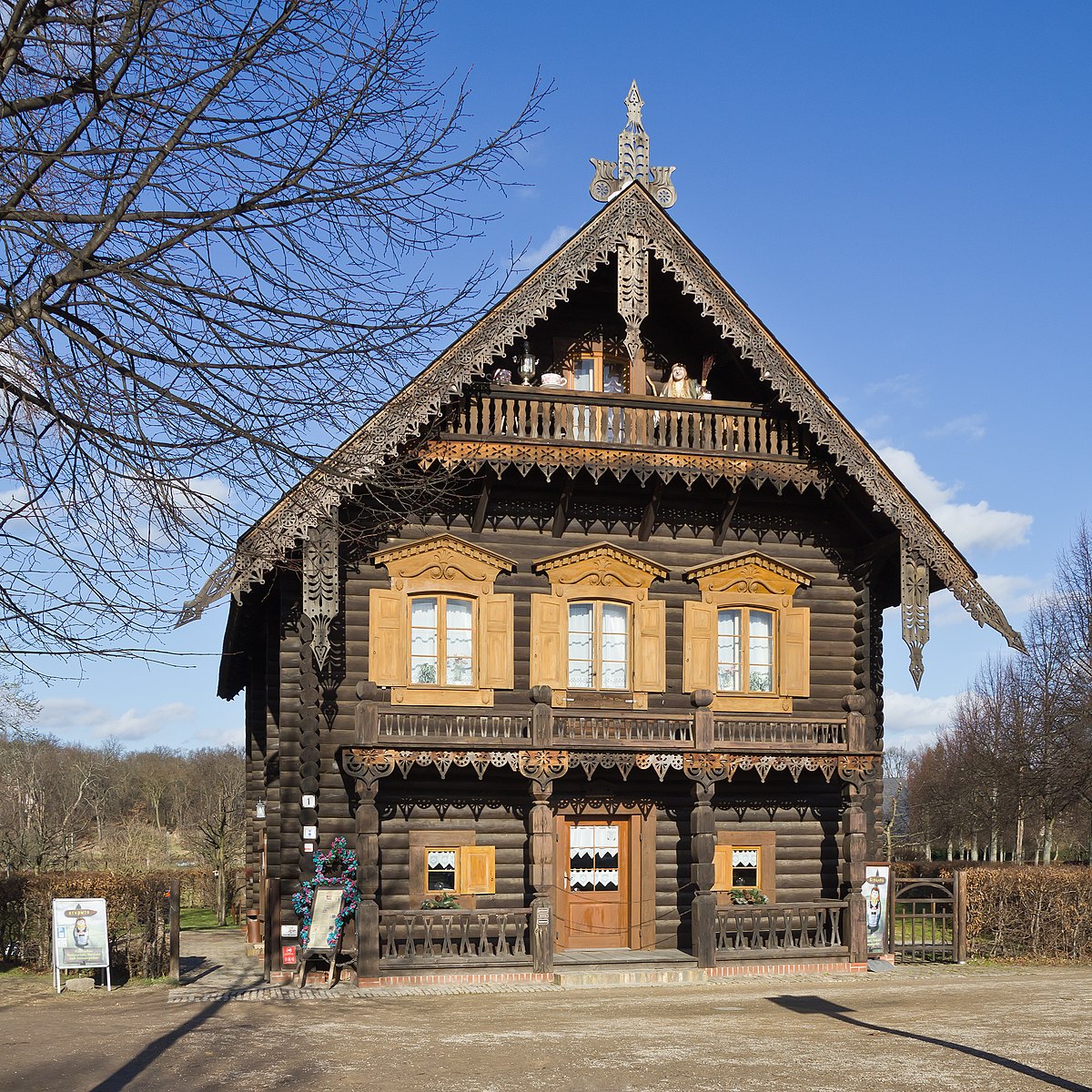
Alexandrowka
📍 Brandenburg, Germany
Located in the picturesque city of Potsdam, Germany, Alexandrowka is an intriguing architectural ensemble that reflects a unique blend of Russian and …

Alte Burg Penzlin
📍 Brandenburg, Germany
Alte Burg Penzlin, a captivating castle located in the quaint town of Penzlin, Germany, serves as a remarkable example of medieval architecture and …

Alte Dorfkirche Röxe
📍 Brandenburg, Germany
The Alte Dorfkirche Röxe stands as a poignant symbol of architectural and cultural history in the Stendal region of Germany. This church building, …
More Museums

Abbey and Altenmünster of Lorsch
📍 Baden-Württemberg, Germany
The Abbey and Altenmünster of Lorsch is a UNESCO World Heritage site located in the charming town of Lorsch, Germany. This significant cultural …
Abenteuermuseum
📍 Rhineland-Palatinate, Germany
The Abenteuermuseum, located in Germany, invites visitors to explore the wonders of adventure through its unique exhibits and engaging experiences. …

Abwasser- und Sielmuseum
📍 Hamburg, Germany
The Abwasser- und Sielmuseum, located in the heart of Hamburg-Mitte, offers a unique glimpse into the city’s historical infrastructure concerning …

Academy of Arts, Berlin
📍 Berlin, Germany
The Academy of Arts in Berlin is not just a museum; it is a prominent national institution dedicated to the advancement of the arts in Germany. …

Ackerbürgermuseum Haus Leck
📍 Hesse, Germany
Ackerbürgermuseum Haus Leck is a culturally significant museum located in Germany’s Grebenstein region, dedicated to preserving and showcasing the …

Active Museum Spiegelgasse
📍 Hesse, Germany
Active Museum Spiegelgasse is a vital institution dedicated to preserving and exploring the German-Jewish history of Wiesbaden, Germany. Located in …